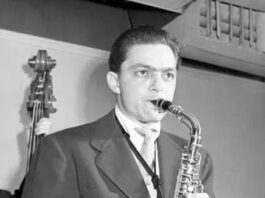
Bill Haley didn’t just touch rock and roll. He helped build the foundation. Born William John Clifton in 1925 in Highland Park, Michigan, he was the architect of a sound that would shatter the post-war status quo. By the time he died in Harlingen, Texas, in 1981, his name was synonymous with the genre’s explosive arrival.
Before the fame, there was the grind. Haley worked as a disc jockey in the late 1940s. He cut his teeth singing and playing guitar for various country music bands. It wasn’t glamorous. It was raw, live performance. He eventually formed his own group, the Saddlemen. But the sound was shifting. Country was bleeding into rhythm and blues. The youth were hungry for something louder, faster, and more dangerous.
Haley listened. He adapted.
He renamed the group Bill Haley and His Comets. The change wasn’t just cosmetic. It signaled a fusion of white country twang with Black rhythm and blues. This alchemy produced some of rock’s earliest hits.
The Tracks That Defined a Decade
Two songs stand out in his discography. They are the pillars of early rock history.
“Shake Rattle and Roll” dropped in 1954. It was a cover, but Haley’s version brought a driving piano beat and a swagger that felt new. It was energetic. It was undeniable.
Then came “Rock Around the Clock” in 1955.
This track changed everything. It wasn’t just a hit. It was a cultural detonation. Used prominently in the film Blackboard Jungle, it introduced rock and roll to a massive, global audience. Young people danced to it. Older generations were horrified. The generation gap widened overnight. Haley was at the center of the storm.
From Pioneer to Nostalgia Act
Success, however, is a fleeting companion in rock and roll. As new voices emerged in the late 1950s and 1960s, Haley’s style began to feel dated. The raw edge he pioneered was now the standard. He struggled to stay relevant in an industry that devoured its own.
But he didn’t disappear. He kept touring.
Into the 1970s, Haley performed as a nostalgia act. Fans still came to hear the sounds of their youth. He played the hits. He wore the suit. He smiled for the cameras. It was a different life from the high-octane days of the mid-50s, but it was a living. He remained a key figure in rock history, a pioneer who showed the world how to shake, roll, and clock out.
He died in 1981. The music, however, kept ticking over.