


Gaspar Noe knows how to make headlines. The director has spent his career pushing boundaries, but his 2018 dance-horror Climax moved at a pace most directors could only dream of. Learn the facts behind this intense cinematic experience. Here’s what you really need to know about this movie that’s going to make audiences swoon.
The clock is ticking
The entire production has one goal: to get to the Cannes Film Festival. Noe hopes the film will appear on the red carpet. This deadline forces production schedules that most studios dread.
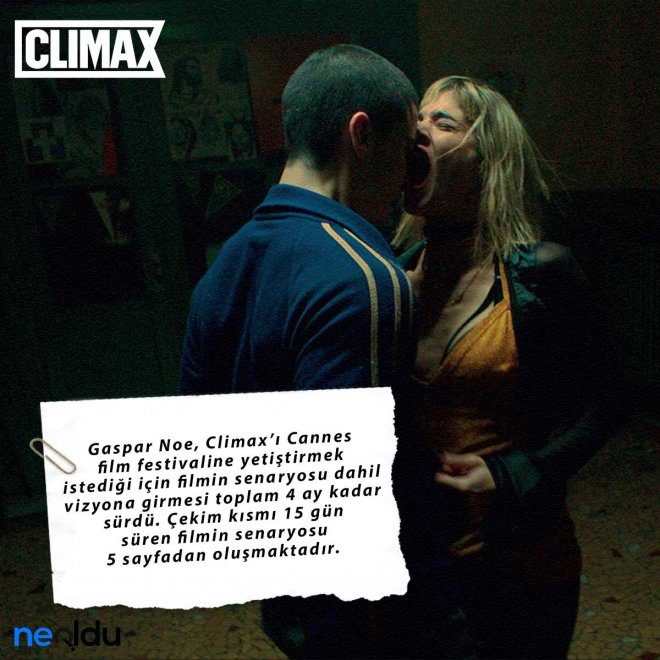
The whole process from script to screen took about four months. It’s not just rapid fire. The preparations were intense. The pressure is real.
Manuscript written on a napkin
You won’t find a 100-page script for this. The written mess instructions are only 5 pages long. 5 pages. that’s it.
Noé did not write traditional dialogue scenes. He wrote the situation. He sets the stage. He gives the dancers a framework in which to improvise. The script provides the structure, while the text provides the content.
15 days of chaos
The actual shooting schedule was exhausting. Noé and his team only had 15 days to shoot the film. Think about it. 2 weeks.
This time frame is not just an option. This is necessary. The actors, many of whom are professional dancers, were on mescaline throughout the shoot. You can’t pretend to be that high for months on end. This is too dangerous. It’s so unpredictable. Shooting within the compression window preserves the raw, unfiltered energy.
The result is a documentary that feels more like a meltdown than a show.
Why is it important?
Most people ask about the plot. The plot is simple. The dance group gathers for a party. Someone poured sangria. The party turns into a nightmare.
But how makes Climax unique. I haven’t polished it. This is not safe. This is a sprint.
Noe didn’t have time for many occasions. The dancers continue their journey even when they stumble. The camera stays still even if it shakes a lot. The film captures a sense of bewilderment that is deliberately disorienting and intoxicating in its production.
A five-page script does not hold the film together. Despair is bound to happen. There is a deadline. Mescaline did that for me.
When I watch “Climax” I feel that the time is approaching. You can tell by looking at his shaking hands. You can hear it from your panic disorder. This is not just a horror movie. It’s a battle against the holiday calendar.
The dance choreography is not perfect. They were choreographed to exhaustion.
Is it effective? Yes. But that’s only because they have no choice.

Why The actors are almost entirely new
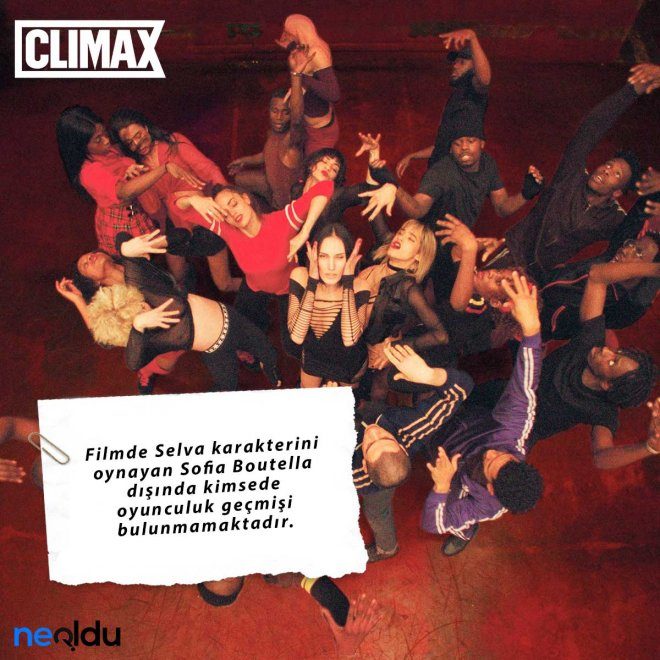
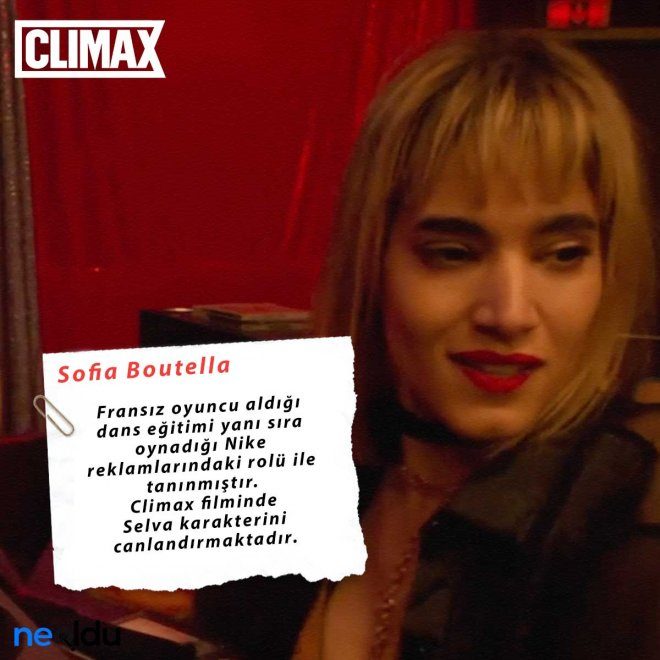
Sofia Boutella is not the only one bearing the burden. In fact, he’s probably the most recognizable face among actors with almost zero acting experience. Almost no one has ever had a camera on screen.
Butera learned his rhythm. She considers herself a successful dancer. But even with that background, he’s still worried. Is this role perfect for her? Does he seem to make the necessary movements naturally? He didn’t have to worry for long. Director Jordan Peele made sure the cast was safe. He encouraged improvisation. This freedom changes everything.
The script itself played a big role in its depiction. The story takes place in the 1990s. The atmosphere should be appropriate for the era. Therefore, the latest devices are not readily available. The technology they use is limited. They wanted a rough, vintage feel. We’re not talking about high-end tools. It’s just the right time.
“Peele made the Actors feel safe and encouraged improvisation.”
This approach meant that the Actors had to dig deep. They rely more on instinct than technology. Butera’s dancing skills came in handy. What about the others? They have to learn on the fly. As a result, it doesn’t look like an elaborate Hollywood movie. It feels very raw. Genuine. It’s like watching what really happened in the basement in 1994.
Aesthetic restrictions of the 1990s
Why is time so important? Because it defines the visual language. The film eschews modern CGI techniques. We focused on making the effects as practical as possible. This is more than just a style choice. This is a narrative article. This story is about memory. Of what’s left.
The limits of technology force creativity. We didn’t have fast cameras or sophisticated lighting, so we had to make do with what we had. The dancers moved in harsh light. The shadow is deep. Create a claustrophobic atmosphere. Perfect for excitement.
When filming began, Butera’s fears disappeared. He trusts the process. Others did the same. There were no hours of practice. Just a little hint. go. Let’s see what happens. If it doesn’t feel right, try again. If it feels right, keep scrolling.
This approach is not common for large publications. This is dangerous. But it was worth it. Acting is not hard. They are reactive. I understand the fear. pleasure. panic. Everything is real-time.
Connecting the past and the present
The 90s setting is more than just a backdrop; This is the role. music. clothing. The way people talk. All of this sets the stage for horror. The supernatural elements feel more intrusive when they are at odds with the mundane realities of the time.
Butera is able to bridge this gap thanks to her dance background. He understands the body. Others have to adapt too. But Peele’s direction smoothed the line. He didn’t freeze them. He told them to go on. literally.
So why is this important now? Because audiences are tired of flashy, safe movie theaters. They want an edge. They want it to be authentic. This movie conveys that. It’s not about the stars. But relying on new faces. And make them messy. We are people. fear.
result? A film like a time capsule. But also
When coaching becomes psychological warfare
Gaspard Noé’s performance on set was not only exciting, but also avant-garde. they are aggressive. The Argentinian-French director does not rely on traditional acting guidelines to push his performers beyond the limits. Instead, he turned to the darkest corners of the Internet.
Causes of extreme emotions
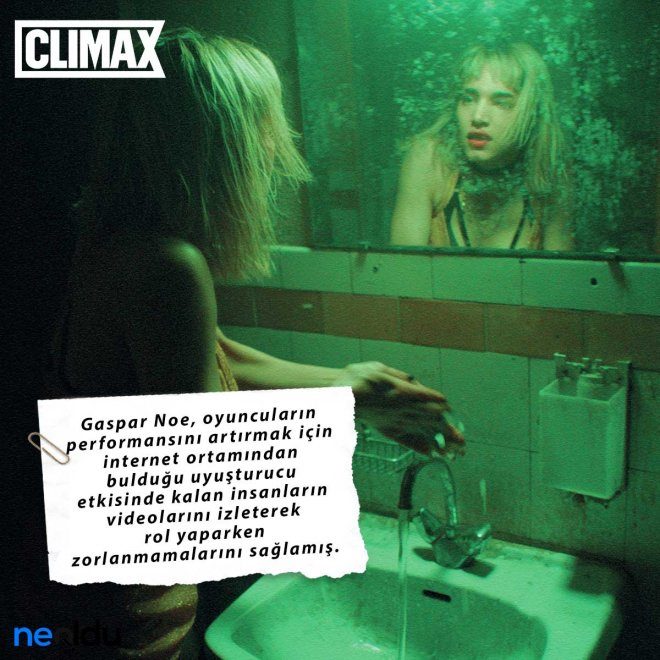
According to authorities, Noe collected videos of drug abusers from online platforms. And he forced the Actors to watch these recordings. This goal comes from the heart. He wanted his actors to be able to embrace the intoxication of raw, unfiltered chaos.
“It’s not imitation. It’s the internalization of a certain dissociative state.”
Defending unreasonable things
Why show them this? Noe used these clips to break down barriers in his career. By exposing the Actors to the ugly reality of drug abuse, they were able to fully immerse themselves in their characters. The logic is simple. If you want to portray a loss of control, you have to confront the source material head on.
Crossing the moral line
This approach blurs the line between control and manipulation. The result was an exciting and disturbing performance, but questions quickly arose about consent and psychological safety on set. Critics argue that using real-life trauma for artistic effect is offensive, regardless of the quality of the final film.
Technology’s Controversial Legacy
Noé’s filmography is characterized by shocking tactics. This technique underscores his belief that the real enemy of cinema is comfort. Whether this will be a masterpiece or exploitation is still hotly debated among film scholars and audiences alike. The show may be memorable, but what about the cost? This is yet to be discussed.
Silent hints in the background
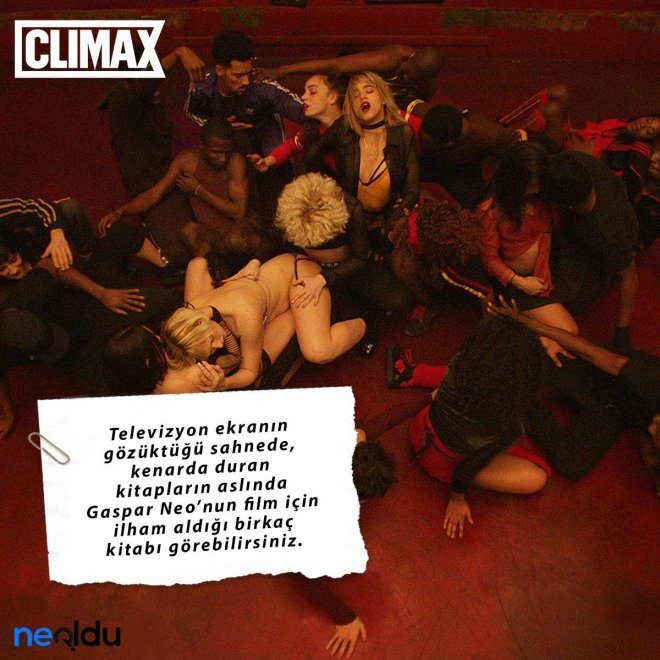
Take a closer look at the books on the bookshelf. It’s not just about set dressing. For those paying attention, that’s an easter egg.
In the scenes visible from the television screen, secrets are hidden in volumes stacked near the edges of the screen. They referred directly to the ideas of Gaspar Neo.
The director did not choose the title arbitrarily. He got inspiration from the book for the film’s darker, more surreal tone.
These props have been carefully selected to honor certain cinematic ancestors.
You can see tributes to legends like Luis Buñuel. There’s also a tribute to Dario Argento. None of this is a coincidence. Those are deliberate tributes.
Neo wants viewers to feel the weight of those influences. These books provide a silent bridge between the screen and the history and avant-garde cinema.
This is a small note. Most viewers missed it entirely. However, for those who catch it, a connection is made.
This film becomes a dialogue with the past. Through paper and ink On a shelf.
Why are these writers important?
Buñuel and Argento represent two very specific types of madness. One is psychological. The other is visceral.
Neo is a mix of both. The books on the bookshelf refer to this duality.
Why include them? Reward those who get hooked. It shows that this movie respects its roots.
This has nothing to do with disrespect. It’s about lineage.
The visual language of inspiration
Gaspar Neo often uses space to tell a story. The mess in the room is as much as the dialogue.
The clutter is intellectual. It’s curated.
Each spine tells something about the protagonist’s mind. Or maybe it’s a director’s.
There is no mention of these in the press release. You don’t see them in interviews.
They hide in plain sight. On a shelf. Next to it is a glowing TV screen.
Catching the Details
The next time you watch, pause the wide shots.
Pay attention to the edges of the frame.
Look for the spines.
You may see some familiar names. Familiar style.
The way you look at the scene changes. Suddenly it becomes more than just a room. It’s a library of influences.
The film doesn’t just want to be seen. It wants to be understood.
By those who look.
Çoğu kişi La La Land ‘ın dans sahnelerinin tamamen doğal ve akışında olduğunu sanır. Yanılıyor.
Aslında sadece ilk sahne — Mia’nın (Emma Stone) stüdyoda şarkı söylediği o an — önceden planlanmış bir koreografiye dayanıyor. Onun dışındakiler farklı.
Yönetmen Damien Chazelle burada cesur bir adım atmış. Dansçılara tamamen özgürlük tanımış. “Ne yaparsanız yapın” demiş.
Bu karar filmin ruhunu değiştirmiş. İzleyiciye sanki gerçek bir parti veya sahne arkası havası veriyor.
Neden Doğaçlama Tercih Edildi?
Chazelle’ın amacı belirli bir dans stilini zorlamak değil, karakterlerin iç dünyasını yansıtmaktı. Bu yüzden kısıtlama getirmeden, oyuncuların kendi enerjilerini kullanmalarına izin verdi.
Emma Stone ve Ryan Gosling’in kimisiyle yaptıkları sahneler bu serbestliğin ürünü. Doğallık, mükemmeliyetten daha değerdi.
“Her şeyi doğaçlamaya bırakmak, filmin ruhunu yakalamak için gereken şeydi.” — Damien Chazelle
Sonuç olarak izlediğimiz o büyüleyici sahnelerin çoğu, senaryoda yazılı olmayan anlar. İlk istisna dışında.
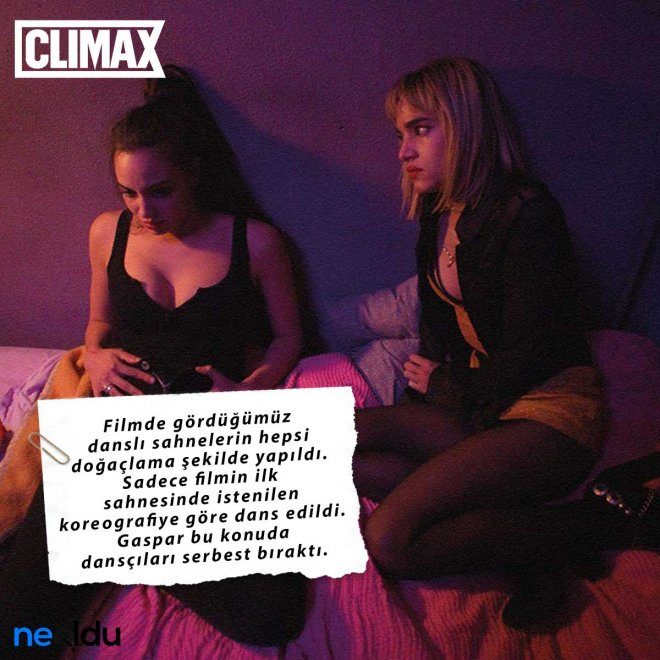
Why the Rolling Stones’ “Angie” Defined the End of the Movie
The decision to end the film with the Rolling Stones’ classic song “Angie” was not arbitrary. It wasn’t just about picking recognizable hits to fill the running time. Director Gaspar had very specific emotional requirements for the last moments. He needed a song that felt intimate. Familiar. Human.
“Gaspard wanted the final scene to be emotionally resonant and relatable.”
With its gentle guitar plucks and a melancholic melody, “Angie” offers just that. It grounded the film’s ending in a shared history. When listeners hear these opening chords, they immediately feel a connection. This nostalgia serves the story by softening whatever tension before the closing credits.
This is a delicate choice. You don’t need to know rock history to feel it. But for those who do, it adds quiet comfort. The music doesn’t scream. It whispers. This whisper is important in films that may deal with heavy or complex themes.
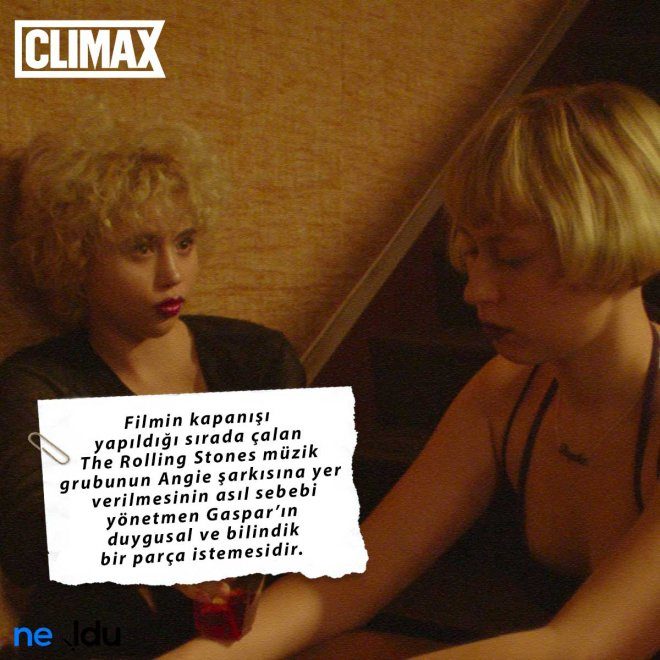
Genealogy of Claustrophobia: Origins of Climax DNA
Gaspar Noe didn’t pull Climax out of thin air. The film’s sensory overload has its roots. More specifically, it is based on three different movie pillars.
The first was the 1972 Poseidon Adventure.
Then came 1974’s *The Towering Inferno *.
Finally, there is David Cronenberg’s 1975 release, Shivers.
Why these three? share a common thread. Total entrapment. There’s nowhere to run. The outside world ceased to exist. It was chaos inside. Climax uses this concept as a weapon.
“The pressure cooker effect is nothing new. It’s a classic horror trope.”
Noe used this family history to trap actors. The dancers were confined to the school gym. The air gets thicker. LSD had a strong effect. Like heroes in old movies, they are cannot leave. They had to survive that night.
In particular, it is strongly related to Shivers. Cronenberg’s films deal with body horror and loss of control. Climax reflects this through psychological and physical breakdown. The choreography gets weird. camera spins. Reality fractures.
This is more than just a compliment. This is a conversation with the past. Noé knows these films. He respects their ability to leave an audience breathless. His purpose is the same, but with a modern psychedelic twist.
The result is a film that feels both familiar and yet completely foreign. You know the trap. You can’t see the exit. And the only way out is through.
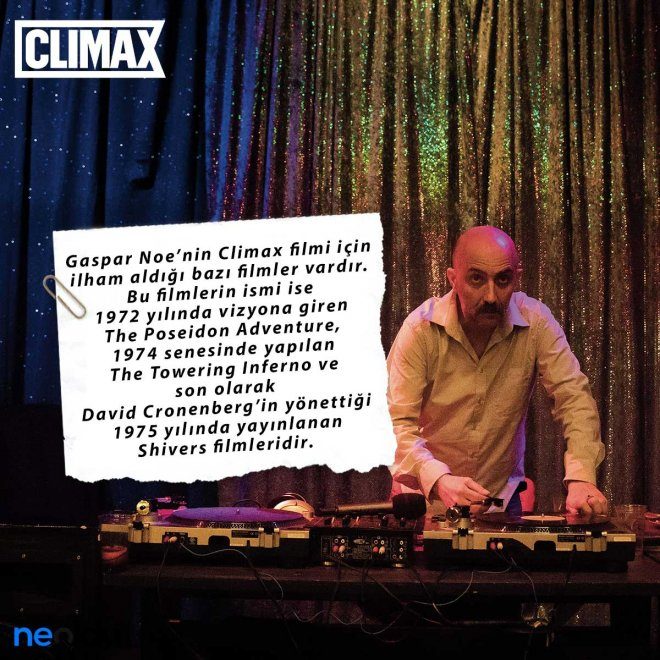
How Gaspar Noe forces performance: the illusion of losing control
Gaspar Noé’s films don’t just depict chaos; they manufacture it. The Hungarian-born director uses psychological traps on his actors to achieve the visceral, unsettling intensity that characterizes his work. He doesn’t want acting in the traditional sense. He wanted authentic disorientation.
Noé essentially instructed his actors to simulate being under the influence of drugs or alcohol, even if they were not clearly drunk in the narrative sense. The goal is to recreate the physical and mental deterioration of a person who has lost control.
“He wanted his actors to feel exactly the same effects as the audience.”
This approach blurs the line between performance and reality. If you watch Enter the Void or Inside, shaky camerawork and frenetic editing are only half of the equation. The other side is genuine confusion, fatigue or detachment on the part of the actor. Noé pushes his performers into a headspace, where the line between “playing a role” and “being in a dissociative state” disappears.
The result is a cinematic experience that feels more like experiencing a lucid dream gone wrong than watching a movie. The actors don’t pretend to be vulnerable or chaotic. They channel a certain neurological fog that comes from substance abuse and extreme stress. This is a risky maneuver. If it fails, it looks amateurish. When it works, it creates an almost uncomfortable.
This approach explains why his films often feel claustrophobic. The audience doesn’t just observing the characters’ descent. They also cannot help but feel a similar lack of agency. Noe does not direct the scenes. he directs states of mind. In doing so, he makes the viewer complicit in the unraveling.
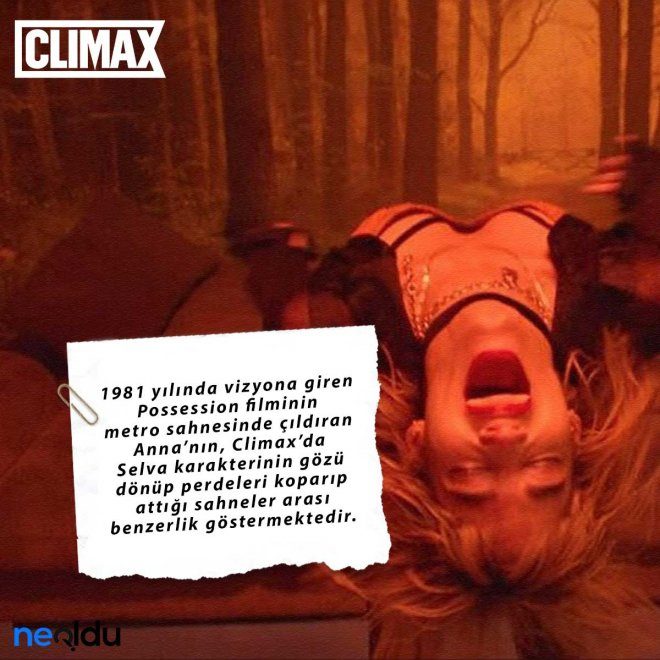
André Téchiné’nin Climax filmi izleyicilerinde o şok edici, kontrolsüz dans sahnesiyle kalplere kazınmış durumda. Ancak bu sadece bir modern klasik değil. Aynı zamanda sinema tarihinin en rahatsız edici anlarına yapılan açık bir selam niteliğinde. Özellikle 1981 yapımı Possession filmindeki ikonik metro sahnesiyle kurulan paralellik, sadece bir tesadüf değil. Sanki Guðmundur Arnar Guðmundsson, yıllar öncesinin dehşetini yeniden canlandırmak için sahneleri kurguladı.
Metro dehşeti ve modern kaos
Anders Thomas Jensen’in Possession ındaki Anna karakteri, metrodaki çııngıraklı, sinir bozucu monologuyla hatırlanır. O sahne, gittikçe artan panik ve fiziksel tepkilerle zirveye ulaşır. İzleyici, karakterin gerçeklikle kopuşunu izlerken bir tür acı çekme zevki (schadenfreude) yaşar.
Climax ’da ise durum daha da körüklenir. Selva’nın gözlerinin dönmesi, perdelerin koparılıp atılması… Bu görüntüler, Possession ’daki o tükenmişlik halini hatırlatıyor. İkisinde de ortak nokta, toplumsal maskelerin aniden düşmesi. Possession ’da metro içinde hapsolmuş bir kadın. Climax ’ta sınırlı bir odada, uyuşturucunun etkisi altında dans eden bir grup. Her ikisi de “ben” olmanın bedelini öder.
Benzerlikler sadece görselde mi?
Hayır. Olay örgüsü ve psikolojik çöküş açısından da benzerlikler var. Her iki filmde de kahramanımız (veya anti-kahramanımız), kendi zihinlerinin esiri olur. Possession ’da Anna, dış dünyadan kaçmak için değil, iç dünyasındaki fırtınayı dışa vurmak için patlar. Climax ’ta Selva ve diğerleri ise müziğin ritmiyle birlikte kontrolü tamamen kaybederler. Perdelerin koparılması, bu içsel kaosun fiziksel bir yansıması.
Neden bu benzerlik önemli?
Bu paralellik, sinemanın döngüsel doğasını gösterir. Yeni nesil yönetmenler, geçmişin en iyi (ve en kötü) karanlık yönlerinden beslenir. Possession ’ın 1981’deki o karanlık, psikolojik gerilimi, Climax ’ın daha modern, daha hızlı tempolu kaosunda yeniden hayat buluyor. İzleyici olarak bu bağlantıyı fark etmek, her iki filmi de daha derinlemesine anlamamızı sağlıyor.
Climax ’ın o unutulmaz sahnesini izlerken, 1981’in Possession ’ındaki o huzursuz
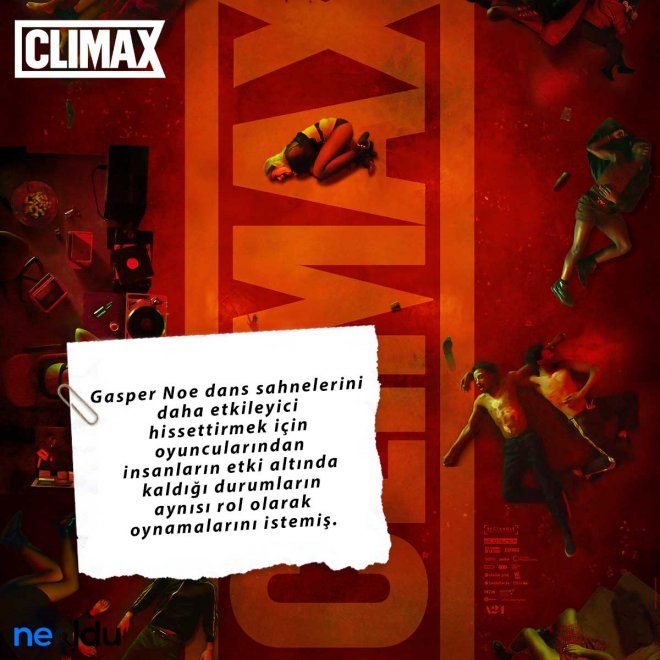
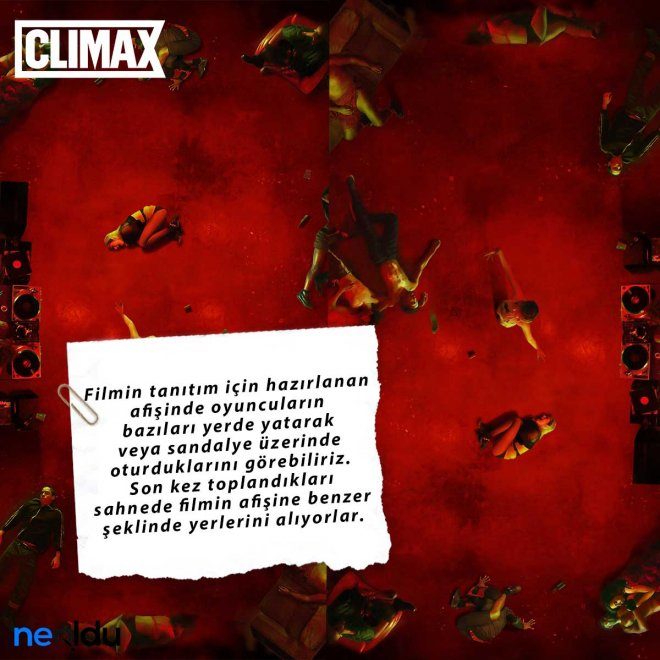
There is one particular moment in this film that deserves praise from discerning viewers. It happens just before the end credits roll as the Cast finally gathers. The characters are placed on the screen according to the official poster of the movie.
Some were lying on the ground. The others are sitting on chairs. The composition is well thought out. The director wanted more than just a group photo. They wanted to recreate the promotional art.
It’s a nod to the marketing team. Or maybe it’s just a fun easter egg for fans who bought the DVD. In any case, the fact that the actors return to their static positions adds a layer of metacommentary to the finale. You can see them placed where originally there was just paint and pixels.
How the final scene mirrors the movie poster
This visual callback acts as a silent punctuation mark. It connects the narrative arc with the commercial identity. Actors no longer fight or run. They are posing.
The contrast between the dynamic plot and the static final image is striking. This drama reminds us that everything is packaged for consumption. The poster promises action. The screen delivered it. And now, we get the punchline.
Why is this important? It acknowledges the artificiality of the film. It breaks the fourth wall without a word being spoken.
“The last scene is not just an ending, but a re-creation of the film’s identity.”
To the average viewer, this is just a strange ending. For anyone who has studied marketing materials, it’s a wink. The film knows it is a product. And it invites you to laugh about it one last time.
The image lingers. It’s not because of the plot resolution. But because of the recognition. We’ve seen this arrangement before. You bought the ticket. You watched the story. And now, you see the frame close.
It gives you a sense of completion, but it also a slight detachment. The characters are frozen in time. Same as the poster. Like the memory of the movie itself.
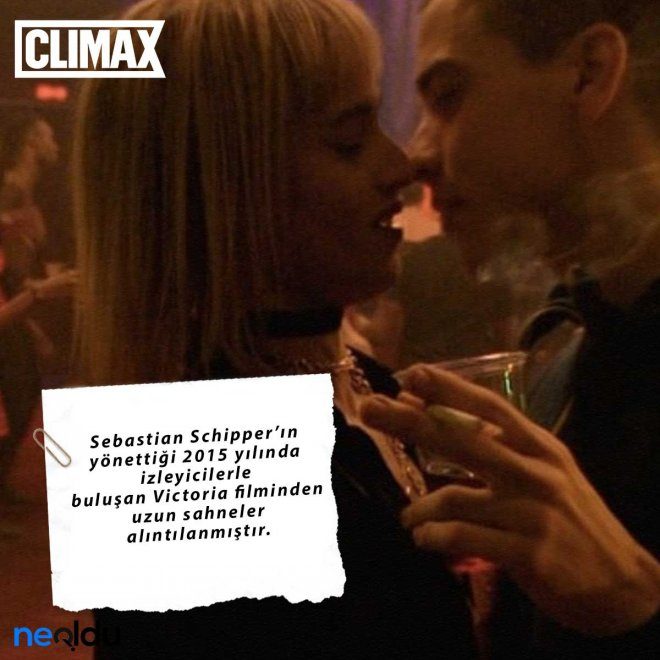
The legend behind Victoria and the Legend Behind Climax and climax
Sebastian Schipper’s 2015 debut film Victoria remains a technical marvel of modern cinema. The film is famous for its focus on a single, uninterrupted shot. Schipper didn’t just use this trick to emphasize his style. This technique creates a breathtaking, intense rhythm that draws the viewer into the main character’s descent. These extended sequences are not only long; They are masterclass in continuous blocking. You feel every second of the tension.
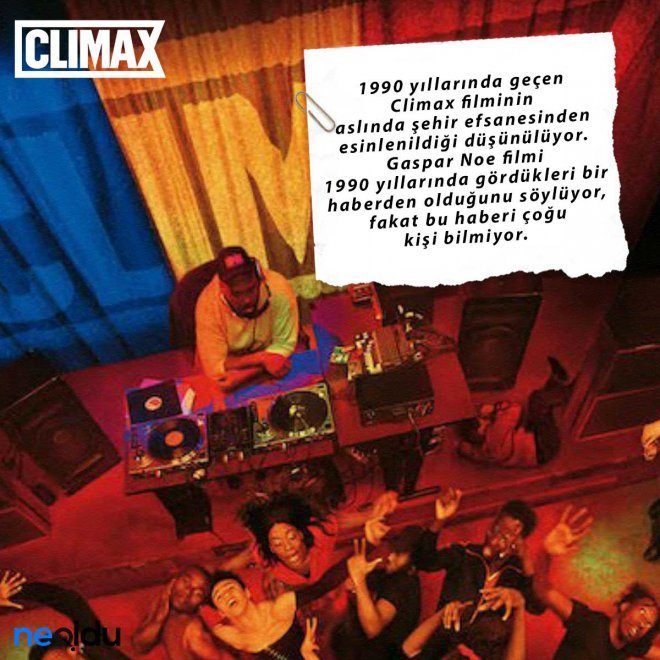
And then there is the Gaspar Noé’s Climax. This 1990s dance horror movie didn’t happen by chance. Noe claims the origin of the story lies in news reports he saw during that decade. Most people forget certain broadcasts. The origins of the film are shrouded in rumors, with many believing it was inspired by an urban legend rather than a specific headline.
Why is this distinction important? It changes the way you watch the film. Knowing that Noe is reacting to real-life events adds a layer of grim reality to the surreal chaos of the screen. Confusion about the source material only feeds the myth. Is this a tabloid? Documentary material? Noe left the details unclear.
This ambiguity works to the film’s advantage. It blurs the line between fiction and reported truth. The viewer is left wondering what was real. The lingering doubt makes the horror more potent. You can’t quite pin it down. And that uncertainty is exactly the point.
Kırmızı çoraplar. Limonata. Dans. Ve sonra, her şeyin kontrol dışına çıktığı o an. Gaspar Noé’nin Climax filmi, sinema tarihine geçen en tartışmalı deneyimlerden biri olmaya devam ediyor. Bazılarına göre sanat eseri. Bazılarına göre “boş boş anırmak”tan başka bir şey olmayan, amaçsız bir zaman kaybı. Gerçeklik nerede? İzleyici olarak senin beynin ne kadar dayanır?
Neden Bu Kadar Bölücü?
İnternet yorumları ikiye bölünmüş durumda. Sağdan soldan gelen tepkiler, filmin üzerine kurulan bu büyük tartışmanın nedenini netleştiriyor.
Bir taraf için film, “hayatımın en boş filmi” ve karakterler zayıf. Mert O.’nun dediği gibi: “Tamam cesursunuz ama bu film yapmak için yeterli mi?” Bu eleştiri, hikayenin eksikliğine ve motivasyonların bulanık olmasına dayanıyor. Film, sadece bir olay örgüsünden ibaret değil; bir durum çalışması. Ama durum çalışması, bazı izleyiciler için fazla soyut kalıyor.
Diğer tarafta ise Burak P.’nin notları var. “En zor teknik tek plan çekimidir,” diyor. Kesme yok. Hata payı sıfır. Risk müthiş. Yönetmen Gaspar Noé, bu riski alıp tüm filmi sadece birkaç plana sığdırmayı başarmış. Oyuncuların çoğu ilk kez kamera karşısında. Ve senaryo? Sadece beş sayfa. On beş günde çekilmiş. Kısa film standartlarında bir sürede, uzun metrajlık bir gerilim yaratmak… “Mucizevidir,” diyor eleştirmen. Peki bu mucize herkesi tatmin ediyor mu?
Nöbetçi Oyunlar ve Zihin Yorgunluğu
Filmin yapısını anlamak için bir “Noe filmi” olmak zorunda olduğunu kabul etmen gerekiyor. Işıklar. Şarkılar (bağırsın diye seçilmiş funk ve disco parçaları). Tonlama.
Barış S.’nin analizine göre, film ortasına kadar ilerleyen iki tek plan sahne ve bir röportaj tarzı geçiş, insanı yoruyor. Bilinçli bir tercih mi bu? Evet. Finaldeki o soluksuz, uzun tek plan sahne, başta yarattığınız karakter yorgunluğuyla birleşince tam bir gerilim patlaması yaratıyor. Finalde “Öf, yandı kafam” diyorsun. Neden? Çünkü film, baştan sona karakterlerin zihinsel çöküşüne zihnen yaklaştırmaya çalışıyor.
Karakter sayısının çokluğu bir eksi nokta olarak görülüyor. Kim kimi tanıyor? Kim ne yapıyor? Unutuyorsun. Bu da Noé’nin tarzıyla örtüşüyor. Keşmekeş ortasında kimin ne olduğunu unutuyoruz. Tıpkı bir nor oyunu gibi. Hayat gerçeklerini yüzümüze sert bir şekilde vuran bir deneyim bu. Irreversible veya Love filmlerindeki gibi… Ama daha hareketli. Daha müzikal. Daha tehlikeli.
Politik Mesajlar ve Gazap Noé’nin Dönüşü
Selin S., filmin farklı bir boyutunu vurguluyor: Gençlerin uyuşturucu bataklığına düşmesinin kötülükleri ve buna eklenen büyük politik mesajlar. Climax, sadece bir dans party’sinin karanlık yüzü değil; aynı zamanda toplumsal bir eleştiri. Gazap Noé’nin klasik rahatsız edici filmlerinden ziyade, bu sefer gençlik ve bağımlılık temalarını işliyor. Bu bağlamda, filmin bir metafor olarak nasıl çalıştığını anlamak, deneyimi derinleştiriyor.
Hayal Kırıklığı mı, Başka Düşünme Biçimi mi?
Aras A.’nın tepkisi ise daha kişisel. “Gasper Noé’nın
Sherian Break Star
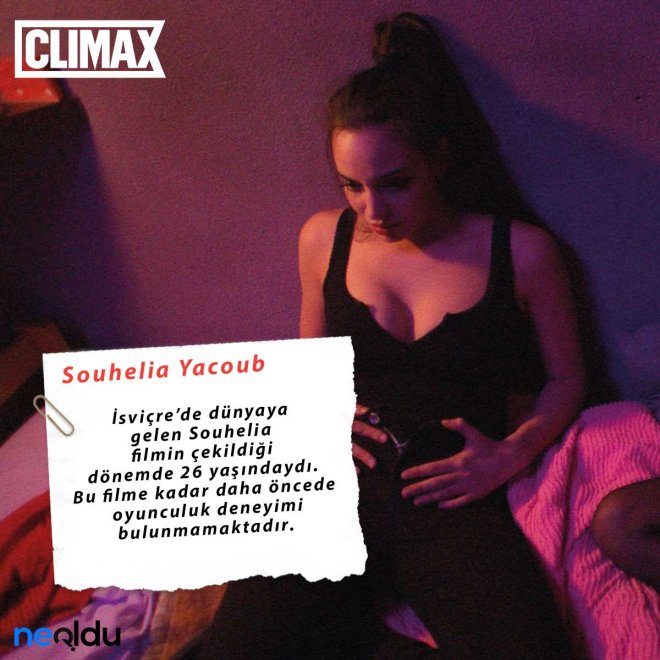
He was 26 when the cameras started rolling. Suhelia Yacob was born in Switzerland and had never worked professionally before this project. I don’t have a resume. No credits. Only him.
It’s unusual for a debutante to act in a film with no experience, but she pulled it off. It’s a role that demands everything from someone who hasn’t spent years learning her skills on the small screen or stage. He calmly stepped into the spotlight.
Why is it important?
Casting directors often hesitate for unknown reasons. But Souhelia isn’t looking for trained performers. They want it to be authentic. original. The kind of person you can’t imitate in an acting class.
His lack of background is not a drawback. That’s the point.
The effect of being new
For the first time, the actor takes center stage, the audience notices the difference. No polishing. There are no standard gestures. Just existing. For critics and fans, this gave his performance a sense of urgency. Genuine.
That’s why this film stands out in a genre full of familiar faces. Suheria Yacob It’s not just action. He lived the role.
The last act of the franchise giant
Although the case is still pending, the verdict is final.
Disney’s decision to stop telling Star Wars stories in the main timeline is more than just a cancellation. This is the tipping point. The market is inflated, suspicious and eerily indifferent to the usual spectacle of calculated retreat. Distant galaxies are quieter. Not dead. Just… in another place.
Why? Because the equation is broken.
For years, studios have relied on simple loops. A new trilogy. Spin-offs. streaming series. repeat. Spectators bought tickets. Or watched the series on Disney+. But recently the ROI has dropped significantly. It’s not because fans don’t care anymore. But the consideration they showed came with conditions. They want something new. They got The Bad Batch for the third time. They also have another prequel. They got nostalgia dressed up as new content.
it doesn’t work.
The numbers tell a grim story. The Rise of Skywalker did not do well. Solo was a box office bomb. The Mandalorian Season 2 saved the brand and proved that character-driven stories are still important. But what happens in Season 3? Critics have pointed out this fatigue. The pace slows down. The stakes felt lower. The fans noticed.
Lucasfilm is currently working to redefine the meaning of Star Wars beyond the Skywalker Saga. They do not give up their intellectual property. They reduce it. Focus on what works. It also requires less budget. Tighter narratives. It relies less on CGI-heavy space battles, which loses its impact on mobile screens.
This isn’t over yet. This is the fix.
The question is not whether Star Wars will survive. It all depends on whether the fans follow.
What’s next for Galaxy?
You may be wondering why now? Why does it suddenly break from the main timeline?
The answer lies in a change in culture. Generation Z and younger Millennials don’t buy traditional sequels with the same enthusiasm. They want diversity. They want a different perspective. They want stories that don’t feel like homework. Disney knows that. That’s why future projects require more diverse casting and storylines.
But here’s the problem.
Change is expensive. This is dangerous. For a studio that’s played it safe for a decade, risk is something it can’t afford. So they do what they do best: test the waters.
Andor is a classic example. The gritty political thriller takes place decades before the events of A New Hope. Jedi don’t exist. No lightsaber. Only spies and rebels. It was well received. This is very popular. This proves that “Star Wars” can succeed without the usual tropes.
So expect more of this.
There are also fewer movies. More series. In fact, this series has a beginning, middle, and end. No cliffhangers designed to sell the next season. It’s just a good story.
Review of the financial situation
Let’s talk about money. Because it drives those decisions.
Disney’s streaming service is losing money. The Star Wars package is considered a key differentiator. However, the growth of users has stopped. Churn is on the rise. Companies need to reduce costs. Visual effects are the most expensive part of a Star Wars movie.


