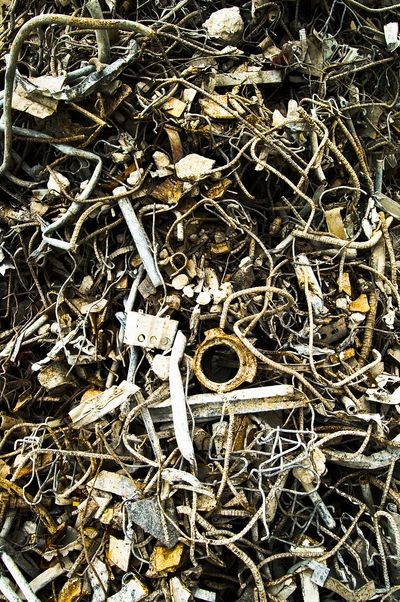
Scrap metal is more than just trash waiting to be sent to a junkyard. It is an important raw material for industrial engines, especially for heavy hitters such as steel, copper, lead, aluminum and zinc. When you recycle these metals, you recycle the core building blocks of modern infrastructure. Small amounts of tin, nickel, magnesium and even precious metals return from the junkyard to the factory area.
This process is far from simple. Impurities must be treated before melting. Organic messes such as wood, plastic, paint and textiles. However, the real challenge is metal impurities. Some are really useful. Others do nothing. Some are actively harmful.
Unwanted metals do not disappear just disappear. They are diluted. Manufacturers add pure metals to reduce the amount of impurities to an acceptable level. In some cases, a more aggressive refining is required to completely remove them. The goal is consistency.
Scrap is usually blended and melted to produce mixtures similar to or more complex than the scrap was derived.
This blending is key. We no longer only recycle individual metals. We creating complex metal alloys. The resulting material may have the identical as the original, or it may have a more sophisticated. This is a closed loop. The end of one object’s life becomes the high-grade starting point of another.