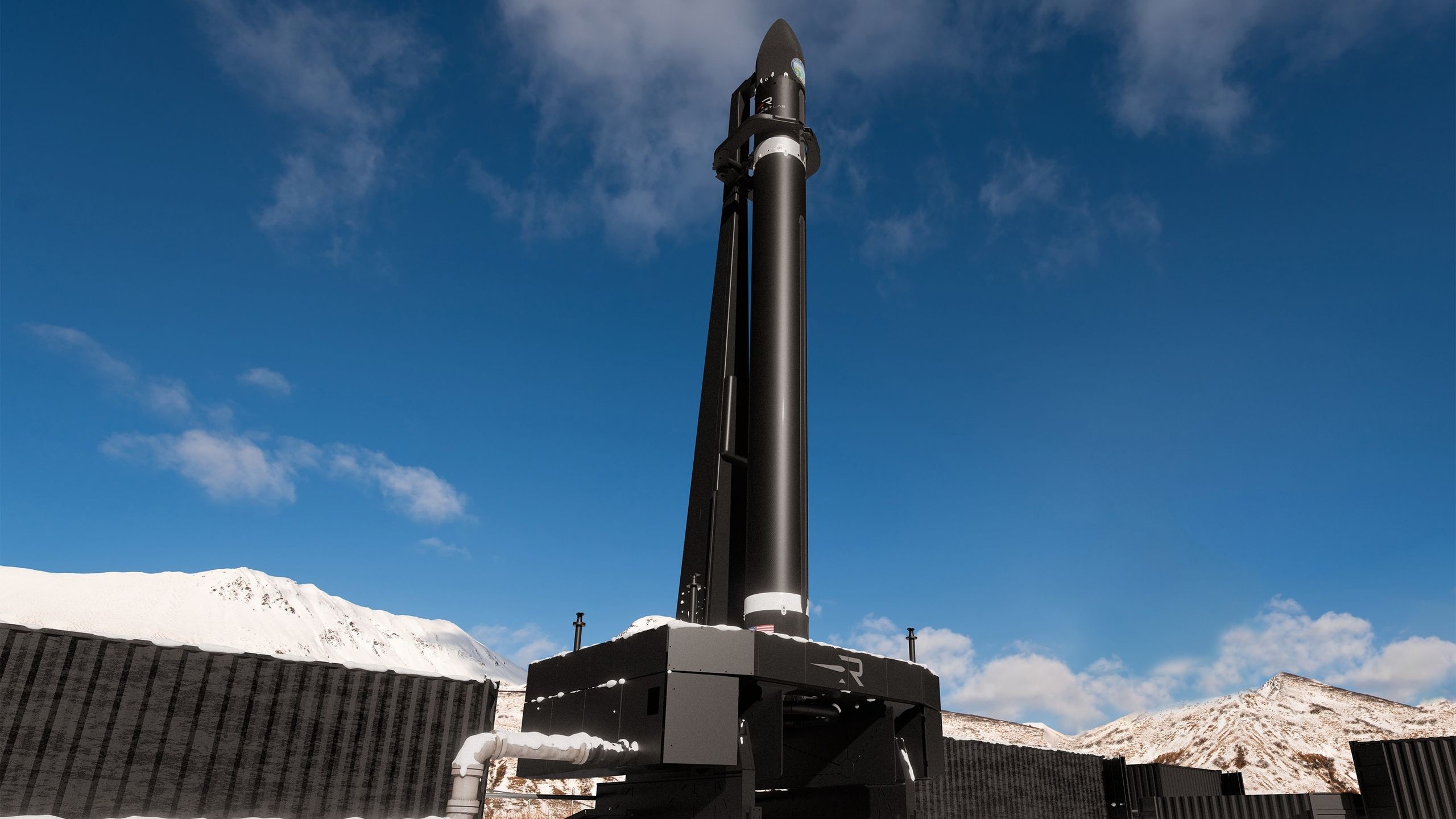
The United States Space Force is putting money behind speed. Specifically, it’s backing Rocket Lab with a $266 million contract to fly up to 18 missions related to missile defense. Most of those launches will come out of Alaska.
This is a significant shift for the California-based company. While Rocket Lab has flown from New Zealand and Virginia before, this deal signals a serious expansion into northern territories. The goal? To provide high-frequency launch capacity that keeps the U.S. ahead of global threats.
Why Alaska? The Kodiak Connection
You might not associate snowy landscapes with rocket science, but Alaska’s Pacific Spaceport Complex on Kodiak Island has a long history with military suborbital flights. It’s opened since 1998. It’s hosted nearly 30 missions. And yes, brown bears are more common than astronauts there.
Why choose this remote site?
Location matters when you need rapid response. The contract covers at least 12 suborbital flights, with room for six more. These aren’t just test runs. They are part of a broader strategy to test hypersonic technologies and support missile defense initiatives.
“The size and scale of this contract reflects theSpace Force’s confidence in our ability to meet urgent national security demands with speed, and we’re proud to provide the high-frequency launch capability required,” said founder and CEO Peter Beck.
What Is HASTE Doing Here?
So, what kind of rocket is heading to Alaska? Almost certainly HASTE.
HASTE is the suborbital variant of Rocket Lab’s Electron rocket. The Electron is a small-satellite workhorse, having launched 82 times since its debut in 2017. HASTE itself has been around since June 2023, carrying out nine missions so far. But those previous flights all took off from Virginia.
Moving HASTE to Alaska changes the dynamics. The Pacific Spaceport Complex has supported private orbital rockets before—specifically Astra and Long Wall (formerly ABL Space Systems). Now it’s adding Rocket Lab to the mix.
How Does This Fit Into National Defense?
The contract doesn’t explicitly state that every flight is for the “Golden Dome” missile defense initiative. The details are thin. However, the timing suggests a tight link.
HASTE was designed to test hypersonic technologies. Hypersonics are a major concern for national security. They are fast, maneuverable, and hard to track. By launching from Alaska, Rocket Lab can simulate or test these conditions more effectively than from lower latitudes.
This isn’t just about putting a box in space. It’s about ensuring the U.S. maintains an edge.
Rocket Lab’s Expanding Footprint
Rocket Lab now operates from three key locations:
- New Zealand: The primary launch site on the Māhia Peninsula.
- Virginia: Wallops Island offers two pads, previously the hub for all HASTE missions.
- Alaska: The new frontier, leveraging existing military infrastructure.
Each site serves a different strategic purpose. New Zealand provides equatorial launch advantages. Virginia offers easy access for domestic testing. Alaska provides the geographic vantage point needed for northern defense architectures.
The Bigger Picture
We don’t know exactly how many of the 18 missions will happen. The contract allows for flexibility. We don’t know every technical detail of the payload. But we know one thing for sure: the Space Force wants speed.
And Rocket Lab is ready to deliver it.
The company has been quietly building its reputation not just by launching satellites, but by offering a reliable, responsive platform for government and commercial partners alike. This deal validates that approach.
Alaska is cold. Remote. Unforgiving. It’s also strategically vital. As threats evolve, so does launch geography. Rocket Lab isn’t just building rockets anymore. It’s building infrastructure.
One launch at a time.