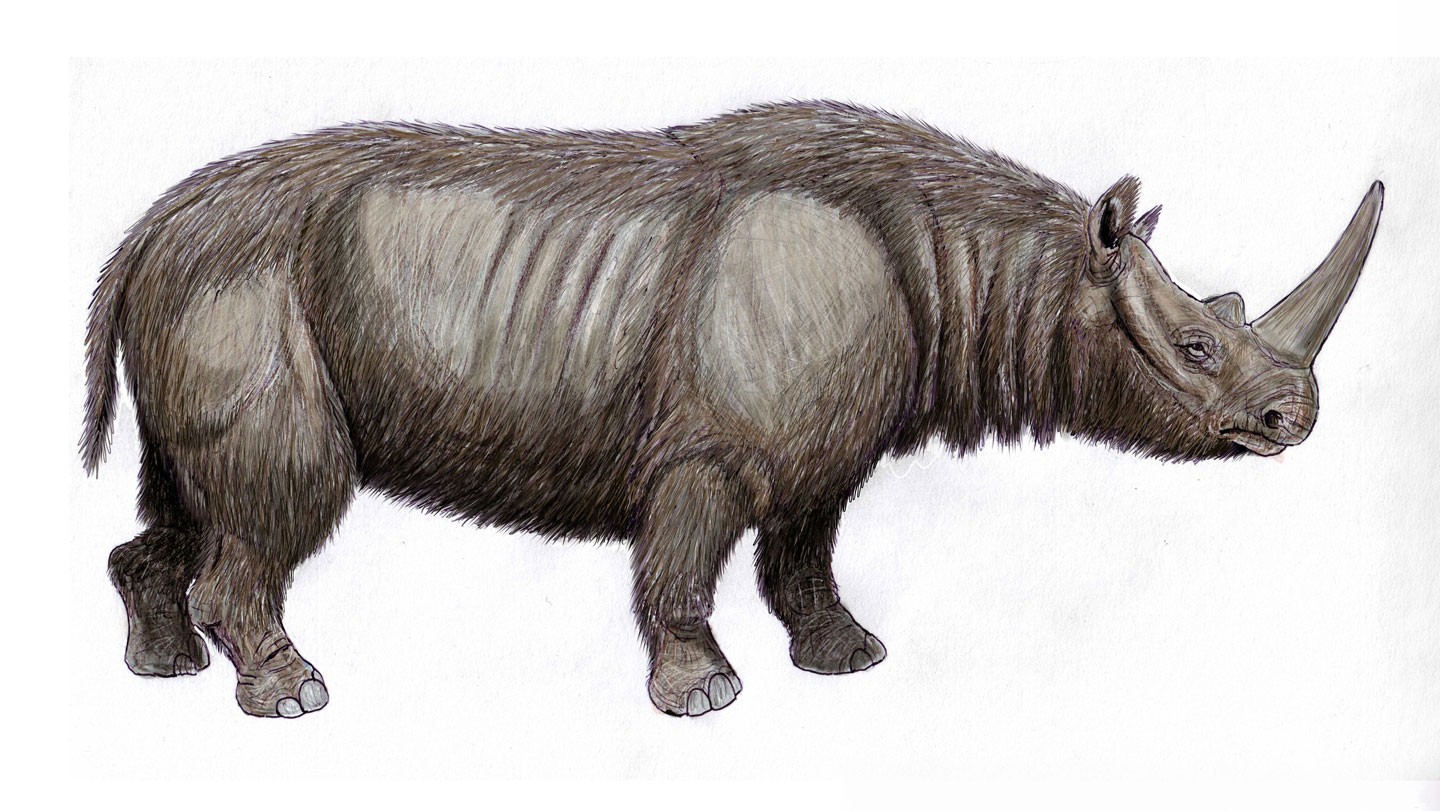
Neanderthals were far more resourceful than previously assumed, repurposing the massive molars of extinct rhinoceroses into durable, multi-purpose tools. A new study reveals that these ancient hominids didn’t just eat the animals; they systematically exploited their teeth for shaping stone tools and processing materials like hides and plant fibers. This discovery challenges long-held assumptions about Neanderthal technology and suggests a level of cognitive complexity and planning that rivals that of modern humans.
The Evidence: More Than Just Chewing
The research, published in the Journal of Human Evolution, focuses on fossilized rhinoceros teeth recovered from caves in France and Spain. While archaeologists have long documented Neanderthal use of bones and antlers as hammers or sharpening stones, teeth have rarely been scrutinized for tool use.
Alicia Sanz-Royo of the University of Aberdeen and her team analyzed teeth from a dozen archaeological sites, including El Castillo in Spain and Pech-de-l’Azé II in France. They identified specific wear patterns—grooves, notches, sliding marks, and scrapes—that indicated repeated impact and friction. Crucially, microscopic analysis ruled out natural causes, such as chewing or post-mortem damage. These marks were consistent with intentional, heavy-duty labor.
Experimental Archaeology Confirms the Theory
To verify their findings, the researchers conducted experimental archaeology using modern rhinoceros teeth sourced from zoological reserves. They simulated tasks Neanderthals likely performed, such as using the teeth as hammers to shape stone and as anvils for cutting vegetable fibers and leather.
The results were striking: the experimental teeth sustained damage patterns nearly identical to those found on the fossils. Despite their significant weight—some molars weighed up to 380 grams—the teeth proved surprisingly effective. Larger teeth with flatter surfaces offered a stable, durable platform for precision work. This suggests Neanderthals were selective, choosing specific teeth based on size and shape for particular tasks.
“I had never found teeth with these types of marks. At first, I was quite skeptical,” says Sanz-Royo. “This study is important because it opens the possibility that, in addition to bones and antlers, teeth—which are a superhard material—were also very useful.”
A Shift in Understanding Neanderthal Intelligence
The implications of this study extend beyond mere tool innovation. At El Castillo cave alone, researchers found 202 rhinoceros teeth, 25 of which bore use marks. This volume of evidence points to intentional behavior rather than opportunistic scavenging. It suggests that Neanderthals actively sought out specific resources, processed them, and integrated them into their technological toolkit.
This finding adds weight to the growing body of evidence suggesting Neanderthals possessed sophisticated cognitive abilities. For decades, symbolic thought and complex planning were considered exclusive traits of Homo sapiens. However, recent discoveries—including this one—are reshaping that narrative.
“It’s a trait of modernity,” notes archaeologist José Ramos-Muñoz of the University of Cadiz, who was not involved in the study. “This study shows that Neanderthals not only ate the animals, but they utilized their remains for their technology.”
Conclusion
The use of rhinoceros teeth as tools highlights the ingenuity and adaptability of Neanderthals. By leveraging the hardness and durability of animal remains, they created efficient tools that supported their survival in a challenging environment. This discovery reinforces the view that Neanderthals were not primitive counterparts to modern humans, but sophisticated hominids with complex technological and cognitive capabilities.