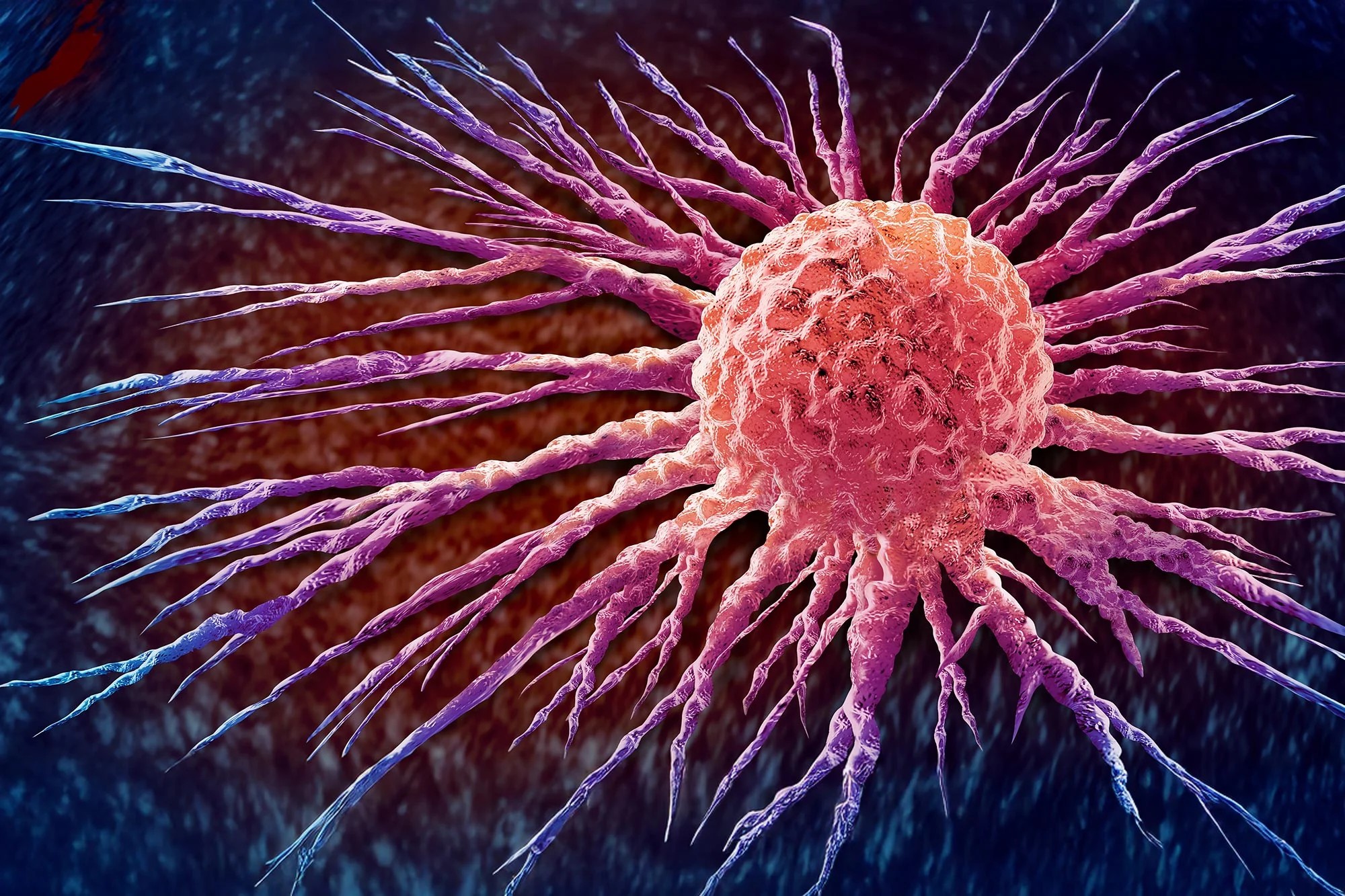
A groundbreaking therapy developed by researchers at the University of Illinois Chicago (UIC) turns the tables on cancer by weaponizing bacteria found within tumors. Instead of attacking cancer cells directly, this new approach targets their energy production systems, effectively starving tumors of the power they need to grow.
The treatment, derived from a bacterial protein, has shown dramatic results in prostate cancer models, particularly when combined with standard radiation therapy. This development marks a significant shift in oncology, moving away from broad-spectrum attacks toward precise metabolic interference.
From Bacterial Defense to Cancer Treatment
The concept stems from the discovery that tumors are not just collections of human cells; they host a complex microenvironment filled with bacteria. For years, these microbes were viewed merely as bystanders or contributors to inflammation. Recently, however, scientists have begun to explore them as potential sources of anti-cancer compounds.
Tohru Yamada, associate professor of surgery and biomedical engineering at UIC and senior author of the study, led the effort to harness this potential. His team previously identified a bacterial protein called cupredoxin that could suppress tumor growth. Cupredoxins are copper-containing proteins that facilitate electron transfer, a process vital for bacterial survival but potentially disruptive to cancer cells.
The earlier iteration of this therapy relied on the p53 gene, a critical tumor suppressor. While effective in some contexts, p53 is frequently mutated in various cancers, rendering the previous treatment inconsistent. This limitation highlighted the need for a mechanism that did not depend on the integrity of the p53 pathway.
Targeting the Mitochondria: The Energy Factory
To overcome the p53 dependency, Yamada’s team sought a bacterial protein that targeted a different vulnerability: the mitochondria.
Mitochondria are often described as the “powerhouses” of the cell, responsible for producing ATP, the primary energy currency. Cancer cells, which divide rapidly and aggressively, have heightened energy demands and often exhibit altered mitochondrial activity. This makes them an ideal, albeit challenging, target.
The researchers analyzed tumor samples from breast cancer patients using DNA sequencing to identify resident bacteria. They pinpointed a specific bacterium containing a cupredoxin protein called aurcyanin. Based on this natural model, the team engineered a lab-made peptide called aurB.
How aurB Works
- Infiltration: Once administered, aurB enters the cancer cells.
- Disruption: It travels to the mitochondria and binds to ATP synthase, a key enzyme required for ATP production.
- Starvation: By inhibiting ATP synthase, aurB cuts off the cell’s energy supply. Without sufficient energy, tumor cells struggle to survive and multiply.
Promising Results in Preclinical Models
The efficacy of aurB was tested in cell lines lacking functional p53 and in mouse models of prostate cancer that had become resistant to hormone therapy. The results were compelling:
- Significant Tumor Reduction: When used alone, aurB slowed tumor growth. However, when combined with radiation therapy —a standard treatment for prostate cancer—the effect was amplified.
- Safety Profile: The combination therapy significantly reduced tumor size without showing clear signs of toxicity to healthy tissue.
- Metastasis Inhibition: In models of tibial bone metastasis, the treatment demonstrated significant inhibition of tumor spread.
“The combination significantly enhanced the activity of the peptide and the tumor became much smaller,” said Yamada. “This approach is promising.”
The Path Forward
The findings, published in Signal Transduction and Targeted Therapy, suggest a new paradigm for cancer treatment: metabolic targeting via bacterial inspiration. By bypassing the need for functional p53, aurB offers a potential solution for cancers where traditional gene-dependent therapies fail.
The researchers have secured a patent for aurB through UIC’s Office of Technology Management. The next critical step is advancing the therapy into human clinical trials. Yamada remains optimistic about the broader implications, noting that auracyanin is likely just one of many bacterial proteins waiting to be adapted into life-saving drugs.
As the medical community continues to decode the tumor microenvironment, the line between pathogen and healer blurs. This research underscores a vital trend: looking to nature’s smallest inhabitants for solutions to humanity’s most complex diseases.