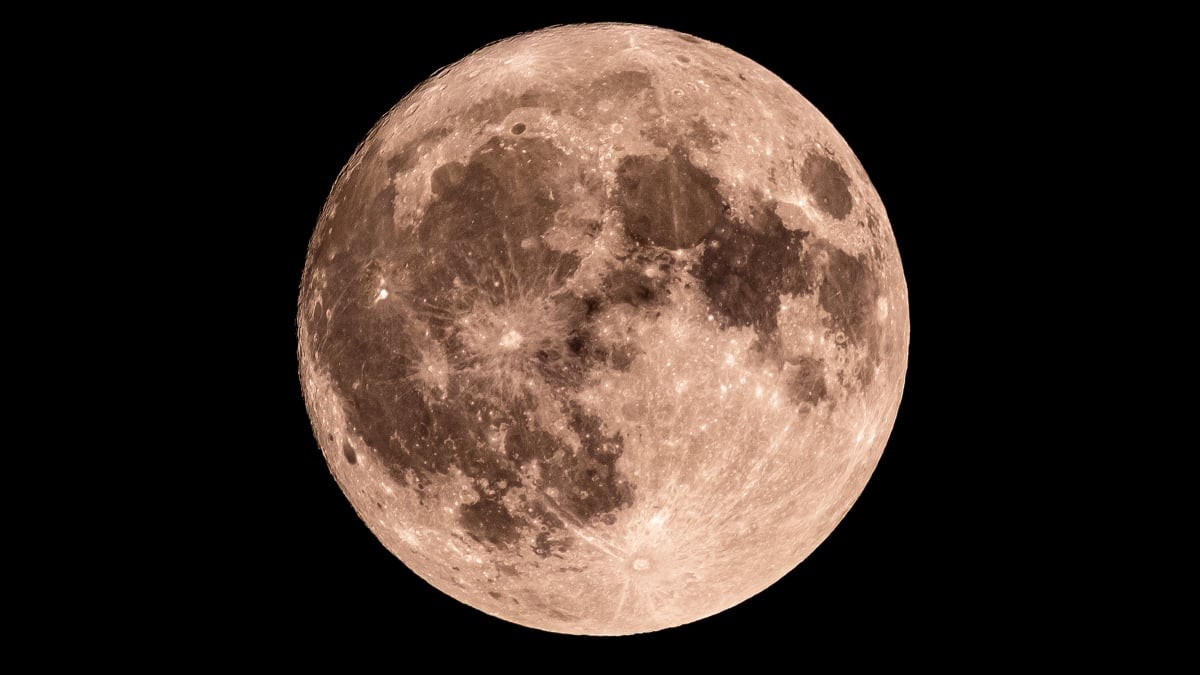
As of Saturday, May 2, 2026, the sky is hosting a spectacular celestial event: the Waning Gibbous phase. Occurring just one day after the Full Moon, the lunar surface remains nearly 100% illuminated, offering observers a rare and extended window to study its features in high definition.
While the moon appears fully bright to the naked eye, this specific phase is particularly valuable for astronomers and stargazers. The angle of sunlight hitting the lunar surface creates long shadows that accentuate craters and mountains, making topographical details far more visible than during the peak of the Full Moon, when the light is directly overhead and flattens the visual texture.
What Can You See Tonight?
Because the moon is still so bright, no special equipment is strictly necessary to appreciate its beauty. However, the level of detail you can observe depends on your viewing tools:
- Naked Eye: You can clearly distinguish major surface features, including the Mare Crisium (Sea of Crises), the Mare Vaporum (Sea of Vapors), and the prominent Tycho Crater.
- Binoculars: Stepping up to binoculars reveals smaller, intricate details such as the Posidonus, Archimedes, and Alphonsus craters.
- Telescope: For serious observers, a telescope unveils even more history and geology. You can spot the Descartes Highlands and the actual landing sites of the Apollo 14 and Apollo 17 missions, tangible reminders of human exploration on the lunar surface.
The Lunar Calendar: A Month of Two Full Moons
This May is unique in the lunar calendar. It contains two Full Moons, a phenomenon often referred to as a “Blue Moon” (though technically defined by calendar months rather than color).
- Current Phase: Waning Gibbous (May 2)
- Next Full Moon: May 31, 2026
This second Full Moon marks the end of the month and completes the cycle before the moon begins its journey back to darkness.
Understanding the Moon’s Cycle
To appreciate what is happening in the sky, it helps to understand the mechanics behind the phases. According to NASA, the Moon orbits Earth approximately every 29.5 days. During this journey, it passes through eight distinct phases.
While we always see the same side of the Moon due to tidal locking, the amount of sunlight reflecting off that surface changes as its position relative to Earth and the Sun shifts. This interplay of light and shadow creates the familiar shapes we track each month.
The eight phases are:
- New Moon: The Moon is positioned between Earth and the Sun. The side facing us is in shadow, making it invisible to the naked eye.
- Waxing Crescent: A thin sliver of light appears on the right side (in the Northern Hemisphere).
- First Quarter: Half of the Moon’s face is illuminated on the right, resembling a perfect half-circle.
- Waxing Gibbous: More than half of the surface is lit, but it has not yet reached full illumination.
- Full Moon: The entire face of the Moon is illuminated and fully visible from Earth.
- Waning Gibbous: The Moon begins to lose light on the right side. This is where we are on May 2.
- Third Quarter (Last Quarter): Another half-Moon, but this time the left side is illuminated.
- Waning Crescent: A thin sliver of light remains on the left side before the cycle resets to the New Moon.
Key Insight: The transition from Full Moon to Waning Gibbous is not just a dimming of light; it is a shift in perspective that enhances the three-dimensional appearance of the lunar landscape, making it an ideal time for detailed observation.
Conclusion
The night of May 2, 2026, offers a perfect opportunity to engage with the night sky. Whether you are using a telescope to hunt for Apollo landing sites or simply looking up to admire the glowing orb, the Waning Gibbous phase provides a rich, textured view of our nearest celestial neighbor. With one more Full Moon to come at