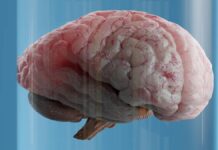
While diet and exercise are universally recognized as pillars of health, new research suggests they may be secondary to a more fundamental biological need: sleep. A comprehensive study led by researchers at Oregon Health & Science University (OHSU) indicates that insufficient sleep is a stronger predictor of reduced life expectancy than physical inactivity or poor dietary habits.
The findings, published in Sleep Advances in 2025, challenge the conventional hierarchy of health advice, placing sleep hygiene at the forefront of longevity strategies.
The Data Behind the Discovery
Researchers analyzed extensive survey data from across the United States, covering the period from 2019 to 2025. The study compared self-reported sleep durations against life expectancy measures, establishing less than seven hours of sleep per night as the threshold for insufficiency.
To ensure the results were robust, the team controlled for various socio-economic and lifestyle variables known to impact mortality, including:
* Physical inactivity
* Employment status
* Educational level
* Smoking habits
Even after accounting for these factors, the association between insufficient sleep and lower life expectancy remained statistically significant. In fact, the link was so strong that only smoking showed a more powerful correlation with reduced lifespan in the models used.
Why Sleep Matters More Than We Thought
The study’s lead author, OHSU sleep physiologist Andrew McHill, expressed surprise at the magnitude of the findings.
“I didn’t expect [insufficient sleep] to be so strongly correlated to life expectancy,” McHill said. “We’ve always thought sleep is important, but this research really drives that point home: People really should strive to get seven to nine hours of sleep if at all possible.”
While the study is observational and cannot definitively prove that lack of sleep causes early death, it highlights a critical biological reality. Adequate sleep is essential for nearly every physiological process, from immune function to brain circuitry maintenance. Chronic sleep deprivation is linked to conditions such as obesity and diabetes, both of which are significant contributors to premature mortality.
Context and Limitations
It is important to note that this research identifies a strong correlation, not necessarily a direct causal chain. The complex interactions between sleep, diet, and exercise make it difficult to isolate one factor entirely. For instance, poor sleep can lead to poor dietary choices and reduced motivation for exercise, creating a vicious cycle.
However, the consistency of the data across different models suggests that sleep is a significant indicator of long-term health. As McHill noted, “It’s intuitive and makes a lot of sense, but it was still striking to see it materialize so strongly in all of these models.”
Practical Implications for Daily Life
The good news is that sleep habits are largely modifiable. Unlike genetic predispositions or certain chronic conditions, individuals have agency over their nightly routines. Experts recommend prioritizing sleep with the same intensity typically reserved for diet and fitness goals.
Key recommendations include:
* Aim for 7–9 hours: Both the American Academy of Sleep Medicine and the Sleep Research Society recommend this range for adults.
* Improve sleep hygiene: Avoid “doomscrolling” or screen time before bed, which can disrupt circadian rhythms.
* Incorporate relaxation practices: Activities like yoga or tai chi can help signal to the body that it is time to rest.
While some evidence suggests weekend catch-up sleep may offer minor benefits, consistency remains key.
Conclusion
This research underscores a simple yet profound truth: sleep is not just a passive state of rest, but an active component of longevity. By prioritizing seven to nine hours of quality sleep, individuals may gain more significant health benefits than by focusing solely on diet or exercise alone.