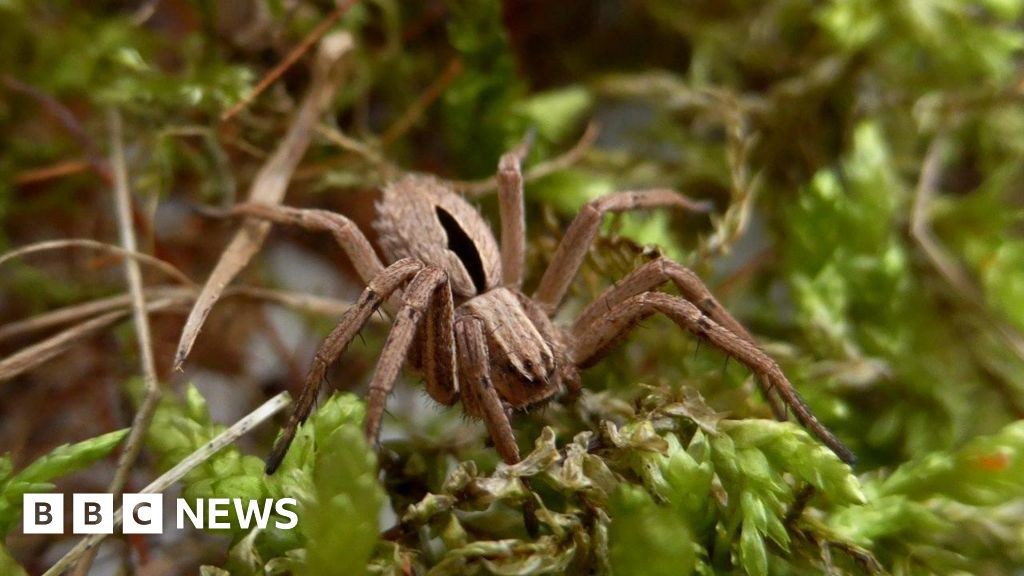
A rare species of spider, once feared to be extinct in the United Kingdom, has received a significant lifeline. The National Trust has been awarded £50,458 from the Department for Environment, Food & Rural Affairs (Defra) to spearhead a critical conservation mission for the diamond-backed spider.
The funding, delivered through Natural England’s Species Recovery Programme, marks a transition from a chance discovery to a structured scientific effort to ensure the species’ survival.
A Miraculous Rediscovery
The diamond-backed spider was believed to have vanished from British soil entirely until a remarkable turn of events in 2017. Two volunteers at Clumber Park in Nottinghamshire spotted the spider, effectively bringing a “lost” species back into the scientific spotlight.
Currently, Clumber Park remains the only known location in Britain where this species survives. This isolation makes the population incredibly vulnerable; if a single localized event—such as a habitat change or disease—were to occur, the species could face true extinction in the UK.
The Scientific Mission: Uncovering Mysteries
While the spiders have been found, much about their biology remains a mystery. To move from mere observation to active recovery, the National Trust is partnering with the British Arachnological Society to focus on several key scientific objectives:
- Understanding Breeding Patterns: Researchers are working to locate a “gravid” female (one carrying eggs). Identifying how these spiders reproduce is essential to determining if the population is self-sustaining or merely a lingering remnant.
- Genetic Mapping: Future plans include genetic analysis to trace the spider’s origins and understand how it arrived at Clumber Park.
- Habitat Expansion: Surveys will be conducted in the nearby heathlands of Sherwood Forest to identify potential new habitats.
Searching for Hidden Populations
The project is not limited to Nottinghamshire. Conservationists are also looking backward to find lost connections. There are plans to survey Ashdown Forest in Sussex, a location where the spider was last recorded in 1969. The hope is that a “hidden” or overlooked population may still exist there, which could be vital for increasing genetic diversity.
“We have too many critically endangered species in Britain,” noted Dr. Helen Smith of the British Arachnological Society. “The future of this smart little spider… could not be more precarious.”
Why This Matters
This project is a microcosm of a larger struggle facing UK biodiversity. As specialized habitats like heathlands shrink due to development and climate change, many “specialist” species—those that require very specific conditions to survive—are pushed to the brink.
By investing in the diamond-backed spider, conservationists are not just saving a single insect; they are learning how to manage and restore the delicate heathland ecosystems that support much of Britain’s rare wildlife.
Conclusion
This funding provides a critical opportunity to turn a rare sighting into a long-term survival strategy. By unlocking the secrets of the diamond-backed spider’s biology, scientists hope to expand its reach and secure its place in the British landscape.