Pollinators do a lot of work for the food supply. Without them, our food would look completely different. Many of the fruits, vegetables and nuts we eat depend on insects to carry pollen from flower to flower. This is a biological pipeline. When that pipeline breaks, the crop fails.
Bees are not just busy workers. They are the intelligent architects of our ecosystem.
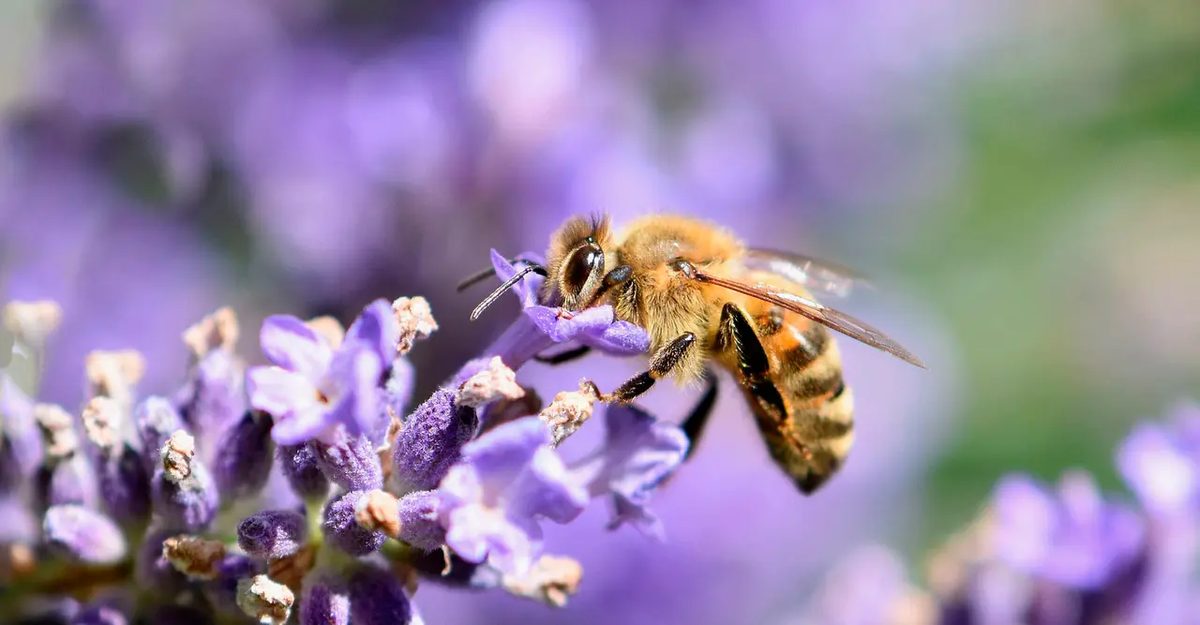
This process is mechanical, but precise. A bee lands on a flower. It pushes its head deep into the corolla. The legs twitch and the stamens open and release pollen. It doesn’t stay in one place. It moves to the next flower. Then the next. They collect nectar and pollen from a variety of plants. This random but effective movement fertilizes the plant. It creates the conditions for seed formation. It produces the food we eat.
Without these insects, mass starvation would occur. Without this service, most cultivated plants cannot reproduce. The result is a collapse in the type and quantity of food.
How to prevent the death of bees in the garden
Fear often leads people to harm the creatures they depend on. The pain is real. Pain occurs quickly. But the solution is not chemical warfare. This is behavior change.
When the bees come to your garden, let them do their work. Do not swat. Avoid making sudden movements. Quick gestures can provoke a defensive reaction. They see you as a threat. Calm means safe.
You can also attract them. Plant flowers that produce nectar. Acacia trees provide early spring food. Ivy provides fuel for survival in the latter part of the season. Lotier, thyme and linden complete the meal. These plants support bee populations by providing a stable food source.
Consider the scale of the problem. Bees are more than just insects. They are pollination engineers. Their survival determines our survival.
A book by Yves Darricau “Planter des arbres pour les abeilles” (Planting trees for bees) gives more detailed instructions. There are 224 pages. It focuses on tree selection that support pollinators. The publisher is Éditions de Terran. The advice is concrete. It goes beyond the usual gardening tips.
Which plants help bees survive the winter?
Ivy is an important resource. It blooms late. The other flowers have withered. Bees need energy to survive the cold season. Ivy provides it.
Linden trees provide a heavy nectar flows. They support large colonies. Acacia trees bloom early. They wake up the hive after winter. Lotier offers a variety of nutrients. Thyme attracts a variety of pollinating insects.
There is a direct connection between your garden and global food security. It is not abstract.
You don’t need a big farm. A few well-chosen plants will do the trick. The bees will know. They will visit. They will work.
The question is not whether bees are important or not. The question is whether they will be allowed to work undisturbed.