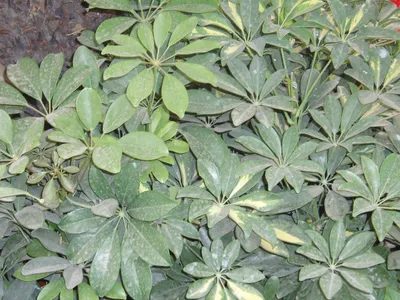
They thrive in the shadows. That is the primary reason schefflera has become a staple in offices, apartments, and living rooms across the globe. Belonging to the ginseng family (Araliaceae), these tropical evergreens are widely cultivated as indoor foliage plants specifically because they tolerate low light conditions better than most other options.
The genus Schefflera is vast and varied. It includes the New Zealand seven fingers (S. digitata ), a towering plant that can reach heights of 7.5 m (25 feet). Similar in size is the Asian S. octophylla.
However, the most common schefflera you will see is the Australian umbrella tree (S. actinophylla, also known as Brassaia actinophylla ). This species can grow up to 12 m tall. It is widely used as a landscape tree in Hawaii and other warm regions. Indoors, it remains one of the most popular choices for adding greenery without demanding direct sunlight.
For those with smaller spaces, there is a cultivated dwarf species known as the Hawaiian schefflera (B. arboricola ). It is more compact in habit and features smaller leaves. This makes it an ideal choice for desks or shelves where space is at a premium but a bit of tropical flair is desired.
These plants are not just decorative. Their ability to survive in low light makes them practical for modern living.
The umbrella tree’s popularity stems from its resilience. It does not need constant attention. It does not demand perfect humidity or bright, direct sun. This tolerance allows it to persist in corners where other plants would wither.
The distinction between the tall Australian variety and the compact Hawaiian dwarf is significant for buyers. The former can dominate a room. The latter fits neatly into a corner. Both share the same hardy nature.
Choosing the right schefflera depends on your space. A tall tree needs height. A dwarf plant needs less. The genus offers options for every environment.
The common name, umbrella tree, comes from the leaf arrangement. The leaves radiate from a central point. They look like an opened parasol. This structure helps the plant capture what little light is available.
Hawaii has embraced the Australian umbrella tree as a landscape staple. It grows well in warm areas. The climate suits its tropical origins.
Indoors, the experience is different. The plant becomes a quiet companion. It grows slowly. It does not rush. This patience is part of its appeal.
People often ask why schefflera is so common. The answer is simple. It works. It survives. It looks good.
The dwarf variety is often mistaken for a different species. It is not. It is simply a smaller version of the same hardy plant. The leaves are smaller. The growth habit is tighter.
Both varieties share the same family ties to ginseng. This connection explains their robust nature. They are built to last.
The tall Australian type can reach 12 m. This is significant for outdoor growth. Indoors, it is usually kept smaller through pruning. The control is in the hands of the grower.
The New Zealand seven fingers is another option. It reaches 7.5 m. It is less common as a houseplant. The size makes it impr