That manicured lawn feels like a victory lap. The grass is lush. The fountain burbles with serene, expensive energy. You stand there, arms crossed, surveying your kingdom. It’s peaceful. It’s yours.
But look closer.
The stillness is a lie. Underneath the mulch and the mowed turf, the backyard is actively trying to kill you. Darwin’s law doesn’t take weekends off. Your hideout is full of traps.
Common sense stops most of the damage. But you have blind spots. That landscaping feature you love might be a death sentence for someone else. Risk is subjective. That patch of goldenrod might look beautiful to your spouse. To your son with a bee sting allergy, it’s a ticking time bomb.
Here is what’s actually out to get you.
10: The Trampoline Trap
It starts as a birthday gift. Then it becomes the center of the social universe. Then it becomes a hazard you ignore because everyone else has one.
The trampoline is the most dangerous object in the typical suburban backyard. The statistics are brutal. Thousands of emergency room visits happen every single year because of a spring-loaded bed of steel and netting.
The risk isn’t just falling off. It’s falling on.
Most injuries happen from collisions. One person bounces. Another lands near them. The force is incomprehensible. Limbs snap. Spines compress. The “net” is often a false sense of security. It doesn’t stop the momentum. It just contains the chaos.
Parents think they’re supervising. But human attention spans are terrible. A five-second glance away is all it takes for a catastrophic accident to occur. The design itself is flawed. The high-impact surface encourages reckless jumping. Kids don’t know their own strength. They don’t know how to land safely.
You buy it for fun. You get it for memory-making. You might get it for a lawsuit.
Check the safety protocols. Are they being followed? Or is the trampoline just a dusty monument to bad decisions?
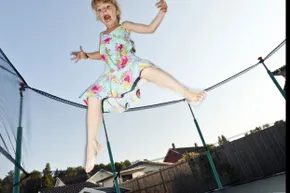
The Hidden Danger of Backyard Bouncers
Trampolines are simple. They are just a fabric mat stretched over springs. Kids love them. Adults love them. Even some internet-famous pets have found their way onto the bouncy surface. But the thrill of flight lasts only as long as the physics allow before gravity demands its due.
The fun factor is high. The risk factor is higher.
In 2009, the data painted a grim picture. The National Electronic Injury Surveillance System recorded nearly 98,000 injuries linked to trampolines in the United States. That is a lot of broken bones. More than 3,000 of those injuries were severe enough to require a hospital stay.
Most accidents happen because people forget the golden rule. It’s not a group activity. When two or more people jump simultaneously, the “double bounce” effect takes over. One person lands. The energy transfers. The other person launches skyward. Or worse, they land on top of each other.
Falls are the primary culprit. They account for anywhere from 25% to 50% of all documented injuries. A fall onto the frame is bad. A fall that hits the head or neck is catastrophic. The spine cannot handle those kinds of forces.
Manufacturers have tried to fix this. They added padding. They added safety enclosures. These netting systems are effective. They reduce the risk of catastrophic injury significantly. But a net is not a cure-all. It is a mitigation strategy.
If you own a trampoline, you need to enforce strict rules. Only one person at a time. No exceptions. If you allow multiple jumpers, you are gambling with permanent disability. The bouncy plane is unpredictable. It doesn’t care about your fun. It only cares about momentum.
Enclosures are effective in reducing catastrophic injuries, so be sure to buy one for your family. Also, be sure to restrict trampoline use to only one person at a time.
9: All Up In Your Grill
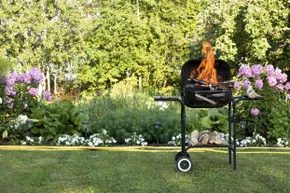
Grills are fantastic for charring up dinner. They’re also excellent at starting accidental fires. One wrong move and your fingers look like overcooked hot dogs.
Know your gear. It keeps you whole.
Space and Airflow Matter
Don’t grill where you shouldn’t. A cramped balcony is a fire hazard waiting to happen. Charcoal? That’s a recipe for disaster in tight quarters.
Dispose of coals correctly. Let them burn out. Then dump them in a sturdy metal container. Not your trash bin. Not your hand.
Propane Perils
Propane grills run on explosive gas. Damaged tanks are a bad idea. Leaks are worse.
Lighting matters. Let too much gas build up. Boom. The wrong kind of boom.
Alcohol and Burns
Beer tastes good near a grill. Smoke helps.
Drink too much and judgment fades. A small flame becomes a third-degree burn.
Keep it smart. Stay in one piece. Your food will be fine too.
Ruinous Rays
Sun safety is next.

7: Pool Pitfalls
Sunlight reflects off water. It bounces off sand. You think you’re safe in the shade or near the edge, but UV rays don’t care about your geography. They hit you from every angle. This is why swimming pools and beaches are danger zones, not just for drowning but for skin damage.
The reflection can boost UV exposure by up to 25%. That isn’t a typo. If you are lounging by the pool without protection, you are getting hit by direct sun and reflected radiation simultaneously. Most people underestimate this. They see the cool blue water and assume it cools their risk. It doesn’t. It amplifies it.
This brings us back to the stats. Skin cancer is the most common cancer in the United States. Two million people get diagnosed every year. That number has climbed steadily because we treat sun exposure like a hobby rather than a hazard. In the last thirty years, more people have been diagnosed with skin cancer than all other cancers combined. We are literally painting our skin with risk.
Melanoma is the killer. In 2013 alone, nearly 10,000 Americans died from it. Ninety percent of those cases tie directly to sun exposure. Not genetics. Not bad luck. Sun exposure. You can’t blame your DNA if you are walking around without a lick of protection.
Tanning beds are part of the problem, too. Vanity drives people into those booths. But outdoor exposure is the bigger culprit. People wander under the sun midday. They skip the hat. They ignore the SPF.
Protecting yourself isn’t hard. It’s just boring. Apply sunscreen with at least SPF 15 every day. Reapply it. Wear a hat with a wide brim. Cover up with clothes. Avoid direct sun when the UV index peaks. Do not let your skin burn. A sunburn is not a badge of honor. It is cellular damage. It is a red flag waving at death.
You are risking a terminal diagnosis for a tan. Is the glow worth the grave? Probably not. But millions keep doing it anyway.

You probably bought it to keep things cool. To save on energy bills. To extend your pool season another month or two. But that inflatable ring? It’s not a leisure device. It’s a death trap.
The Consumer Product Safety Commission (CPSC) has been screaming this for years. These “time machines” or “pools” with no floor are particularly dangerous for small children. Why? Because they sink. They flip. They trap air in a way that makes it nearly impossible for a toddler to escape if they fall in.
The Drowning Statistics Are Terrifying
Let’s look at the numbers, because they don’t lie. In 2010, the CPSC reported that more than three-quarters of all pool-related fatalities involved kids under the age of five. That’s a staggering majority. And here is the kicker: most of these incidents happened at residential pools. Not public centers. Not hotel resorts. Your backyard.
Your backyard is supposed to be safe. It’s your sanctuary. But without proper barriers and supervision, it becomes a hazard zone. The CPSC data is clear. Small children lack the swimming skills to save themselves. They can’t swim. They can’t climb out. And they certainly can’t manage an inverted inflatable ring.
Supervision is Non-Negotiable
You need an adult in the water. Or at least right beside it. A lifeguard is ideal. If you don’t have a lifeguard, you need an adult who is sober, focused, and knows CPR.
This isn’t a suggestion. It’s a requirement. If you step away to grab a drink or check your phone, you are gambling with a life. The margin for error is zero. If a child falls in, you have seconds to react. Do you know CPR? If not, you are part of the problem.
Fences Are Your First Line of Defense
A tall, lockable fence is critical. It’s not about aesthetics. It’s about physics. It’s about keeping unsupervised kids out. If your pool is accessible to children, you need a barrier that they cannot climb, squeeze through, or open.
Most residential accidents happen because the gate was left open. Or the latch failed. Or the fence wasn’t high enough. Don’t cut corners. Don’t save money on the fence. You will pay for it in ways that money cannot fix.
Learn to Swim. It’s Life or Death.
Teach your children to swim. Teach yourself. Basic swimming skills are not a luxury. They are a survival tool. Anyone can learn. It doesn’t take years. It takes commitment. It takes practice.
If a child falls in, knowing how to tread water or float can be the difference between a scary story and a funeral. Don’t assume they’ll figure it out. They won’t. Not in time.
The Inflatable Ring Problem
Back to the “time machine.” The CPSC warns against these unsecured inflatable rings. They are unstable. They are unpredictable. They are not designed for safety. They are designed for fun. And fun can kill.
If you have one, get rid of it. Or use it only under direct, constant supervision. And even then, it’s risky. The risk is not worth the convenience. The risk is not worth

The water feels good. It’s cold outside. You dive in. It’s a classic winter ritual. But there is a thin line between cozy and catastrophic. When you mix high heat with the wrong variables, a relaxing soak turns into a life-threatening situation.
Most people don’t realize how quickly their body’s internal thermostat breaks down. Once the water hits 104 degrees Fahrenheit (40 Celsius), you are already in the danger zone. Bump it up to 106 degrees (41 Celsius), and your body loses the ability to regulate its own temperature. You aren’t just getting warm. You are risking heat stroke. Or worse, passing out and drowning in your own privacy.
Alcohol + Heat = Bad Math
Here is where things get messy. Alcohol doesn’t just lower your inhibitions. It blunts your awareness of physical distress. You might not feel the heat building up inside you. You might not notice the dizziness until you are already sliding under the surface.
“Booze increases the chance that you’ll make poor decisions in the water… and you may not feel the ill effects of overheating until it’s too late.”
Even if you are sober, timing matters. Don’t treat a hot tub like an all-you-can-drink buffet. Limit your exposure. Fifteen minutes is the sweet spot. Go longer, and the risks compound.
The Child Safety Myth
There is a dangerous assumption that small hot tubs are safe for kids because of their size. This is false. In fact, small tubs can be more perilous for young children.
If a child cannot touch the bottom of the tub with their feet, they are floating. Floating in deep water with no leg room is a recipe for drowning. Treat every hot tub with the same respect you would give a full-sized swimming pool. Never leave kids unattended. Never assume the shallow depth makes it safe.
5: Blades of Gory
This section shifts tone slightly, referencing horror movie tropes where water and blades mix. But in reality, the real horror isn’t a slasher film. It’s physiology.
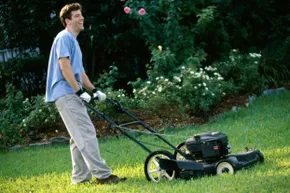
You want to let nature take the wheel. Tall grass feels like freedom. A personal jungle. A way to disappear from the suburbs.
Your neighbors? They are not buying it. An overgrown yard is a neighbor complaint waiting to happen. So you grab the machine. The lawnmower.
It looks harmless. It cuts grass. Simple.
It is not. It is a weapon.
In 2010 alone, U.S. emergency rooms treated more than 250,000 people injured by these rotary blades. That is a lot of broken bones. And worse. Amputations happen. Deaths happen. It is gruesome stuff.
Lawnmower safety is not just a suggestion. It is a survival tactic.
Keep kids under 12 off the controls. Seriously. And do not put a toddler on your lap while driving a riding mower. That is a recipe for disaster. If the machine is on, people and pets stay far away. Debris flies. Rocks turn into bullets. You do not want them in your eye. Or your leg.
Clothing matters. Long pants. Real shoes with soles. Leave the flip-flops at home. Shorts leave nothing to stop a blade. Add safety glasses. You cannot control everything. Things get thrown. You will need protection.
Riding mowers are fun. They are also unstable. Hills are dangerous. Tipping is real. A heavy tractor with spinning blades underneath is a tomb if it flips. Engage your brain. Go slow on slopes.
Speed kills. Rushing leads to bad choices. It leads to shortcuts. Take your time. Mow properly.
Come back to your living room. Clean. Whole. And the lawn looks good.
4: Foliage Follies

Oleander might look like the poster child for suburban elegance with its clusters of white, yellow, or red blooms, but treating it as merely decorative is a dangerous mistake. Every single part of the plant contains cardiac glycosides, a cocktail of toxins that can stop a heart.
Ingesting even a small fragment of an oleander leaf or flower can be fatal. Young children are particularly vulnerable simply because their curiosity often leads them to taste random foliage. It’s not just oleander, either. If you walk through many neighborhood gardens, you might spot castor beans, daphne, lantana, yellow jessamine, or monkshood. These are common landscape staples that pack a lethal punch if played with or eaten.
The window for disaster is tiny. A puppy takes one bite. A toddler grabs a handful. There is no warning shot. Before you let your dog or kids roam free, walk the perimeter. Identify what is within reach. If you can’t fence it off, pull it out. Local nurseries can swap these hazards for safe alternatives. It’s a small price to pay for peace of mind.
3: Your Chemical Romance
The romance of gardening often extends beyond the plants themselves, into the chemicals used to keep them thriving. Pesticides and fertilizers are another layer of risk, especially for pets who sniff everything and lick their paws.
Many common garden treatments contain organophosphates or carbamates, which interfere with the nervous system. Symptoms in pets can include drooling, vomiting, tremors, or seizures. The toxicity varies by product, but the risk is real and immediate.
Reading labels isn’t optional. Look for organic alternatives where possible. Neem oil, for instance, is a natural deterrent for many pests and is far less toxic to mammals than synthetic sprays. Compost and natural mulch also help suppress weeds without harsh herbicides.
If you must use chemical treatments, keep pets and children indoors until the spray has completely dried and the area is secure. Ventilation matters. Application timing matters. A quick rinse after outdoor play can also reduce exposure to residue.
Gardening should be a joy, not a liability. Know your plants. Know your products. The goal is a green space that enhances life, not endangers it.
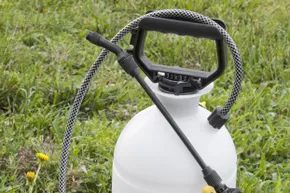
Walk into any hardware store. You will be greeted by aisle upon aisle of bottles labeled with warnings. These products are engineered to destroy life. They kill bugs. They choke out weeds. It stands to reason then that they can harm humans and animals if handled incorrectly.
Homeowners tend to go overboard.
Farmers use chemicals. But many homeowners apply up to ten times the concentration used on industrial crops. The logic is simple in their minds: more poison equals a greener lawn. A tighter grip on nature.
But the consequences of slopping chemicals around are well-documented. Children playing in the grass are at risk. Pregnant women. Adults breathing in the mist. The damage isn’t just surface-level. Pesticides can wreck reproductive systems. They can damage brains. And for many of these compounds, we simply do not know the long-term risks yet.
The solution isn’t complicated. It is boring. It requires restraint.
2: Don’t Get Trashed
If you must use them, treat them with respect. Read the label. Follow the instructions. Do not douse your yard in gallons of unregulated toxin while wearing flip-flops. That is not lawn care. That is a liability.
Keep your exposure minimal. Only use chemicals when there is no other option. When you do, wear protection. Step back. Let the grass be imperfect. Your health is worth more than a weed-free patch of turf.

Wildlife doesn’t care if you’re suburban or rural. Garbage is just food waiting to happen.
Leave it out? You’re inviting trouble.
Rats. Mice. Insects. They all show up.
And then there are the big ones. Bears. Raccoons. Animals that can tear through a bin like it’s tissue paper. The danger isn’t just the mess. It’s the diseases they carry. It’s the property damage. It’s the sheer size of an animal that doesn’t know its place in your backyard.
“Even if they don’t get you, they can cause property damage galore in a furry flash.”
So, what’s the fix?
It starts with the bin. Not just any bin. One with a solid lid. A tight seal. Something that keeps curious paws and small hands out.
If you’re in bear country or heavy raccoon territory, a standard plastic bin won’t cut it. You need heavy-duty solutions. Locking metal bins. Bungee cords. Anchoring systems.
It’s not just about your own safety.
When you secure your waste, you’re protecting the neighborhood. You’re reducing confrontations. You’re keeping the peace between humans and wildlife.
1: Critter Jitters
Why Standard Trash Cans Fail
Most homeowners think a lid is enough. It isn’t.
Raccoons are smart. They learn quickly how to lift flimsy latches. Bears? They don’t care about latches. They care about calories.
A flimsy bin is an open invitation.
Better Ways to Secure Your Bin
Stop guessing. Start securing.
- Locking Metal Bins: These are the gold standard for high-risk areas. Heavy. Hard to tip. Harder to break into.
- Bungee Cords: A cheap fix for standard bins. Wrap it tight. Make it a puzzle, not a door.
- Anchoring Systems: Bolt your bin down. If it can’t move, it can’t be dragged.
- Citronella Lights: A deterrent for smaller pests. Smells bad to them. Not so much to you.
The Cost of Convenience
It’s easier to just leave the bin out.
You’re tired. It’s dark. You think they won’t show up.
They always show up.
And when they do, the cleanup is worse than the chore of locking your bin. The damage to your property. The risk to your family. The disruption to the local ecosystem.
Where to Buy Solutions
Check local hardware stores. Online retailers.
Look for bins labeled bear-resistant or raccoon-proof.
Don’t buy cheap. Buy durable.
How Often to Empty
If you live in an area with large wildlife, empty your bins more often.
Don’t let food waste sit.
Rotting meat. Sugary leftovers. These are magnets.
Empty weekly. Or more often.
What If You Already Have a Problem?
If you’ve already had encounters?
You need to escalate.
Contact local wildlife control. Report aggressive behavior.
And double down on your security.
Final Thoughts
It’s simple math.
Secure bin =
Your backyard is supposed to be your sanctuary. It is where you decompress. It is where the kids play. It is rarely where you expect to find a life-threatening emergency. But if you live in certain zip codes, the boundary between “relaxing garden” and “biological hazard zone” is thinner than you think.
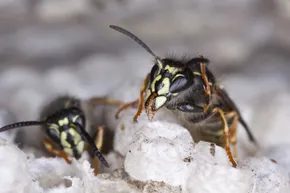
We are talking about insects and snakes. Specifically, the ones that don’t just buzz or slither. The ones that inject venom or trigger immune systems into overdrive. For a significant portion of the population, a sting isn’t just a nuisance. It is a medical event.
Managing Severe Allergic Reactions
If anyone in your household has a known allergy to bee stings, wasp bites, or other insect encounters, you cannot rely on luck. You need a protocol. A severe reaction, known as anaphylaxis, can escalate faster than you can drive to an emergency room.
The first step is accessibility. Where is the epinephrine injector? If you don’t know the answer immediately, you are at risk. It needs to be visible and reachable by every adult in the house at all times. Not buried in a junk drawer. Not locked in a shed.
But prevention is better than rescue. If a family member is hypersensitive, you have to treat the yard like a sterile zone regarding attractants. Cut back the foliage. Remove the flowers that draw in stinging creatures. Make your garden less hospitable to the very things you are trying to avoid.
Habitat Modification Over Chemical Warfare
Venomous spiders, snakes, and dangerous insects don’t appear out of nowhere. They are there because the environment suits them. They have found food, water, or shelter.
You can disrupt this cycle without resorting to heavy-handed chemical sprays or traps. Change the habitat. Remove the brush piles. Clear the leaf litter. Seal the gaps under decks. By altering the physical space slightly, you can drive these creatures off without killing them. It is about making the yard unfriendly, not lethal.
When to Call the Pros
Sometimes the problem is too big for a DIY solution. If the volume of poisonous critters is overwhelming, or if you cannot identify the specific species causing the threat, stop. Do not try to be a hero.
Call a professional. A pest control expert or wildlife remover can look past the symptoms and diagnose the root cause. They offer long-term strategies to reclaim your property. They know the local ecology. They know which snakes are venomous and which are harmless. They know how to exclude pests without harming the ecosystem.
Reclaiming Your Outdoor Space
The goal isn’t to turn your yard into a no-fly zone. The goal is to reduce the variables that cause panic. With a bit of planning, you can eliminate the most common hazards. Less worry means more joy.
Your backyard should be fun. It should be safe. It shouldn’t be a source of constant, low-level anxiety about what might bite you next. Fix the habitat. Have your epinephrine ready. Call in help if you need it. Then go sit outside.