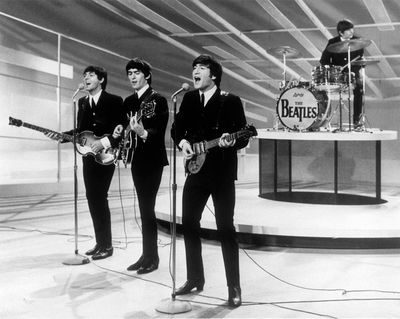
The Beatles. John, Paul, George and Ringo. The Beatles were four young musicians from the English working-class port city of Liverpool. Their achievements are nothing but changing the direction of rock music and changing youth culture. From 1962 (when Ringo Starr formed a band with John Lennon, Paul McCartney and George Harrison) to 1970 (when the quartet broke up), the Beatles were the global North Star for the hopes and dreams of the coming-of-age generation in the 1960s.
Known for traditional, well-crafted pop songs like “She Loves You” and “I Saw Her Standing There,” they soon began experimenting with more challenging instrumentation, introspective lyrics, and musical genres from folk and country to house folk and psychedelia. The Beatles were the biggest rock music innovators of the 1960s. Songs like “Yesterday,” “Eleanor Rigby” and “Strawberry Fields Forever” not only became immortal pop songs, but also changed the nature of songwriting.
Perhaps even more remarkable than the Beatles’ overwhelming success during the band’s short tenure was their continued popularity among generations born decades after the band broke up. One of the most influential musical acts in history, the band has influenced countless rock and pop artists.
Early days and the Liverpool scene
Led by Lennon and McCartney, who played together in Liverpool in 1957, the band was founded out of a shared passion for American rock and roll. Like most early rock figures, guitarist and singer Lennon and bassist and singer McCartney were largely self-taught musicians. Precocious songwriters, they assembled an ever-changing line-up of sidemen, adding guitarist Harrison in late 1957 and, for a few months in 1960, Stuart Sutcliffe, a promising young painter who brought a brooding bohemian style to the band.
After dabbling in skiffle (upbeat folk music popular in the UK in the late 1950s) and taking on several different names (The Quarrymen, The Silver Beatles and finally The Beatles), the band added drummer Pete Best and became part of the small but thriving ‘beat music’ scene, first in Liverpool and then in Hamburg in 196-2. sailors who wanted to use American rock music as the background to their vacation.
First Success: “Please”
In the fall of 1961, Liverpool record store manager Brian Epstein saw the band and fell in love. A strong believer in the Beatles’ commercial potential, Epstein became their manager and flooded major British record companies with letters and tapes from the band. He eventually won a contract with Parlophone, a subsidiary of recording giant EMI. Parlophone was managed by George Martin, a classically trained musician who had left his mark on the Beatles from the start, who first suggested that the band hire a better drummer (they chose Starr) and then arranged their second recording (and first UK hit), “Please Please Me”, changing it from a slow blast to an uptempo romp.
Beatlemania, British Invasion and wild night
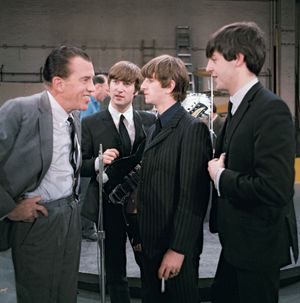

How Beatlemania redefined world culture
This trend did not start in the United States. It all started in a damp, cramped studio in England in the winter and spring of 1963. The Beatles were very busy. They ripped covers of classic American rock from BBC radio shows while cutting the originals that would eventually define their sound. But something changed in those few months.
The band’s appeal is no longer limited to young music enthusiasts. It breaks down the usual barriers of taste, class and age. Suddenly, people could only talk about their recordings and live performances. By the fall of 1963, the public hysteria was so undeniable that when the band finally appeared on British television screens, the newspapers needed a new word to describe it. They created “Beatlemania”.
At the beginning of 1964, the phenomenon crossed the Atlantic Ocean. The advent of American television created the same confusion across the pond. It wasn’t just a popular moment. This was the beginning of the British invasion. American imitations flooded the market in an attempt to capture lightning in a bottle, but it was the original act that led to the true creativity.
British invasion and cultural exchange
The British Invasion didn’t just introduce the Beatles. We featured bands like the Rolling Stones and The Who. These bands took Native American music, especially Chicago-style electronic blues, rhythm and blues, and repackaged it. They sold it to a generation largely ignorant of the ethnic and historical origins of this music.
This is a complex interaction. The Beatles became ambassadors of British culture abroad. Their unique accents, slang and style made Swinging London a global fashion capital. Music defines the sound of a rapidly changing city.
Mass media and youth earthquake
What makes Beatlemania unique is the technology behind it. 19th century musicians could start trends. Franz Liszt fans screamed. But that was before modern mass media created the possibility of collective, simultaneous hysteria.
By the summer of 1964, the Beatles were everywhere. They starred in the movie A Hard Day’s Night, which dramatized this phenomenon for the world to see. Its influence is felt all over the world. Young people around the world began to emulate the band’s long hair, vivacious humor and special, whimsical sense of reckless abandon.
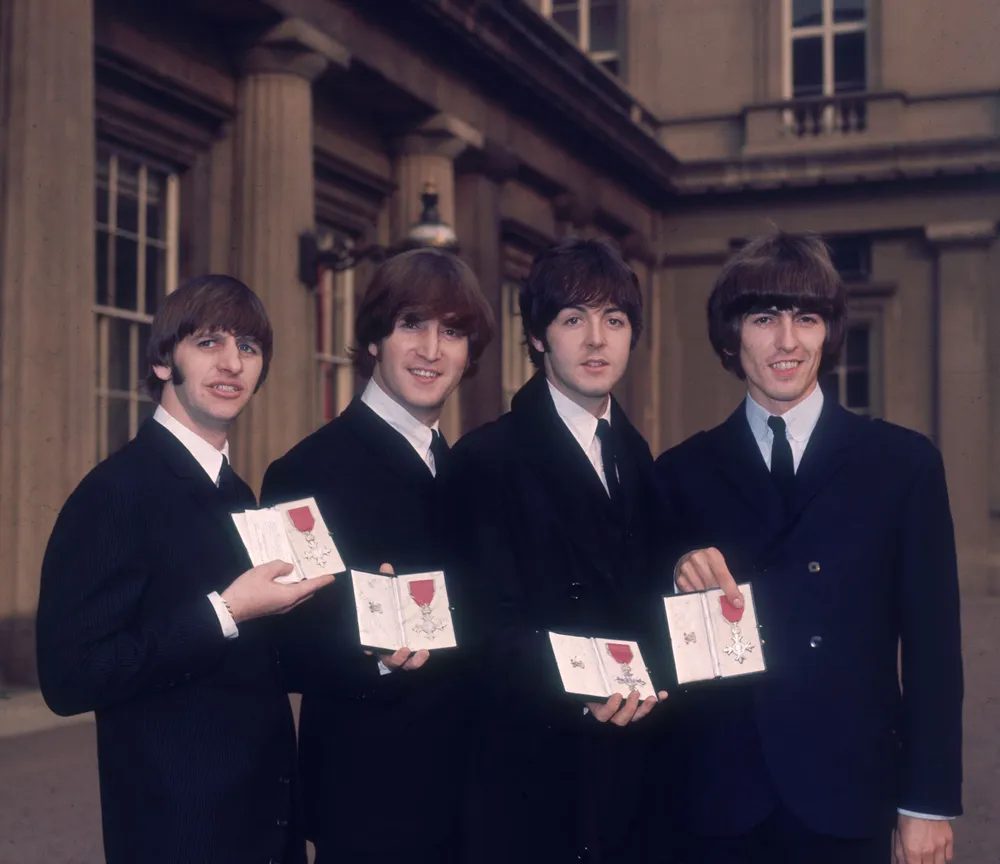
These symbols represent the “earthquake of youth”. The Beatles reflected and positively influenced the changing youth culture. The social influence was so great that it reached the highest power. In 1965, all four were awarded the Order of the British Empire (MBE). Prime Minister Harold Wilson recommended them. Previous recipients of the award, mostly veterans, briefly protested and felt their honor had been tarnished. But the medal is gone. This cultural shift is official. The world has changed, but the pop culture industry will never be the same.

Studio as an instrument
When I hear “Yesterday” playing, I think it’s just a beautiful song. this is. But that truck was a proof of concept. The great success of this ballad influenced John and Paul. It gave them the confidence that they were more than just a band playing instruments. they are architects.
Before 1965, rock music was widely considered teenage entertainment. Simple punchlines. Simple lyrics. The Beatles changed that assumption overnight. From 1965 to 1967, the band’s output not only evolved; It mutated.
The change was quick. The music evolved. It gets complicated. Things get really weird.
Take, for example, “Norwegian Wood” from late 1965. This mystical ballad brought the sitar into the pop mainstream. This is more than just a novelty. It’s the breakthrough. Suddenly, the limits of what a four-piece band could do in the studio were expanded.
Then came 1966. “Tomorrow Never Knows”.
This is not a song you would hum on the way to school. This is a hard rock journey full of fantasy lyrics. Quoted directly from “The Psychedelic Experience” by Timothy Leary. This is the script for LSD. The Beatles sat in a London studio while recording the Head Trip soundtrack.
Their producer George Martin was the driving force behind this madness. You can read more about Being for the Benefit of Mr. Kite! in “Benefits”. I heard a voice. In 1967.
The band’s studio work from this era is a masterpiece of technical wizardry.
Lennon gave him stream-of-consciousness lyrics that sounded like a carnival poster for Hell. Martin takes advantage of this chaos and builds a soundscape out of it. He doesn’t just play instruments. He edits reality.
He made strings for the harmonium. He chopped them randomly. he put them together.
The result is a carnival-like soundscape that stands out and falls apart. This was the pinnacle of experimentation in the psychedelic era.
It’s not just about writing better songs. It’s about treating the tape machine as an instrument. The buzz around “Yesterday” gave them the confidence to use the studio as a canvas. They no longer performed on stage. They started playing in front of the speakers.
The teen genre is over. Instead, something more complex and dangerous is coming.

By 1966, the Beatles had turned their backs on touring. They were tired of screaming fans and grueling tours. Instead, they returned to the studio to push the boundaries of recording technology. This creative explosion culminated in June 1967. Sgt. Pepper’s Lonely Hearts Club Band*. This is more than just an album. This is a cultural event. Young people around the world saw this as proof that the band was untouchable and that the decade’s utopian ideals were a reality.
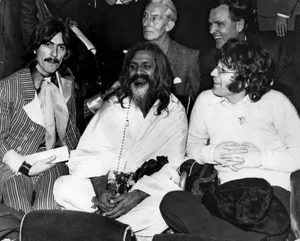
The Beatles weren’t just musicians anymore. They became representatives of the new counterculture. Fans consider them symbols of hedonism and unrestrained experimentation. This is not limited to music. Members explored mind-expanding substances such as LSD. Under the guidance of Maharishi Mahesh Yogi, they also practiced spirituality, especially Transcendental Meditation.
Reinventing a rock classic
The band effectively rewrote the rules of rock and roll. They looked to American artists who had come before them for inspiration. The list of influences includes early rock figures such as Chuck Berry, Little Richard, Fats Domino and Elvis Presley. They praised the Everly Brothers, Buddy Holly and the songwriting duo of Jerry Leiber and Mike Stoller. In 1964, Bob Dylan joined the ranks of icons, bringing his upbeat, folk-influenced style to the mix.
These characters became “classic” models for a new generation of rock musicians. But the Beatles didn’t just copy. They expanded the genre’s range of expression. Their tight harmonies are complex. The arrangement is strange. The production process is very clever. All of this is supported by Ringo Starr’s steady, no-nonsense drumming. They set a new standard for sounds and effects in rock music.
Apple Records and Abbey Road
After 1968, things changed. Student demonstrations also occurred in Mexico and France. The Beatles quietly relinquished their role as the de facto leaders of world youth culture. However, it is still popular. Their reputation was second to none at the time and is still intact today.
In 1968, they founded Apple Records. The goal was to promote experimental pop art and commercial entrepreneurship. This is a disaster. In addition to the band’s own work, the label caused confusion and commercial failure. They were recording the whole time. The following year Abbey Road arrived. The album quickly became one of their most popular and best-selling albums.
The end of the dream
Magic cannot last forever. The tension that had simmered beneath the surface finally boiled over. The dream broke. The dream is over. A few years later, the story takes a tragic turn. John Lennon’s death would be a heartbreaking final chapter in the band’s legacy that changed everything.
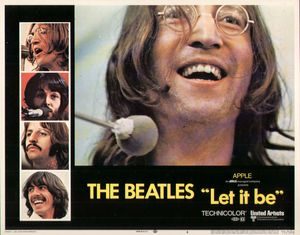

It’s not just about creative differences. This is personal. And it’s ugly.
The pressure of carrying the dreams of an entire generation has finally broken through the surface. Lennon and McCartney, once the driving force behind the band’s collaboration, became embroiled in petty disputes. The studio was rife with accusations of cheating. Money changes everything. Millions of people are at risk. The utopian image they promoted, a carefree youth culture, collapsed under the weight of their new reality as pampered plutocrats.
By the spring of 1970, the Beatles had broken up for good.
Solo career: successes, failures and successes
The latter did not break the silence completely. It’s a struggle.
Lennon was very creative. With his new wife, Yoko Ono, he channeled his pain into a series of caustic songs. It’s raw. That’s true. It’s not for everyone, but that’s my honest opinion.
McCartney chose another path. He formed Wings. result? A series of commercially successful records in the 1970s. He keeps the machine running. It worked.
Starr and Harrison also found their footing. Both found individual success early on and proved themselves to be more than just bench players. They are artists in their own way, even if the spotlight has shifted.
John Lennon’s murder
John Lennon’s story does not end with his farewell tour. It ended in violence.
In 1980, John Lennon was murdered in the Dakota suburbs of New York. The fan turned stalker pulled the trigger. The building, famous for housing celebrities, became a crime scene.
The world was shocked. Worldwide mourning ensued. He is also mourned by people who weren’t even born when the band was founded. This is cultural trauma.
Yoko Ono transforms sadness into space. He landscaped Strawberry Fields, part of Central Park, directly across from the Dakota River. It will be a lasting memory for my husband. A place for reflection. Quiet place.
Why is separation important?
The Beatles breaking up wasn’t just a business decision. This is the end of an era. The tension between their symbolic status and real wealth created a gulf that could not be healed.
The death of John Lennon in 1980 finally cooled these tensions. This allowed the remaining members to rise to fame without the backbone of the band.
McCartney continued his tour. Harrison found peace of mind. The star became a beloved television personality. But the collective magic was gone.
The quality of individual projects varies. Some are wins. Others were forgotten. But they are all attempts to reconstruct something from the fragments.
Does the world miss the Beatles or does it only miss them?
Probably both.
The music is still there. These conversations are history. The mystery remains.
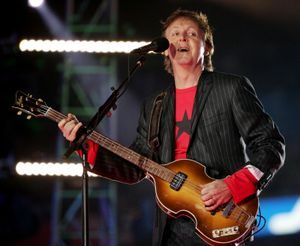


Even years after John Lennon’s murder in 1980, the remaining Beatles did not quiet down. they just broke up. Paul McCartney is still very active. Although he releases a pop record every few years, he doesn’t forget about other artistic avenues. Completed “Liverpool Oratorio” in 1991. Two years later he directed Standing Stone. By 1999, the “working classics” had emerged. He is not happy with the status quo. He is building a list of serious classics. In 1997, Queen Elizabeth II knighted him. Dear Paul. I think he deserves to be a shaper of modern music.
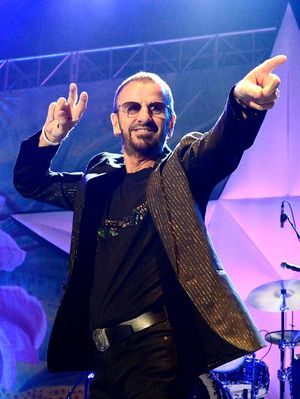
Ringo Starr brings the party to life. He tours every year with the All-Star Band. Rock veterans take turns performing. They performed their hits on the summer tour. The star is still visible. He didn’t retreat into the shadows.
George Harrison had a different rhythm. Since 1988 he has performed with Bob Dylan, Tom Petty, Jeff Lynne and Roy Orbison. They call themselves the Traveling Wilburys. It is a loose collection. However, in the 80s and 90s, Harrison kept a low profile as a musician. He moved into film production. He has produced several successful films. Then in November 1999, he was injured in a knife attack at his home. he survived. In 2001, however, he battled cancer. It was deafening silence.
Before that tragedy there was one last bridge. McCartney, Harrison and Starr joined Lennon’s archive in the early 1990s. They added backing vocals to two previously unreleased vocal recordings. This is a ghost collaboration. These new Beatles songs became an excuse. A reason to be in the spotlight again.
Their goal is a massive propaganda attack. target? Create a market for large archival projects. The result was The Beatles Anthology. The album was released on six CDs in 1995 and 1996. It comes with a 10-hour licensed video documentary. It is very richly prepared. This is almost historic. It’s like digging up the past and polishing it until it shines.
“The Beatles Anthology… a six-disc collection that complements the 10-hour licensed video documentary of the same name.”
It worked. The nostalgic engine is brought back to life. Then came the year 20001. A collection of the band’s No. 1 singles. It topped the charts around the world. This reminds us why they were so important in the first place.
Your legacy isn’t just the music you leave behind. What matters is how you handle the silence that follows. The Beatles didn’t just die. They planned a retreat.
A legacy that will never fade
The fever subsided, but the scars remained. The chaotic energy of Beatlemania may have cooled in history, but its cultural footprint is firmly fixed and preserved for posterity with an almost religious reverence. The chronology is like a biography, recalling greatness not just as a band, but as an individual. The band itself was inducted into the Rock and Roll Hall of Fame in 1960, followed by a solo career. John Lennon was inducted into the Hall of Fame in 1994, Paul McCartney in 1999 and George Harrison in 2004. What if Ringo Starr was also inducted? He was elected to the Hall of Fame in 2015.
The group was founded in 1960, but each member formed separately over the next 20 years.
Changes in technology keep the music fresh. In September 2009, the digital world of fans changed. At the same time, a special digitally remastered version of the entire Beatles catalog will be released. Meanwhile, a Beatles-themed version of “Rock Band” was released, allowing a new generation of drummers to join “Back in the USSR” and play guitar on “While My Guitar Gently Weep.” This is not just nostalgia. This is an cultural legacy.
Save Abbey Road
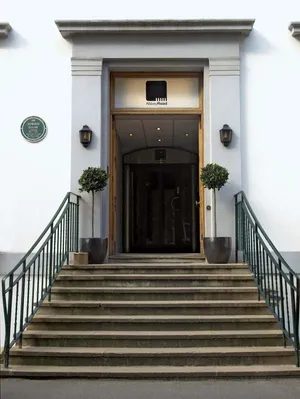
In early 2010, the physical sanctity of their work was at risk. EMI, which owns a huge record catalog, is in trouble. The struggling company is reportedly looking for a buyer for Abbey Road Studios. This is more than just a studio. Most of their recordings were made here. The British government intervened. The Ministry of Culture, Media and Sports has designated the recording building as a historical monument. This move was decisive. This suggests that the location is too important to sell to the highest bidder. EMI withdrew. They announced that they would retain ownership. The goal has shifted from liquidating assets to looking for external investments to updating equipment.
The 21st century renaissance
Its popularity did not decline sharply even in the 21st century. It remains stable. Paul McCartney stadiums around the world are still sold out. That connection continued when his album topped the charts. Take McCartney III, released in 2021, for example. The theme of this album is a nostalgic atmosphere. The song list also includes a duet with Ringo Starr. The lyrics explore the early days of McCartney, Lennon and Harrison. This is the first collaboration.
Filmmakers and biographers have discovered the Beatles’ mythic beginning and complicated end. There are plenty of raw material sources. Peter Jackson’s 2021 documentary series The Beatles: Get Back focuses on the era surrounding their final rooftop concert. It was generally praised by critics. Capture the excitement and creativity without hiding the friction.
Looking ahead, the story continues. A series of four biopics is slated for release in 2028. Each film will focus on the Beatles. Directed by Sam Mendes. This is a difficult task. Four films. A unified legacy. The legacy they are famous for is still being developed. In fact, it has been celebrated. It’s not a question of whether the world cares anymore. That’s how deep their influence runs.
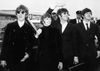


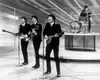



It’s a quote that still resonates in the pop culture history books. This quote rocked the internet before it even existed. John Lennon’s infamous speeches didn’t just spark outrage in 1966. They recreate memories of the band’s early days. But is he really saying that they are more popular than Jesus? What does this confusion tell us about their culture?
Let’s look at the facts. This debate did not start in Britain. It started in the United States. Chicago teen magazine Datebook interviewed John Lennon. His exact words were that the Beatles were “now more popular than Jesus”. He did not make a theological statement. He observes cultural changes. He believed that Christianity was in decline. The Beatles were at the height of their success. He sees them as youth leaders. He believed the church was becoming irrelevant.
The backlash that brought the band to the brink of collapse
The reaction is immediate. Radio stations banned his record. Chicago, Illinois hosts a record-breaking Beatles bonfire. Some groups are threatening to cancel concert dates. The Ku Klux Klan even issued death threats. This is not just a mild disapproval. It’s a perfect cultural storm.
Lennon tried to make this clear. Weeks later, he told British reporters that he regretted the incident. He said he didn’t mean to offend anyone’s beliefs. He admitted that he was in disbelief. However, the damage was done. The band stopped. They ended the tour. They returned to the studio to record “Revolver”. The world has changed. Their childhood innocence is gone.
Who was involved in the British invasion?
This is not just text. This is about movement. In the mid-1960s, the British invasion spread to America. The Beatles led the way. But they are not alone. Bands like The Who, The Kinks and The Animals crossed the Atlantic. They brought new sounds. a new source of energy.
“The Beatles didn’t just open the door. They kicked it down and were there the whole party.”
This movement changed American music forever. The focus shifted from rock pioneers such as Chuck Berry to a new British band. These bands composed their own songs. they play their instruments. It looks different. they behave differently. The Beatles were the epitome of this change. Their influence extends beyond music to the world of fashion. Enter the scene. Understand how young people view authority.
7 historical figures in Beatles lyrics
Lennon and McCartney didn’t just write about love and girls. They put history in their songs. If you listen closely, you can hear echoes of the past. In the introduction, seven characters appear in the lyrics.
- Jesus Christ – Of course He is there. But usually as a metaphor. Not necessarily as God. Sometimes as a symbol of love or sacrifice.
- Napoleon Bonaparte – Mentioned in The Glass Onion. Lennon used him as a self-reference. How to laugh at your own reputation.
- George Washington – President of the United States. Also quoted in “The Glass Onion”. Lennon cherished the idea of national identity.
- Carl Jung –
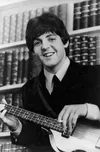



The Beatles, The Supremes, The Elite Ten
If you look back at the history of the pop chart, 10 no. 1 singles are more than just a milestone. This is a club. A very unique, very old and surprisingly small club. We’re talking top-level commercial dominance that goes beyond an artist with hits here and there. They are highly motivated. They have cultural control. For decades, crossing that threshold meant you became part of history.
If we remove the noise and look at the hard data, the list looks like this:
British Invasion Titan
It all inevitably starts with the Beatles. The Beatles hold the record for the most number one singles in the US by a British group, in their first seven years. But they are not alone. The Rolling Stones also broke double figures, and although the road was rocky, they relied on the sheer power of their live fame to push their singles to the top.
And Elvis Presley. Before he was a cultural icon, he was a chart maker. His 18 number one singles were released over almost three decades. Longevity is a real thing. He didn’t just make it to the top; He keeps coming back.
R&B and soul
This list wouldn’t be complete without acknowledging the creators of rhythm and blues. Aretha Franklin had two chart toppers. Stevie Wonder has nine. But the real stalwarts of this class are the Supremes. The most successful girl band of all time, they had 12 number one singles between 1964 and 1969. Diana Ross was the vocalist, but the backing vocals were their driving force.
Whitney Houston follows with seven. Her voice is a weapon. When she reaches the top, it feels inevitable. Mariah Carey took a different approach. She relied on physics-defying vocal techniques to produce 13 No. 1 singles. In the early ’90s, she was arguably the most powerful pop star of all time.
The benefit of pop and dance
In the field of pure pop music, Madonna holds the most No. 1 singles by an American solo artist, with 12 songs. She reinvents herself every few years and continues to second-guess the charts. Janet Jackson is a close second at number five, but her impact on dance-pop is immeasurable.
Beyoncé has six solo number ones and Destiny’s Child. But the true master of the pop world is Katy Perry. With five number one songs, she has mastered the art of stadium anthems. “Roar”, “Dark Horse” and “I Kissed a Girl”. They are simple. They are fascinating. they worked.
Crossover with King of Country
Garth Brooks is the king of country music sales, but in pure number one singles, George Strait holds the record for most number one singles by a country artist, with 14 singles in total. He doesn’t follow trends. he just sings.
Elvis Presley and The Beatles are the only bands that can cover multiple genres at this consistent level. Michael Jackson is in his own league. He crossed the divide between rock, pop, R&B and dance with 13 number one singles.