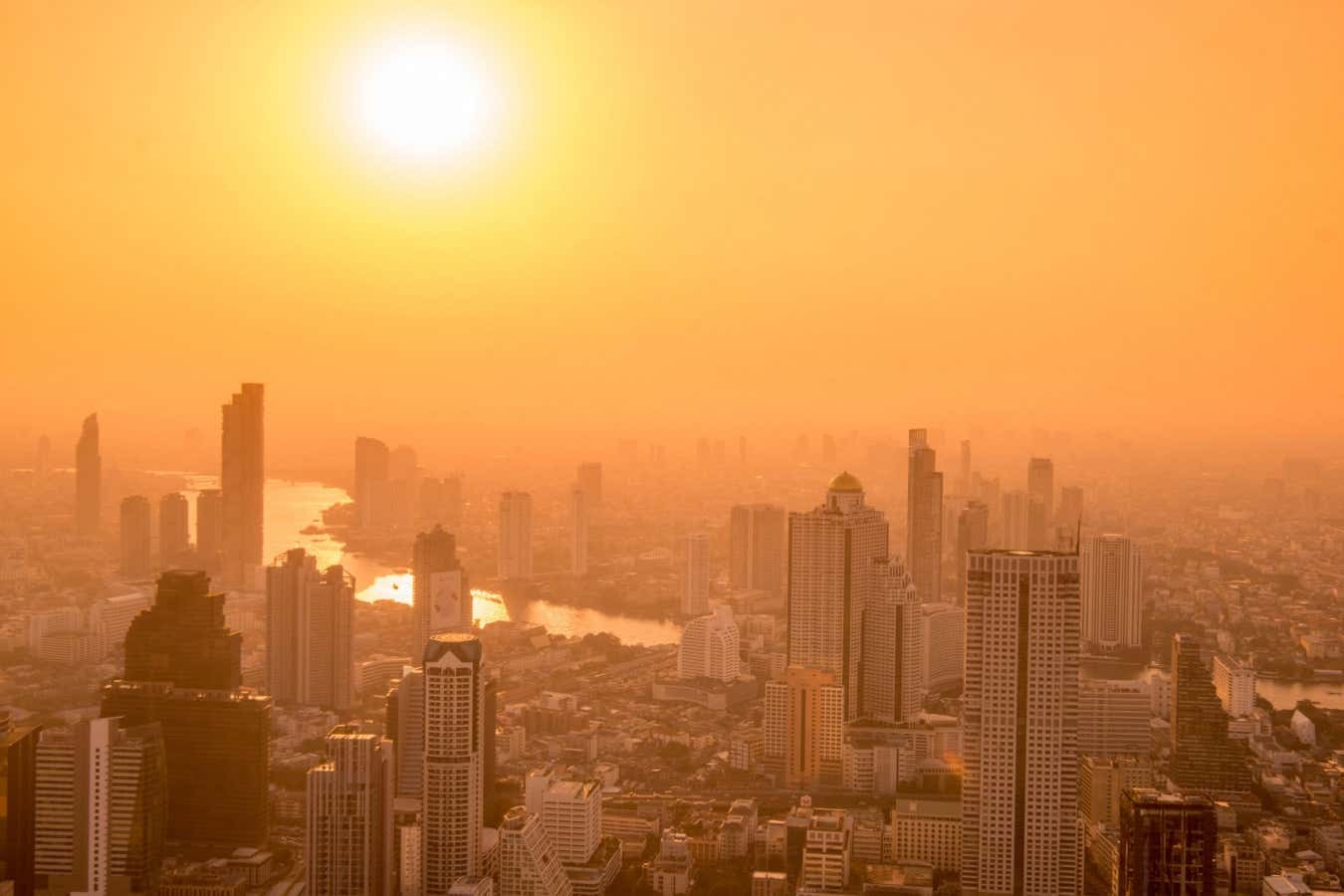
Hum wins the big Climate Fiction prize this year. Not bad for a story about a mother trying to save her kids from their screens in a city that is slowly boiling alive.
Helen Phillips takes home £10,000 and a trophy backed by Climate Spring. The goal? To spotlight stories that actually engage with climate change instead of pretending it isn’t happening. Abi Daré won in 2025 for And So I Roar, but this year Phillips beat out Susanna Kwan’s river-logged San Francisco in Awake in the Floating City and Maria Reva’s tale of a nearly extinct snail in Endling.
Judges were impressed. Really impressed. Friederike Otto from Imperial College London called the book out on the one thing paralyzing climate action: privilege.
“It destroys your opportunities and human rights,” Otto said.
Her fellow judge Jessie Greengrass liked it because the book admits how messy anxiety is. There is no right answer here. Every choice hurts.
The seed of the nightmare
May, the protagonist, has two kids. They are hooked on their devices. She doesn’t have money for much, let alone an escape, so she spends everything she doesn’t have to get them to an urban oasis.
Real nature. Real quiet.
The world is filled with hums. Superintelligent robots. They live among the humans now.
So where did this idea come from? Dish rags.
Phillips was walking home. Thinking about needing new sponges. Just a tiny, idle thought. She gets home. Her computer shows her an ad for dish rags.
Spooky? Yes.
But she didn’t just want spookiness. She wanted the extreme version. What happens when an algorithm doesn’t just guess? When it knows enough to cause you harm?
“Writers take inspiration from anxiety. My anxiety is my greatest source. I’m grateful for it, I suppose.”
She channeled that fear of being watched into May’s world. Climate change. Surveillance. AI. All of it swirling together.
A machine in the book tells May: “You know the world is damaged… You want to prepare them for the_future_, but you’re scared to picture it.”
How many of us feel that? We do. But May is ahead of the curve. She has already seen the curve bend too far.
Stealing the line
There is a brutal line in Hum about advertising.
“The goal of advertising is to rip a hole so it can then fill with plastic.”
Severe? Yes. True? Also yes.
It belongs to Phillips. Well, sort of. Her colleague Professor Ken Gould at Brooklyn College said it during an interview. She liked it so much she put it in the mouth of a robot. Readers remember it. It stings because it is right about how consumption eats the planet.
This book has 12 pages of notes. Why? Because Phillips had to research the future to process her own fears. She read Elizabeth Kolbert. She looked at sociology and climate data.
It reminds people of Margaret Atwood. The Handmaid’s Tale. Atwood said every horror in that book existed already somewhere in the real world.
Phillips believes the same about Hum. It is not fantasy. It is extrapolation. An exaggeration of today.
When is now?
She wouldn’t pin it to a year. That would be limiting.
Instead, she looks at the age of the parents. They remember a time without all this tech. The children? They live in a completely different reality than their grandparents. A different reality than each other.
Society is at a hinge point. Broken. Transitioning.
May wants connection. She lost her job to AI. The air is bad. The environment is failing. She tries to reach her partner Jem. She tries to reach her kids. She tries to reach herself.
Nothing sticks.
The whole book is her being thwarted. And then, quietly, without giving it all away, inching back toward contact.
Do stories fix anything?
Grace Chan wrote Every Version of You. Readers say those books make them want to run outside and touch a tree. Phillips wants that too.
Cherish what is left. Don’t assume it will be there tomorrow.
Did she write it to teach us? To show the way?
“I don’t think you set out to teach people. You just put a family in motion. Show the reaction.”
Art is not an instruction manual. It is a question. It gets people thinking. That is enough. Maybe it is more than enough.
Has she always written about the end of the world? Sort of. Since her 2011 book And Yet They Were Happy. Anxiety has been the fuel since then.
So what now? Can May’s world be avoided?
Phillips says yes. But only if we stop looking at screens for a second and look at each other.
Perceive humanity. Connect. That is the first step. Everything else follows from there.