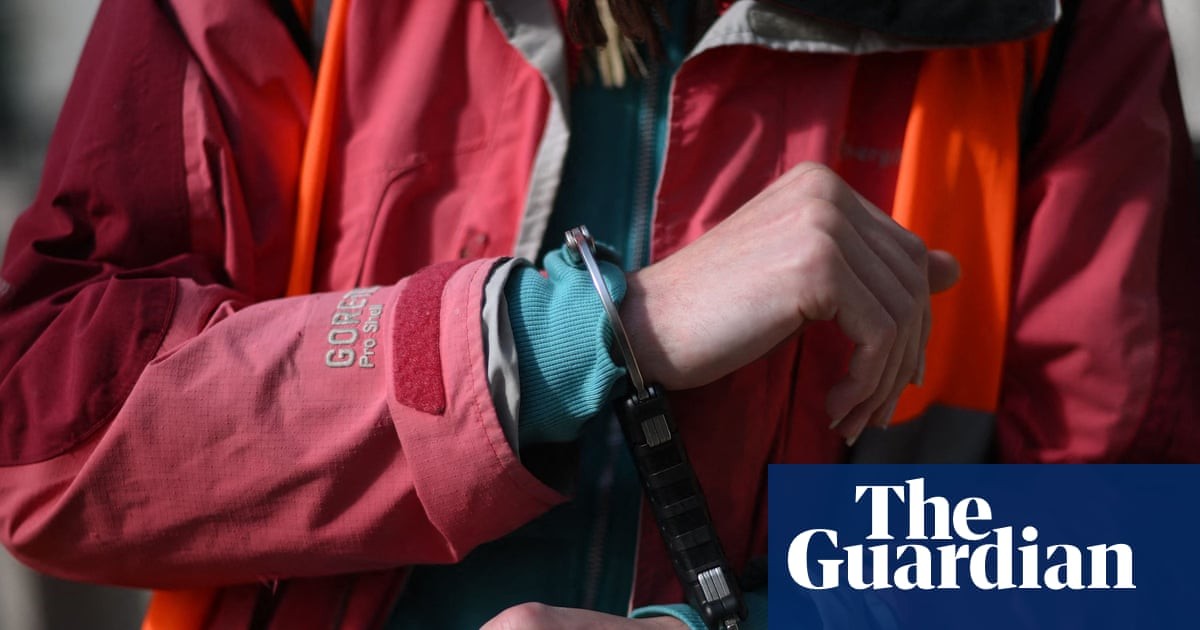
A new study involving over 1,300 campaigners suggests that the UK government’s aggressive legal crackdown on climate activists may be achieving the opposite of its intended effect. Rather than deterring disruptive demonstrations, the use of arrests, fines, and prison sentences appears to be radicalizing activists and driving them toward more covert, potentially more damaging, forms of action.
The Psychology of Repression
The research, published in Nature Climate Change, highlights that the impact of state repression is not uniform; instead, it depends heavily on the emotional response of the protesters.
The study identified three distinct psychological trajectories among activists:
- The Desensitized: Those who have already experienced arrest, fines, or surveillance reported feeling less fearful of future disruptive actions.
- The Galvanized: Activists who anticipate repression but react with anger or contempt are more likely to intensify their commitment to future protests.
- The Deterred: A smaller group whose intention to protest weakens due to an increased sense of fear.
“When people start to feel contempt, they tend to feel they don’t have to comply to the norms and rules anymore,” explains Dr. Nicole Tausch of the University of St Andrews.
This sense of contempt is a critical turning point. When activists feel the legal system is unjust, they often lose their sense of obligation to follow societal rules, viewing the state as an adversary rather than a mediator.
From Roadblocks to Sabotage?
One of the most concerning implications of the study is the potential shift in protest tactics. Researchers suggest that as legal avenues for “peaceful” but disruptive protest (like blocking roads) become increasingly criminalized, activists may move toward covert and destructive actions.
Sunniva Davies-Rommetveit, also from the University of St Andrews, noted that repression may be a primary driver behind recent incidents of sabotage, such as the cutting of internet cables. By closing off legitimate—albeit disruptive—ways to express discontent, the state may inadvertently push movements toward more clandestine and harder-to-manage forms of direct action.
The UK Context: A Growing Divide
The UK has become a focal point for this tension. Recent legislative changes have limited the ability of protesters to use “reasonable excuse” or climate-related facts as a defense in court, with some facing prison sentences of up to four years.
The scale of enforcement in the UK is notably high:
– UK Arrest Rate: 17% of all climate protests between 2019 and 2024 resulted in arrests.
– International Average: 6.3%.
This high rate of intervention exists alongside a significant disconnect between the government and public opinion. While a University of Bristol poll found that 68% of the British public disapproves of the disruptive tactics used by groups like Just Stop Oil, there is much less consensus on punishment. Only 29% of the public believes imprisonment is the most appropriate response, with many favoring fines or no punishment at all.
The Government’s Stance
The Home Office maintains that its actions are necessary to balance democratic rights with public order. A spokesperson stated that while the right to protest is fundamental, demonstrations must not cross the line into “serious disruption” or “intimidation,” and that police require robust powers to manage such disorder.
Conclusion
The research suggests a growing friction between climate activism and state enforcement. If the goal of legal intervention is to reduce disruption, the current strategy of heavy criminalization may be counterproductive by fostering a “shared identity” of resistance and pushing activists toward more extreme, covert methods of sabotage.