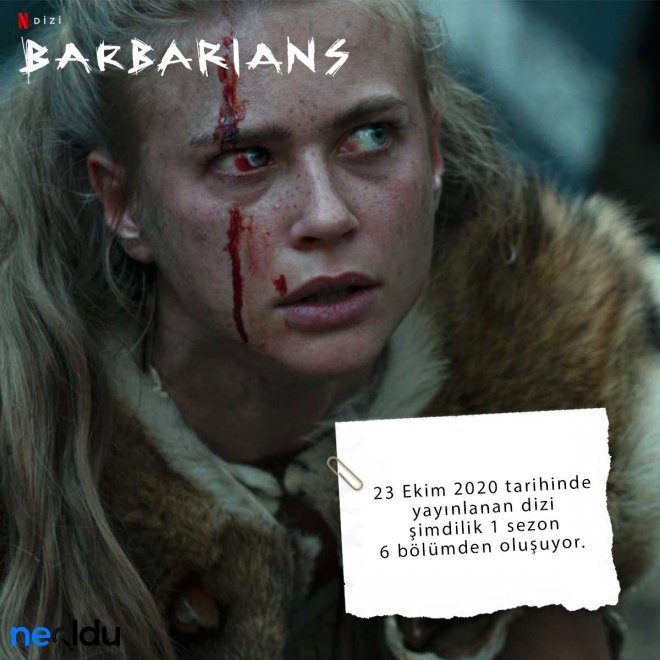
Netflix’in Almanya’dan getirdiği Barbarians dizisi, tarihi aksiyon sevenler için tam bir tat. 23 Ekim 2020’de başlayan seri, o güne kadar sadece tek bir sezon ve toplamda altı bölümden oluşuyor. Her bir bölümün yaklaşık 46 dakika sürmesi, bu epik hikayenin hızlı tempolu ve sıkıntı yapmayan bir akışla ilerlediğini gösteriyor.
Kimler Oynuyor ve Konu Ne?
Dizinin çekirdeğinde, MS 9 yılında gerçekleşen Tarihi bir gerçeklik yatar: Varus Ormanı Savaşı. Romalı general Publius Quinctilius Varus’un üç lejyonu, Cermen kabileleri tarafından pusuya düşürülüp yok edilir. Bu büyük yenilgi, Romalıların Avrupa’ya olan hırsını bir süreliğine durdurur.
Hikaye, bu tarihi çatışmanın arka planına, özellikle iki kültürün kesiştiği o hassas noktaya odaklanır. Romalı yöneticiler ile isyankar Cermen kabileleri arasında geçen bu dram, sadece kılıç seslerinden ve kan kokusundan ibaret değil. Aynı zamanda aşk, ihanet ve kimlik arayışını da barındırıyor.
Dizideki güçlü oyuncu kadrosu, bu karmaşık karakter ilişkilerini yüzeyde tutuyor. Clive Standen gibi oyuncuların yanı sıra, yerel Alman yetenekleri de hikayeye derinlik katıyor. Karakterlerin her biri, kendi çıkarları ve hayatta kalma içgüdülerini korumaya çalışırken, büyük tarihsel değişimin içinde kaybolup gidiyorlar.
“Tarihsel detaylar ile insan drama’sının mükemmel bir sentezi.”
Neden İzlemelisiniz?
Sadece bir savaş dizisi olarak paketlenen Barbarians, aslında çok daha fazlasını sunuyor. Romalı işgalcilere karşı verilen direnişi, kişisel trajediler üzerinden anlatması, izleyiciyi duygusal olarak da içine çekiyor. Karakterlerin motivasyonları, sadece “iyi” veya “kötü” olarak sınıflandırılamayacak karmaşıklıkta.
Dizinin görsel efektleri, dönemin atmosferini yansıtması konusunda başarılı. Toprak kokan setler, gerçekçi kostümler ve yoğun aksiyon sahneleri, sizi MS 9 yılında, Kuzey Almanya’nın karanlık ormanlarına götürüyor.
İzleyici yorumları, dizinin tempolu yapısından ve karakter gelişiminden oldukça hoşnut. Özellikle ilk birkaç bölümden sonra hikaye kendine has bir ritim buluyor ve bırakmak zor geliyor. 46 dakikalık bölümler, kısa gelmeyecek kadar yoğun bilgi ve aksiyon içeriyor.
Detaylı Bilgi ve Kadro
Dizinin yapımcıları, tarihi kaynaklara sadık kalmaya çalışırken, dramatik
Netflix Fragmanları Niçin Bu Kadar Çok İzleniyor?
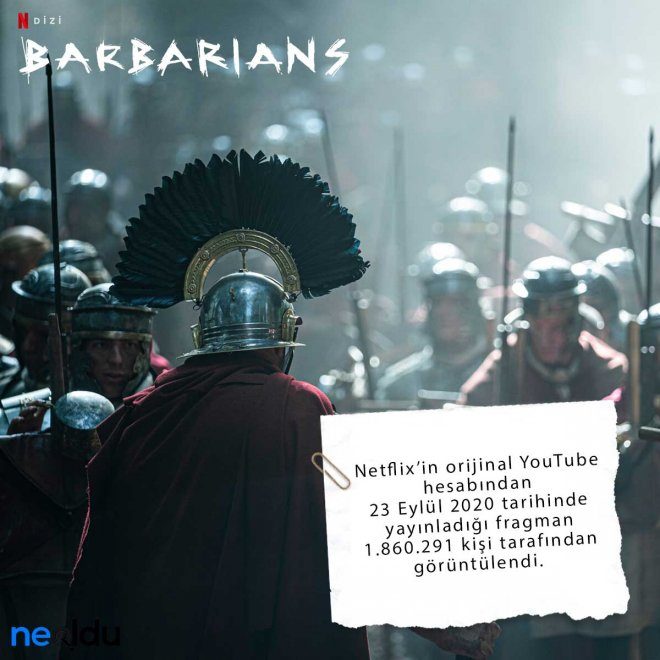
Veriler hepimizi şaşırtmıyor. Netflix, YouTube’daki resmi hesabından 23 Eylül 2020’de yayınladığı fragmanı 1,860,291 kişi izledi. Bu rakam, platformun kitleye nasıl ulaştığının net bir göstergesi.
Peki ya 12 Ekim 2020 tarihli ikinci fragman? Bu seferki görüntülenme sayısı 1,142,501’e geriledi.
Her iki fragman da yine Netflix’in orijinal kanalından yayınlandı. İki tarih arasında geçen sürede izleyici ilgisinde bir düşüş var. İlki, merakı en üst düzeye çıkardı. İkincisi, zaten çoğu kişinin izlediği içerikle ilgiliydi.
“Netflix, fragmanlarını stratejik tarihlerde ve resmi kanalından yayınlıyor.”
İzleyici davranışlarına bakıldığında, ilk fragmanın etkisi daha kalıcı oldu. İkinci fragman, ilkine oranla daha az etkileşim aldı. Bu durum, marketing stratejilerinde zamanlamanın ne kadar kritik olduğunu gösteriyor.
Netflix, bu verileri analiz ederek sonraki kampanyalarını şekillendiriyor. İzleyicinin ilgisini canlı tutmak için her fragman, bir öncekinden farklı bir yaklaşım gerektiriyor.
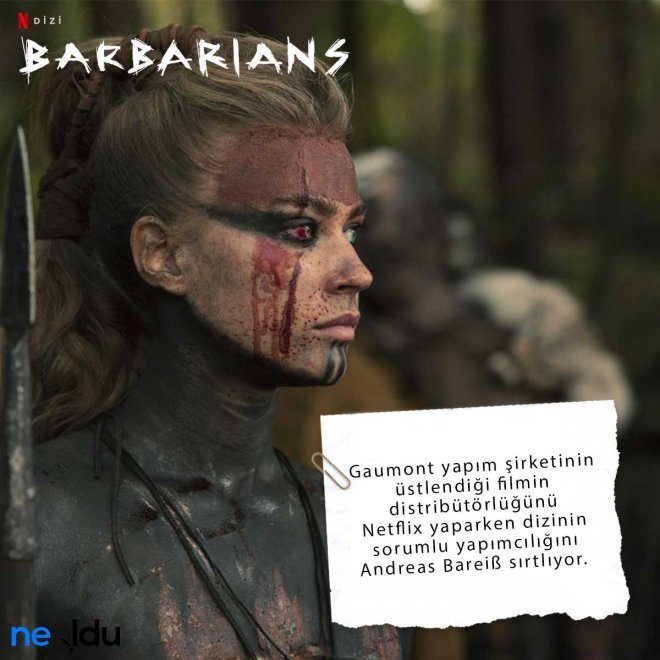
Netflix handles the distribution for this Gaumont production. Andreas Bareiß oversees the series production. Creators Jan Martin Scharf and Arne Nolting bring experience from over fifteen previous projects.
The heavy hitters behind the Barbarians cast
You already know the plot. Now meet the faces carrying the weight of it. The ensemble for Barbarians is stacked, blending established European TV veterans with actors ready to break out.
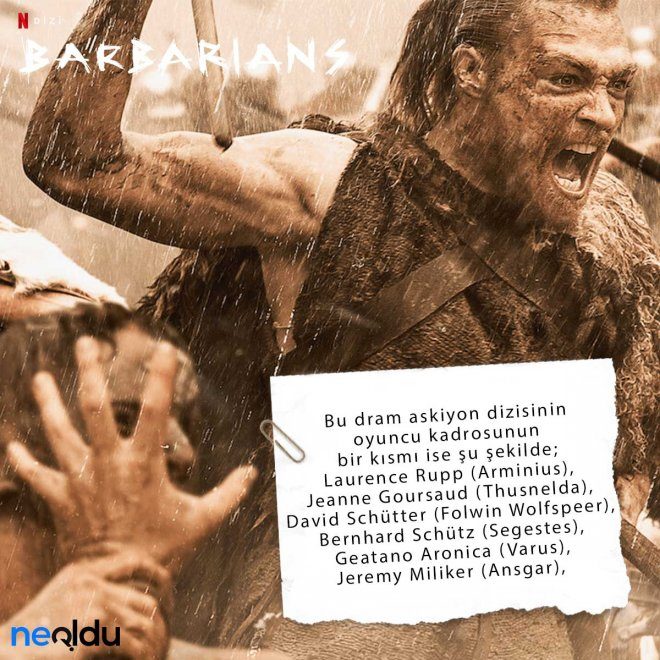
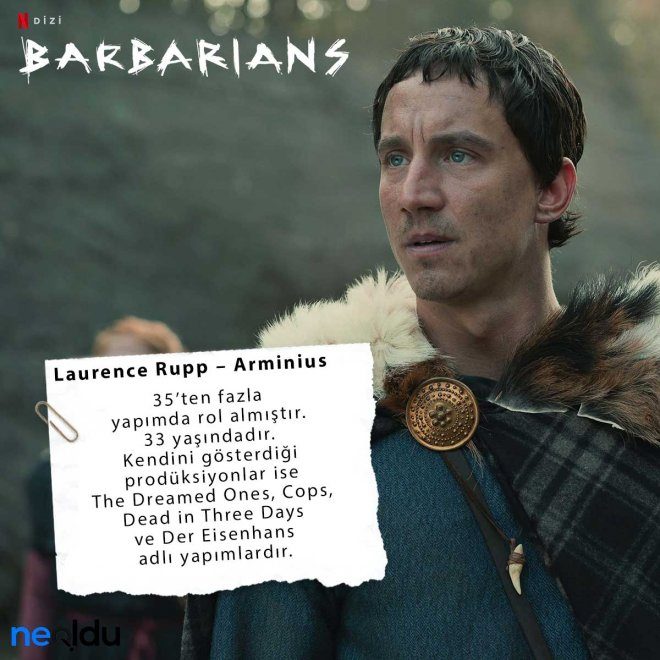
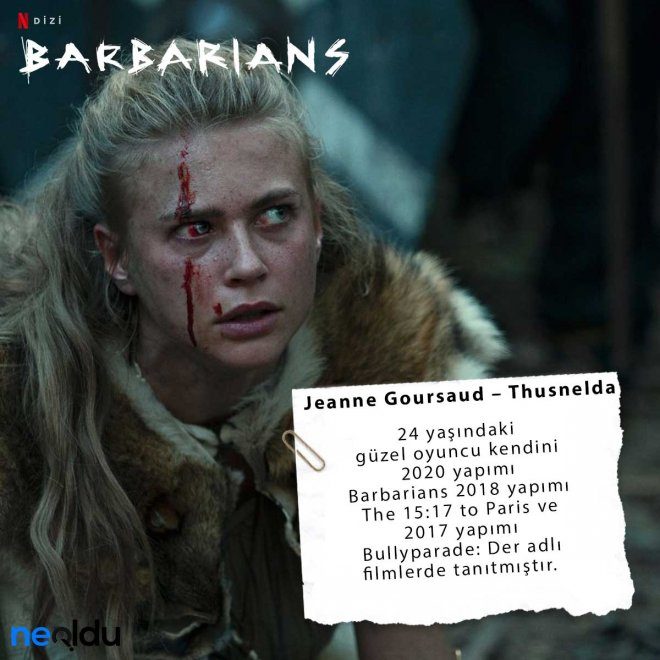
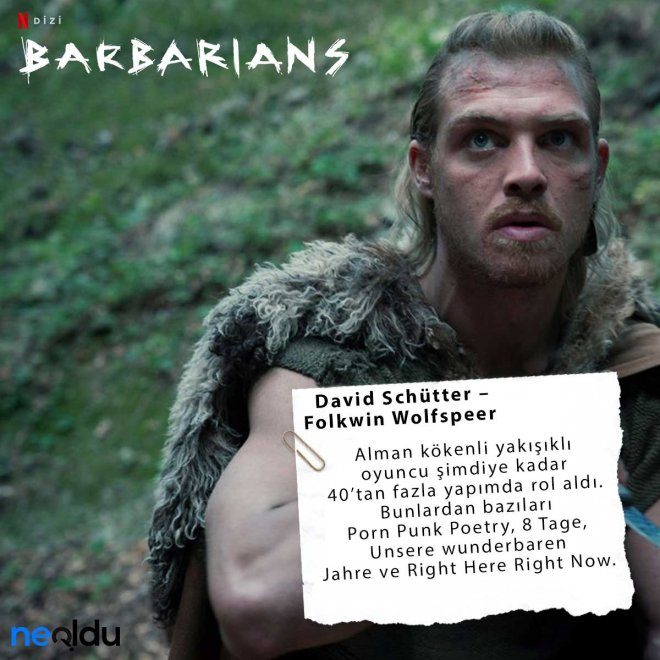
Laurence Rupp anchors the Germanic side as Arminius. He’s not just a brute; he’s the strategist driving the conflict. Opposite him, you have Jeanne Goursaud as Thusnelda, Arminius’s wife, whose personal stakes fuel the political fire. Then there’s David Schütter as Folwin Wolfspeer, adding that crucial layer of tribal loyalty and internal conflict.
On the Roman side, the pressure is equally intense. Varus is played by Gaetano Aronica, portraying the governor who underestimated his adversaries. His authority is challenged by Bernhard Schütz’s Segestes, a chieftain caught between two worlds. Jeremy Miliker brings youthful energy as Ansgar, while Eva Verena Müller appears as Irmina, grounding the story in the domestic reality of the time.
The supporting cast rounds out the world with specific, memorable roles. Nikolai Kinski steps into the boots of Pelagios. Matthias Weidenhöfer plays Golmad, and Sergej Onopko brings depth to the character of Hadgan. Each name matters. Each face represents a faction. It’s not just history reenacted; it’s personalities clashing in real-time.
Varus Savaşı ve Barbarians’ın Gerçekçi Yaklaşımı
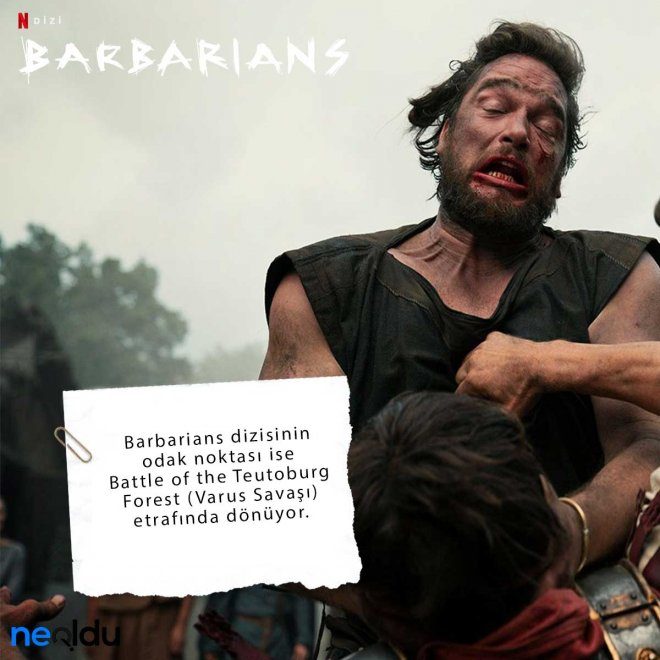
Beşinci bölümün merkezi, tarihin akışını değiştiren o kritik an: Teutoburg Ormanı Savaşı. Romalıların tarihi adı Varus Savaşı olarak da bilinen bu çatışma, imparatorluğun kuzeydeki genişleme hamlesini sert bir şekilde durduran anahtar nokta.
Dizi, sadece büyük çaplı savaş sahnelerini değil, bu olayın ardından gelen diplomatik gerilimleri ve kültürel çatışmaları da gözler önüne seriyor. Yapım, tarihsel belirsizliklere takılı kalmak yerine, dönemin siyasi dinamiklerini ve taraflar arasındaki gerçekçi ilişkileri ekrana taşıyor. Romanın askerî üstünlüğü ile kabilelerin yerel avantajları arasındaki gerilim, izleyiciye somut bir şekilde yansıtılıyor.
“Büyük Roma’nın ilerlemesini durduran bu savaş, sadece askeri bir yenilgi değil, aynı zamanda bir kültürel sınırdır.”
Seri, o dönemdeki güç dengesizliğini ve Roma’nın toprak kazanma çabalarının neden başarısız olduğunu, karakterlerin iç dünyası üzerinden de okuyucuyla buluşturuyor.
Why Past and Future Collide in the Series
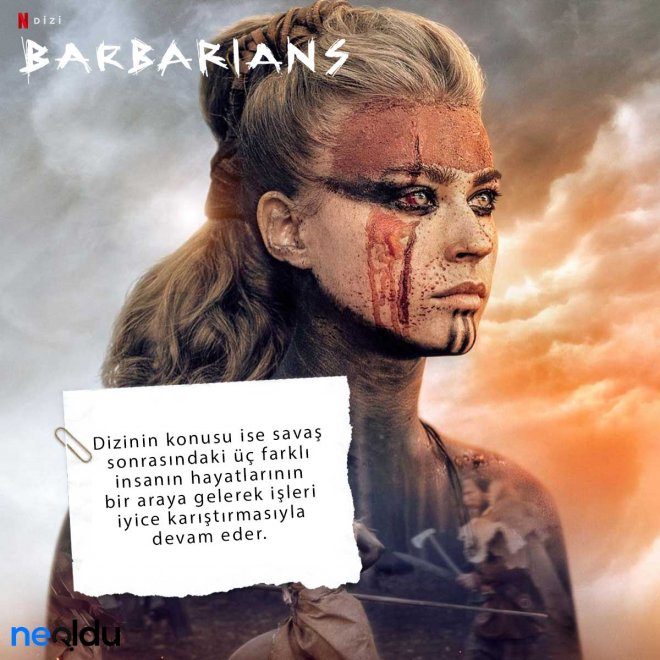
The narrative doesn’t stop at the war’s end. It gets messy. The plot follows three distinct characters whose lives suddenly intersect, twisting the storyline into knots. You can’t predict where it goes next.
This crisis forces the main cast—and everyone else—to confront two heavy things: their own history and what’s coming. They are alone with their past. They are alone with the future.
The characters are stripped of their defenses. No more running.
It’s a pressure cooker. The actors have to balance memory with anticipation. The result? Chaos. But the good kind. The kind that keeps you watching.
Why NeOldu.com’s Top Pick Secured a Season 2 Renewal So Quickly
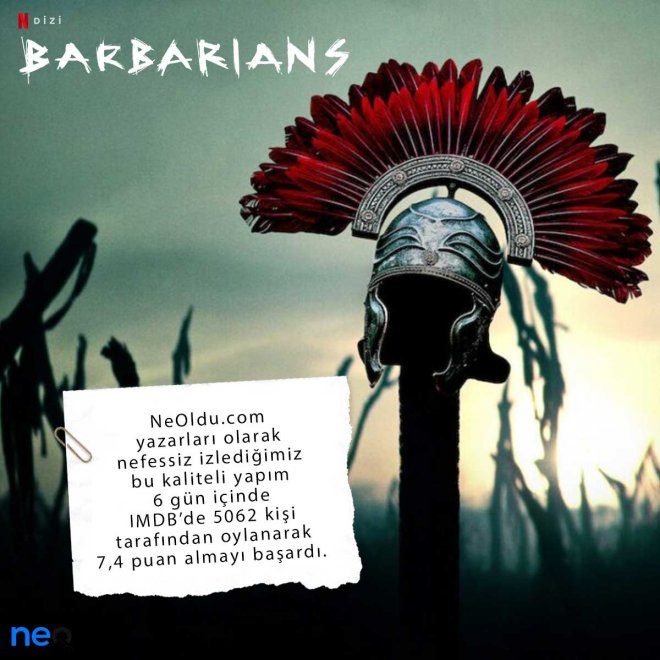
The momentum behind this particular series wasn’t built on hype alone. As writers for NeOldu.com, we found ourselves genuinely breathless while watching. It wasn’t just another entry in a crowded stream; it was a quality production that demanded attention. The results backed up the enthusiasm immediately.
In just six days, the show managed to accumulate 5,062 votes on IMDb. That’s not a slow burn. That’s a spike. The final rating settled at a solid 7.4. For a new release, especially one trying to carve out a niche, that kind of score in such a short window is significant. It suggests the content resonated with more than just early adopters. It hooked a substantial audience right out of the gate.
This rapid accumulation of votes and high ratings did more than just boost ego. It sent a clear signal to the producers. The data was undeniable: people were watching. People were voting. People were paying attention. Consequently, expectations for a second season skyrocketed. The gap between fans wanting a continuation and the network realizing they should provide one shrank dramatically.
The surge in viewership wasn’t just a metric; it was a mandate. The short timeframe turned casual interest into a demand. When thousands of people weigh in within a week, ignoring that feedback becomes financially and strategically unwise. We didn’t just watch it. We waited for the next step, our anticipation growing with every passing day. And judging by the numbers, we aren’t the only ones holding out hope for more.
How Barbarians Transforms the Teutoburg Forest Battle Into a Visceral Thriller
I stumbled on the trailer on Twitter and immediately felt that familiar itch. You know the one. It’s been a while since a show promised something fresh, and suddenly I was eyeing Rome history like it was a new hobby. I don’t actually learn my history from TV, obviously. I’m more into the aesthetic—the reenactments, the references. But then I rewatched Spartacus, binged through it, and while finishing that episode, there it was on my home screen: Barbarians. I hit play before I could overthink it. Sure, there are clichés. Tiny ones. But they don’t suffocate you.
This is the story of the Teutoburg Forest battle. Or rather, the buildup to it. My first impression? It’s taking the angle that Rome didn’t have time for. It’s looking at the “barbarians”—the Germanic tribes—as the protagonists. That shift matters. It changes who gets to be the hero and who gets to be the monster.
Why This Series Works (And Where It Falls Short)
Is it perfect? No. If you’re a hardcore scholar of Germanic or Roman history, you’ll spot the shortcuts. The showrunners leaned into pop culture names. They used “Odin” when historical records for non-Norse Germanic tribes often point to “Woden.” They skipped “Donar” for “Thor.” Probably because Odin sells better to a global audience. It’s a choice. A lazy one, maybe, but understandable.
The pacing is where it gets tricky. Everything happens in one breath. History isn’t that clean. We don’t know exactly what happened in the forest, but I wanted more insight. Why did Arminius have a sudden change of heart? What did these beliefs actually look like in daily life? The show floats a bit above that. It’s vague.
There’s a mix of real and fictional characters. Arminius, Varus, Segestus, Segimer—these are real. The main male lead is a composite, a fictional creation woven into the real tapestry. But the women? The women are based on actual historical figures. That’s rare. Roman historians wrote well. Germanic tribe histories? That’s where the gaps are. The show fills those gaps with drama. And some of the drama is pure invention.
It moves like The Last Kingdom. Not the subject matter—the structure. Fast-paced. Gritty. But it doesn’t dive deep. We don’t get a deep dive into Roman culture or the daily life of the tribes. It’s surface-level immersion.
The Language and Production Value
Here’s the win: they spoke the languages. English? No. They spoke Latin and Old German. It grounded everything. As a Roman history nut, seeing actors with accents and armor that actually looked like they survived a muddy afternoon was a relief. You type the names into Google and see the statues. It makes the connection real.
Is it a masterpiece? Not quite. But for the price of admission? It’s solid. Teutoburg. Guerrilla warfare. Roman legions vs. tribal warriors. Low budget, high stakes. Netflix has been trying to nail this historical grit with Outlaw King and The King. This feels like the same vein. Anti-war message, but set in antiquity. Usually, those films are about Vietnam or Iraq. Taking it back to the 1st century works.
I finished the first season and wanted more. Six episodes wasn’t enough. I didn’t even know if there would be a second season yet. I just wanted more history. More Rome.
The Cast: Who is Arminius?
At the center of this storm is Arminius, played by Laurence Rupp.
Rupp isn’t a newcomer, though he might not be a household name yet. He’s 35. He’s been in over 30 productions. If you’ve watched German cinema or TV, you might recognize him from The Dreamed Ones, Cops, Dead in Three Days, or Der Eisenhans. He brings a specific intensity to the role. Not just a warrior, but a man caught between two worlds. Two cultures that hate each other’s guts.
He plays Arminius. A Roman-raised Germanic prince. The ultimate double agent. The show asks: What happens when the bridge burns? And who gets left on the wrong side?
It’s a story about identity. And betrayal. And trees. Lots of trees. The forest swallows armies. It swallows lies. It swallows history itself.
We’ll see if they do it again. Or if Netflix decides six episodes was enough to cash in. I’m hoping for more. The gaps in the history are begging to be filled. Or at least, to be dramatized further.
The question is whether the next season will dig deeper into those beliefs. Or just give us more arrows in the dark.
The Actress Behind Thusnelda
Jeanne Goursaud, the talent portraying the fierce Germanic warrior Thusnelda, is only 24. She isn’t a newcomer. Her resume carries weight before she even stepped onto the set of Barbarians.
Look at her earlier credits. She was in The 15:17 to Paris in 2018. That was a high-profile project. Then there was Bullyparade: Der from 2017. These roles built her foundation.
But it was Barbarians that put her on the map for international audiences. Playing Thusnelda required more than just presence. It demanded physicality and grit. Viewers saw a character who was both vulnerable and dangerous. Goursaud captured that duality perfectly.
Her performance in the 2020 series stands out. Why? Because she grounded the historical drama in human emotion. The show didn’t need her to shout. Her silent moments spoke louder. Fans of historical epics noticed. Critics noticed too.
She remains active in the industry. New projects emerge. But Barbarians remains her defining role. It showcased her range. It proved she could hold her own against seasoned veterans.
What’s next for her? That’s the question. But for now, her work as Thusnelda is etched in viewer memory. A strong start. A promising trajectory.
The Rise of David Schütter: From German Indie to International Screens
He’s young, he’s German, and he’s everywhere. At 29, David Schütter has already punched out over 40 credits in his filmography. That’s not a typo. It’s a grind.
Most people know him as Folkwin Wolfspeer from the hit series We Are the Wave. But the roles are stacking up fast. You might recognize him from Porn Punk Poetry, a gritty indie drama that put him on the map. Or maybe you caught him in 8 Tage or the romantic dramedy Unsere wunderbaren Jahre.
He’s also in the mix for Right Here Right Now.
Why does he stand out in a crowded field? He’s not just showing up. He’s delivering.
The German actor is clearly on the rise. And he’s not stopping anytime soon.
The Verdict on Macbeth (2020)
If you’re hunting for a historical drama that punches above its weight, this one lands. Released on October 23, 2020, the film reimagines Shakespeare’s tragedy with a gritty, neo-noir aesthetic. It isn’t your grandfather’s stage production. The genre tags—Action, Drama, Adventure, History —are accurate, but they barely scratch the surface of the tone. It’s visceral. It’s messy. And it works.
David Michôd, who directed The King and The Animal Kingdom, brings his signature style to the Scottish play. The result is a movie that feels less like a period piece and more like a war thriller. The cinematography is stark, the costumes are muted, and the violence is sudden. You don’t get a warning before the blood hits the screen.
Why This Version Stands Out
Most adaptations of Macbeth get bogged down in the poetry. Here, the verse is intact, but the delivery is breathless. Elizabeth Debicki and Jacob Elordi lead the cast, bringing a raw, almost feral energy to the roles. They aren’t reciting lines; they’re surviving them.
The film asks a simple question: What does absolute power cost when you’re fighting for your life from day one? The answer isn’t philosophical. It’s physical. The action sequences are brutal and efficient. There’s no choreography for show. Every swing of the sword has weight. Every death matters.
For fans of historical epics who prefer grit over gloss, this is a solid entry. It’s not perfect—the pacing stumbles in the second act—but the performance by the leads keeps you locked in. If you’re looking for a Macbeth movie that doesn’t feel like homework, this is the one. It’s loud. It’s dark. And it sticks with you.