The world isn’t getting safer. In fact, it’s getting worse at handling infectious disease outbreaks. That is the blunt warning from the Global Preparedness Monitoring Board, a joint WHO-World Bank entity that has been tracking global health since 2018.
They just published a report. It doesn’t mince words. Outbreaks are happening more often. And when they happen, they do more damage. We are losing ground. Pandemic risk is sprinting ahead of our spending on preparedness. The world, for all its noise, remains fundamentally fragile.
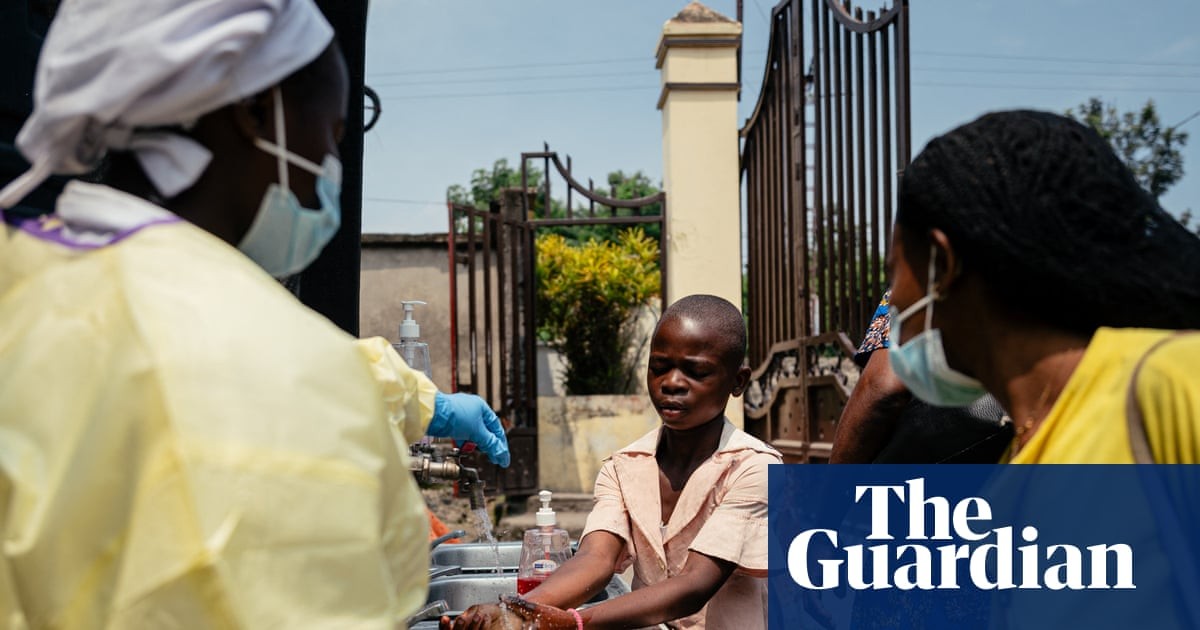
Look at the Congo and Uganda. They are scrambling. Ebola is back, deadlier and faster this time. Over eighty dead in the DRC alone before an international emergency was even declared. Then there is the hantavirus scare on a cruise ship. Two crises. Same story. We are behind. Again.
Tedros Adhanom Gsebreyesus, the WHO chief, didn’t sugarcoat it in Geneva. He called them the “latest crises in our troubled world.” Not a unique anomaly. A symptom.
The roots run deep. Climate change. War. Geopolitics tearing apart our collective action. Greed winning over safety.
Kinshasa is running empty
Anne Ancia, the WHO representative in the Congo, told reporters the capital’s stocks of protective gear were wiped out. Just like that. Empty. They are chartering a cargo plane from Kenya to bring in supplies because there was nothing left to hand out. Local hospitals can’t protect their staff. International aid groups like Médecins Sans Frontières and the International Rescue Committee are throwing people into the mix.
But they are starting from zero.
WHO is rushing a scientific consultation this Friday. Experts will try to figure out what we know, where vaccines need to go, how to test better. It feels reactive. Desperate, almost.
Professor Matthew Kavanagh from Georgetown sees the broader picture. Or rather, the lack of it.
He blames aid cuts. Billions pulled from the WHO. USAID programs dismantled. “When you gut the surveillance system,” Kavanagh said, “you can’t catch viruses early.”
Here is the kicker: the first tests failed. They looked for the wrong strain. False negatives. We lost weeks. While we argued about diagnostics, the virus hitched rides on transport routes and crossed borders unchecked. By the time someone screamed “danger,” the ship had sailed.
We treat global health like an optional line item on a budget. That decision is deadly now.
“We are seeing the direct, consequences of treating global health security as a cost, not a necessity.”
Technology? It’s flying high. mRNA vaccines, new platforms, billions in R&D investment. The science is ready. The distribution? Broken.
Progress on paper. Regression in reality
We are moving backwards on equity. It is shocking how fast we forget the last few years.
Take mpox. Vaccines took nearly two years to reach African countries. Compare that to the coronavirus era, where we took 17 months to roll out vaccines globally. Two years. For a preventable disease. That is a regression. That is a failure of logistics, but mostly a failure of will.
Disease erodes trust. Every outbreak chips away at faith in government, in democracy, in science itself. Politicians turn outbreaks into talking points. They attack scientific institutions instead of funding them. The trust doesn’t come back after the virus is gone. The scars remain. Societies are less resilient next time around. Because they’ve been burned.
Kolinda Grabar-Kitārović, former Croatian president and co-chair of the GPMB, puts it plainly. We have solutions. They sit in warehouses, on shelves, in labs. They just don’t move.
“Without trust and equity, solutions will not reach who needs them.”
A treaty in limbo
Countries failed to finalize a pandemic treaty at this week’s World Health Assembly. Disagreements stalled them. Rich nations wanted guarantees of medical access in exchange for data. Poor nations wanted guarantees that they would get the vaccines if an outbreak hit their shores. Stalemate.
Joy Phumaphi of Botswana warns that if this fracture continues, every country is exposed. All of us. There are no fortresses anymore.
The GPMB wants three things. A permanent body to track risk, independent and boring enough to actually watch. A real pandemic treaty, one that ensures vaccines aren’t luxury goods. Financing. Actual money locked in for when the next alarm rings.
Not promises. Not pledges.
But that requires political will. It requires turning commitments into measurable steps before the next virus jumps a species or hops on a flight.
Do we have that kind of foresight left? Or will we just keep buying planes to fly supplies to Kinshasa when it is already too late?