In the vast, complex history of our planet, one question stands above all others: Where did life begin?
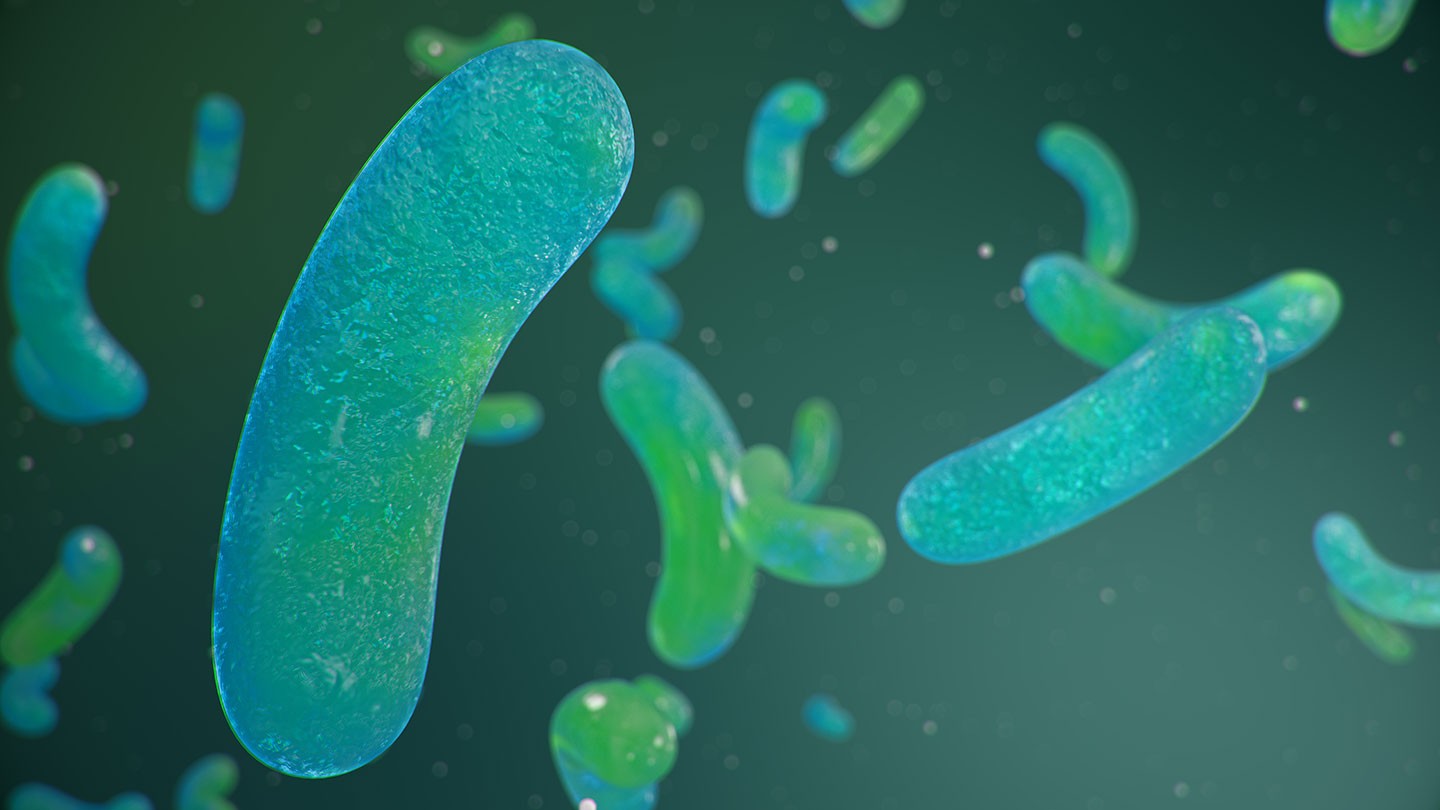
While biology describes a staggering diversity of life—from the smallest single-celled bacteria to the massive mammals roaming our continents—scientists believe all these different forms share a single, common starting point. This hypothetical “progenitor” is known by the acronym LUCA : the Last Universal Common Ancestor.
The Biological Connection
To understand why LUCA matters, one must look at the fundamental building blocks that all living organisms share. Despite the differences between an ape and an archaeon, or a plant and a bacterium, they all operate using a similar “operating system”:
- DNA and Genes: Every living thing uses deoxyribonucleic acid (DNA) to carry genetic instructions. These instructions, organized into genes, dictate how cells function and how organisms develop.
- Energy Production: All life requires fuel. Cells use molecules like ATP (adenosine triphosphate) to power biological activities, much like a rechargeable battery.
- Cellular Structure: Whether an organism is a simple, single-celled prokaryote or a complex, multicellular eukaryote with a defined nucleus, the basic unit of life remains the cell.
The fact that these mechanisms are universal suggests that life did not emerge multiple times in isolation. Instead, it likely began with one single lineage that eventually evolved into the three domains of life we recognize today: Bacteria, Archaea, and Eukaryotes.
Where Could LUCA Have Lived?
Finding traces of an organism that lived billions of years ago is a monumental challenge. Because LUCA existed in a primordial era, we cannot find it in the fossil record as a complete creature. Instead, scientists must look for clues in the environments where life might have first taken hold.
One leading theory points to hydrothermal vents —cracks in the ocean floor where hot, mineral-rich water escapes from deep within the Earth. These environments provide the chemical energy and stable conditions necessary for complex chemical reactions to kickstart life. Other theories consider different scenarios, such as life emerging in shallow seas or even being delivered to Earth via asteroids from space.
The Scientific Quest
Hunting for LUCA is not just about looking backward; it is about understanding the mechanics of evolution. By using genomics (the study of entire genomes) and molecular biology, researchers attempt to “reverse-engineer” the tree of life.
Through computer models and the study of modern microbes, evolutionary biologists try to reconstruct the traits LUCA must have possessed. Did it have a membrane? How did it manage its metabolism? By answering these questions, we move closer to understanding the transition from simple chemicals to complex, self-sustaining organisms.
Finding LUCA would be the ultimate “missing link,” providing a definitive answer to how life transitioned from mere chemistry to the biological diversity that defines our world.
Conclusion
The search for LUCA is a journey to find the single thread that connects every living thing on Earth. By studying the shared genetic and chemical foundations of life, scientists aim to uncover the moment when biology first began.