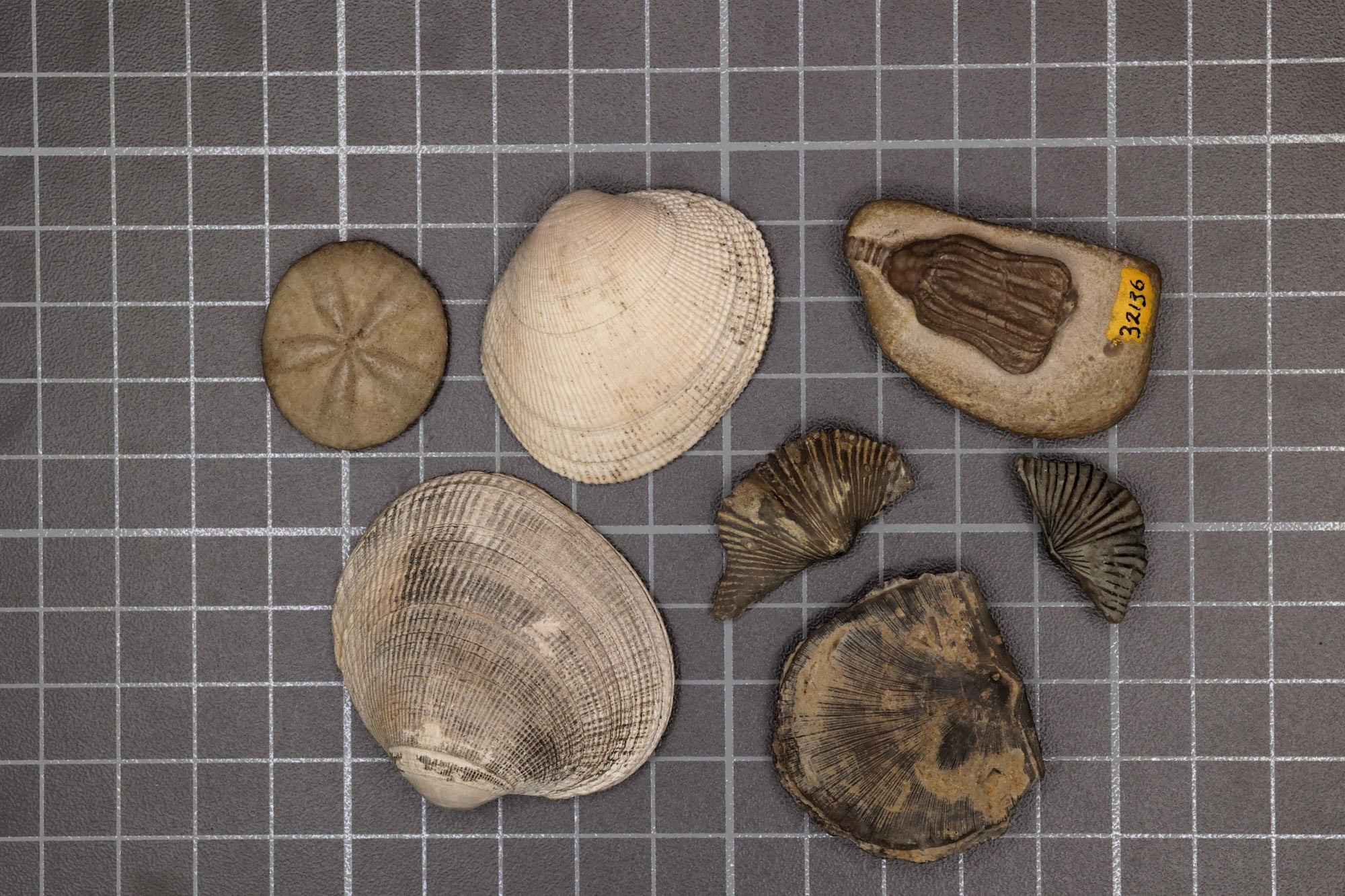
Clams rule our beaches. You dig them. You steam them. You eat them by the gallon. Brachiopods? Not so much. You rarely find them. When you do, you probably don’t recognize them as clams at first glance, but evolutionarily speaking, they are totally different. They survived the Great Dying only barely. The brachiopod’s near-erase-from-history is a story of metabolic weakness meeting a hostile world.
A new study from Stanford sheds light on this ancient tragedy. It’s not just about which animals were where. It’s about what their bodies could physically handle.
The Physiological Edge in Extinction Events
We know what killed 96% of ocean life 252 million ago. The volcanoes of the Siberian Traps unleashed heat. They unleashed carbon dioxide. They stripped oxygen from the seas. But why did some groups vanish while others thrived? Why did slow-moving bottom-feeders get crushed while agile swimmers and burrowers adapted?
The answer lies in how organisms processed oxygen as their world caught fire.
Researchers led by Jose Andres Marquez and Erik Anders Sperling looked beyond the fossil record. Fossils tell us what lived. They don’t always explain why certain metabolisms failed when the heat rose. The team studied living descendants of both Paleozoic giants (the losers) and modern survivors.
Metabolism vs. Temperature
Brachiopods are efficient. In cool, stable waters, their low-energy lifestyle works. They filter particles. They sit still. They save calories.
But efficiency is a trap when the temperature spikes.
“Brachiopods and other low-metabolism organisms had very narrow ranges for tolerating high temperatures.”
When water warms, chemical reactions inside an organism speed up. The demand for oxygen shoots up. Simultaneously, warm water holds less oxygen than cool water. It’s a cruel paradox. Animals needing more gas find less of it.
Slow metabolisms like the brachiopod’s couldn’t ramp up their oxygen intake fast enough. They suffocated not just from lack of oxygen in the water, but from an internal inability to process what little remained.
How Active Survivors Managed Heat
Modern survivors like clams, snails, and starfish are different. They are messy. They expend energy. They move.
But this high-energy engine gives them a superpower: plasticity. When temperatures rose during the extinction event, these animals could increase their respiration rates. They had the muscular and respiratory machinery to take in more oxygen and use it. They had the “equipment,” as Sperling puts it, to handle stress.
This is how different physiological tolerances determined extinction rates.
The researchers placed animals from both groups in controlled chambers. They watched their oxygen consumption as they simulated warming waters.
- Brachiopods survived better in low -oxygen, cool conditions.
- They died first when heat was added.
- Active bivalves and mollusks handled the heat much better because their systems could upregulate oxygen intake.
The Rise of Mollusks and Modern Seas
This biological filter reshaped the ocean.
Before 252 million years, brachiopods were dominant. They carpeted the seafloor. Now? Less than 400 species remain. By contrast, bivalves (clams, oysters, mussels) and gastropods (snails) exploded. We now count between 10,00 and 15,00 bivalve species.
Why did bivalves dominate the post-extinction oceans?
Because they could breathe hotter. Because their muscles could power a shift to burrowing, crawling, and hiding from the changing chemistry. The oceans we swim in today are populated by the tough, the fast, and the hungry. The stillness of the brachiopods was no match for the chaotic new world.
The Warning in Ancient Shells
Ocean acidification likely made things worse for shell-builders. But the primary kill mechanism was heat-driven hypoxia. The ocean couldn’t hold oxygen while demanding more.
The comparison to today is stark.
During the Great Dying, global temperatures jumped 8 to 12 degrees Celsius over thousands of years. Today, we are projecting rises of 1.5 to 4 degrees by 2100. That’s faster. That’s compressed.
“The bad news is we’re on track for Permian-levels of warming under worst-case scenarios,” Sperling warns.
Animals with rigid, slow metabolisms are still with us today. Think of coral reefs. They bleach when water warms just slightly. They have lost their buffer. We are seeing the physiological fragility of ancient survivors return.
Can we fix it? The research notes we can. We can change the trajectory. But we cannot change the laws of chemistry. Warm water holds less oxygen. Biology still demands it. The creatures that thrive will be the ones that can manage that gap. The clams have adapted. Will we?