The headlines are loud. The speculation is loud. And if recent reports are to be believed, so is the narrative surrounding Andy Burnham’s energy policy.
As the incoming prime minister prepares to take up residence at Number 10, the political airwaves are thick with suggestions of a seismic shift in British energy strategy. Some say we are looking at a “new dawn” for the North Sea. Others predict a hard line in the sand. The reality, as is typical in Westminster, is far more nuanced and, frankly, far less exciting.
BBC reporting over the weekend claimed Burnham intends to honor Labour’s 2024 manifesto promise to halt new oil and gas licensing. He will stick to the ban. However, he reportedly plans to honor existing licenses. There will be, as deputy leader Lucy Powell put it on Sunday with Laura Kuenssnerg, a “change of emphasis.”
But don’t expect immediate action on the big ticket items. Specifically, Burnham will not approve the controversial Rosebank or Jackdaw fields on his very first day in the job.
That isn’t hesitation. That is legal necessity.
Both projects were greenlit by the previous Conservative government, but those approvals have been successfully challenged in court by environmental groups Greenpeace and Uplift. Their argument was simple, even if it makes for poor cocktail party conversation with oil executives: ministers failed to consider the full climate impact of burning the fossil fuels that would eventually come from these fields.
The Offshore Petroleum Regulator for Environment (Opreg) is now conducting consultations that close in August. If Burnham jumps the gun and rubber-stamps these fields now, the government will land itself back in the defendant’s seat before it has even settled its diaries. So, those decisions are effectively paused.
How does Labour define ‘new’ exploration in the North Sea?
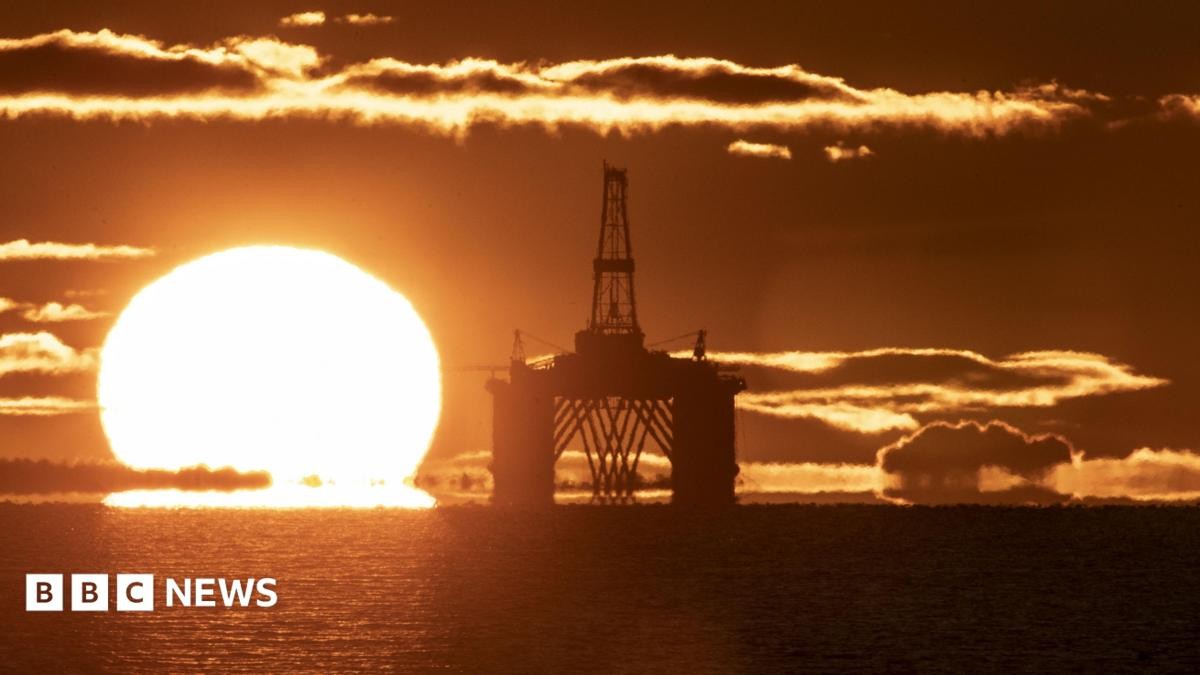
The definition of a license has become the primary battlefield between the government and the energy sector. Labour’s manifesto pledged a ban on new exploration licenses. These are the permits that grant companies exclusive rights to search for hydrocarbons within a specific seabed area, or “block.”
Energy Secretary Ed Miliband moved quickly to enact this ban shortly after taking power. But industry operators, never ones to leave a door fully shut, have found a loophole. It is called a “tie-back.”
Under this arrangement, production can proceed in unlicensed areas, provided those areas are adjacent to, and physically connected to, existing licensed infrastructure. Technically, this doesn’t violate the manifesto pledge. Spiritually, it skirts the line. It allows energy to be extracted without the administrative burden of issuing a brand-new exploration permit.
Does the industry actually want full licenses? Arguably not anymore.
The days of supermajors like BP and Shell holding the cards are over. They have been selling off upstream assets for years. Their balance sheets are less suited to the massive capital expenditure and high risk involved in exploring completely unknown seabeds. Smaller, less capitalized operators are now doing the heavy lifting, but their mission is simpler: extraction, not exploration. They are here for what is already there, not what might be down there.
So why all the noise? Because the noise distracts from the real economic lever: the tax burden.
Why the Energy Profits Levy is the real battleground
While politicians debate the optics of Jackdaw and Rosebank, the oil and gas sector is staring at the Energy Profits Levy (EOL). Often called the windfall tax, this levy was introduced by the Conservatives at the onset of Russia’s invasion of Ukraine, when energy prices spiked.
It imposes a headline rate of 73%.
No, that is not a typo. It was originally set higher and has been adjusted, but the sentiment remains: a punitive 73% charge on profits regardless of whether oil prices are high or low. The industry argues, with significant evidentiary weight, that this has made the UK Continental Shelf one of the most unattractive jurisdictions in the world for investment. Money has dried up. Jobs are at risk.
Burnham now has three main cards to play, though one is far more valuable than the others.
Option A: Keep the tax as is. The industry screams; environmentalists cheer (marginally); investment stalls.
Option B: Abolish the tax entirely. This is popular in Westminster’s “real economy” wing. It fits Burnham’s narrative of reindustrialization and job creation. However, it is politically toxic in an election year where “greedy corporations” are an easy target. It is not sexy.
Option C: The replacement promised for 2030.
The government has already signaled an intention to replace the EOL in 2030 with a different type of windfall tax—one that triggers only when prices are high. The oil industry prefers this. It protects them in bad years and lets the state take a cut in good years.
Why wait until 2030?
Because it is a political compromise that delays the inevitable decision on fair taxation versus competitive attractiveness.
Does this constitute a pro-oil pivot?
Let’s strip away the PR jargon. Is Burnham embracing the oil majors? No.
Does he recognize that energy security relies on a “mixed bag,” including continued North Sea production as part of a long-term transition? Yes. Deputy Leader Lucy Powell made this clear. It is, as she termed it, a pragmatic approach. Working with the industry to ensure it contributes to the transition rather than being marginalized into irrelevance.
But pragmatism is a dull word. It doesn’t sell magazines. It doesn’t dominate the Saturday morning news cycle.
So what are we actually watching for in the coming months?
Look for the tie-backs. Look for how many existing licenses are kept alive. Look for whether Burnham dares to slash the Energy Profits Levy to stimulate investment before 2030, or if he will wait out the political fallout.
The industry is holding its breath, waiting to see if the new PM views the North Sea as a dying relic to be managed into oblivion, or an active asset in the security of supply basket.
So far, he is doing neither. He is waiting. He is checking the legal files. He is measuring the political wind.
Is this hesitation or strategy? You’ll have to wait until the consultations close. Until then, the turbines will turn, the drills will idle, and the pundits will keep writing. It won’t be perfect. It probably won’t be exciting. But in the high-stakes poker game of energy security, playing safe is often the only hand left to deal.