Aging is messy. It tends to stack excess fat on your belly while letting muscle tissue dissolve. This combination is a direct ticket to frailty. It invites metabolic disease. It threatens your independence.
Protein is usually the go-to solution. But the problem might not be how much protein you eat. It might be which amino acids are doing the heavy lifting.
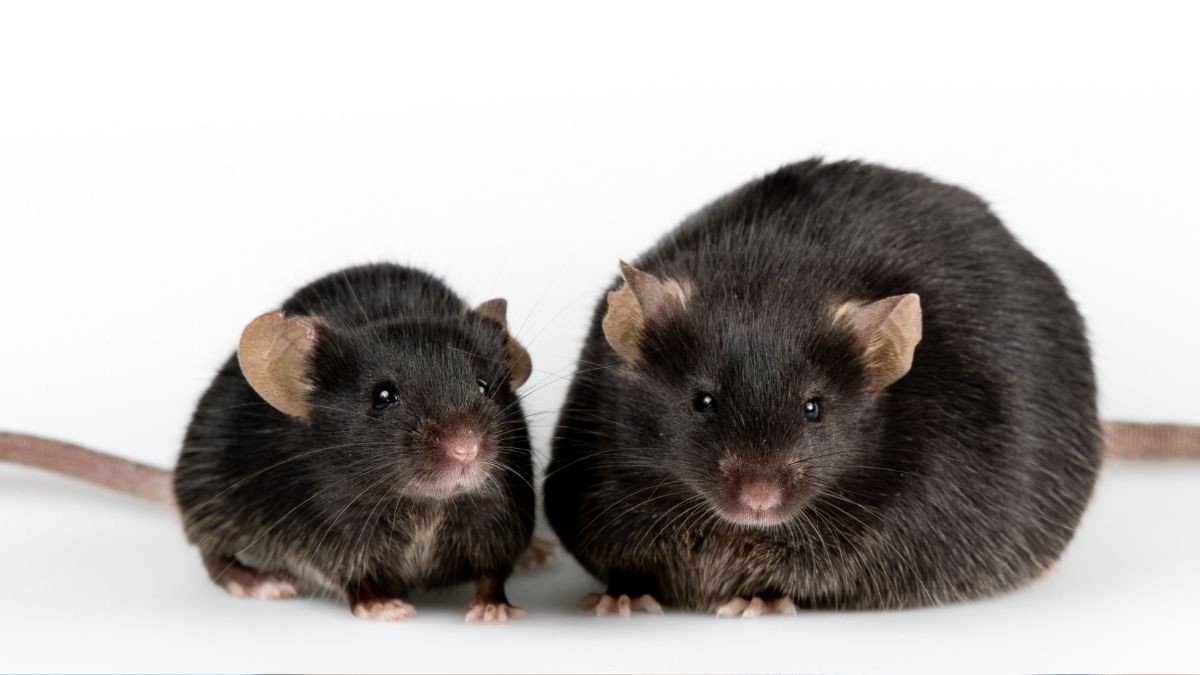
A new study published in Cell Metabolism flips the script. Researchers at the University of Southern California discovered that a specific, experimental low-protein diet helped aging mice lose fat. And the kicker? They didn’t lose their muscle.
Rewiring Metabolism with Methionine
The team, led by biomedical scientist Maura Fanti, didn’t just cut calories. That’s easy. Starvation kills muscle. They targeted specific metabolic pathways.
The diet was low in total protein but included a precise dose of methionine. This essential amino acid comes from food—meat, fish, eggs, legumes. It’s not a supplement you buy off a shelf; it’s a dietary component.
Earlier versions of this low-amino-acid diet caused mice to drop weight too fast. They were losing lean mass along with the bad stuff. So, the researchers tweaked the recipe. They added just enough methionine to protect muscle tissue.
It worked.
The mice lost body fat. They showed less frailty. Their blood sugar control improved. They ate as much as they wanted, yet their bodies seemed to reprogram themselves.
“It’s less ‘starvation’ and more targetted metabolic reprogramming.”
The study focused on 20-month-old mice. In human years, that’s early 60s. It’s the window where aging-related decline really starts to accelerate.
Why Does This Work? The Hormonal Switch
How do you lose fat without losing muscle? You change the hormonal signal.
The low-protein, controlled-methionine diet triggered a cascade. It raised growth hormone. It boosted GLP-1, which manages appetite and blood sugar. Crucially, it lowered IGF-1. IGF-1 promotes growth. In excess, it can drive cellular processes we’d rather slow down during aging.
But the star player is Fibroblast Growth Factor 21 (FGF21).
The diet sharply increased FGF21. This hormone is normally released during nutritional stress, like fasting or amino acid restriction. It signals the body to switch fuel sources.
A 2025 study in Nature Metabolism confirmed similar results in humans, showing that protein restriction increases circulating FGF21 in lean, healthy men.
Fanti explains that this hormonal combination pushes the body to burn fat for energy. Methionine, meanwhile, steps in to maintain muscle protein.
When the researchers removed FGF21 from the mix in knockout mice, the benefits vanished. The mice didn’t lose fat. They developed insulin resistance.
“FGF21 isn’t just associated with the diet’s benefits. It’s required for them.”
This isn’t a generic “eat less” message. It’s a specific mechanism. Methionine acts as the lever.
The Human Context: Data and Caveats
So, should you go on a low-protein diet tomorrow? Not so fast.
The researchers also looked at health data for over 200,00 people. The pattern was clear. Those with the highest animal protein intake were more likely to be obese. Type 2 diabetes was nearly twice as common in this group compared to those with the lowest intake.
But this data is cross-sectional. It’s a snapshot. It shows association, not causation. Did animal protein cause the diabetes? Or do people with diabetes change their diets? We don’t know yet.
“This is why we combined the mouse studies with epidemiological studies,” said Valter Longo, senior author and biogerontologist at USC. “Naturally, additional studies are needed… to establish causality.”
What Does This Mean For You?
The study doesn’t support mega-dosing methionine. In fact, more methionine made the benefits disappear. It also doesn’t recommend unrestricted low-protein eating.
Longo offers a practical baseline for adults: roughly 0.37 grams of protein per kilogram of body weight (Note: The article cites pounds, which is unusually low for a gram/lb metric, likely a transcription error in source or intended as grams/kg standard; standard advice is often higher. I will stick to the text’s “0.37 grams per pound” but note the unusual specificity. Actually, 0.37g per pound is approx 0.82g per kg. This is a standard moderate recommendation). At least half of that should come from plants.
Older adults might need 10 to 20% more protein, depending on their needs. And they need to ensure they get sufficient methionine.
But here is the rub. This was tested only in mice late in life. It hasn’t been validated in humans. The “middle zone” of methionine intake is diet-specific and dose-specific.
There is no reason to restrict protein drastically right now. There is definitely no reason to take methionine supplements based on this alone. Controlled trials are needed to see if these hormonal shifts protect muscle in people, not just rodents.
Longo owns interest in L-Nutra, a medical food company. Several authors have patents related to fasting-mimicking diets. Transparency is good, but it means we must remain skeptical.
The promise of targeting specific amino acids to separate fat loss from muscle loss is tantalizing. It suggests our diets might be missing a key ingredient, or have too much of the wrong kind. We don’t have the final answer yet. We have a hypothesis, a mouse, and a very interesting hormonal switch. The human data is waiting to catch up.