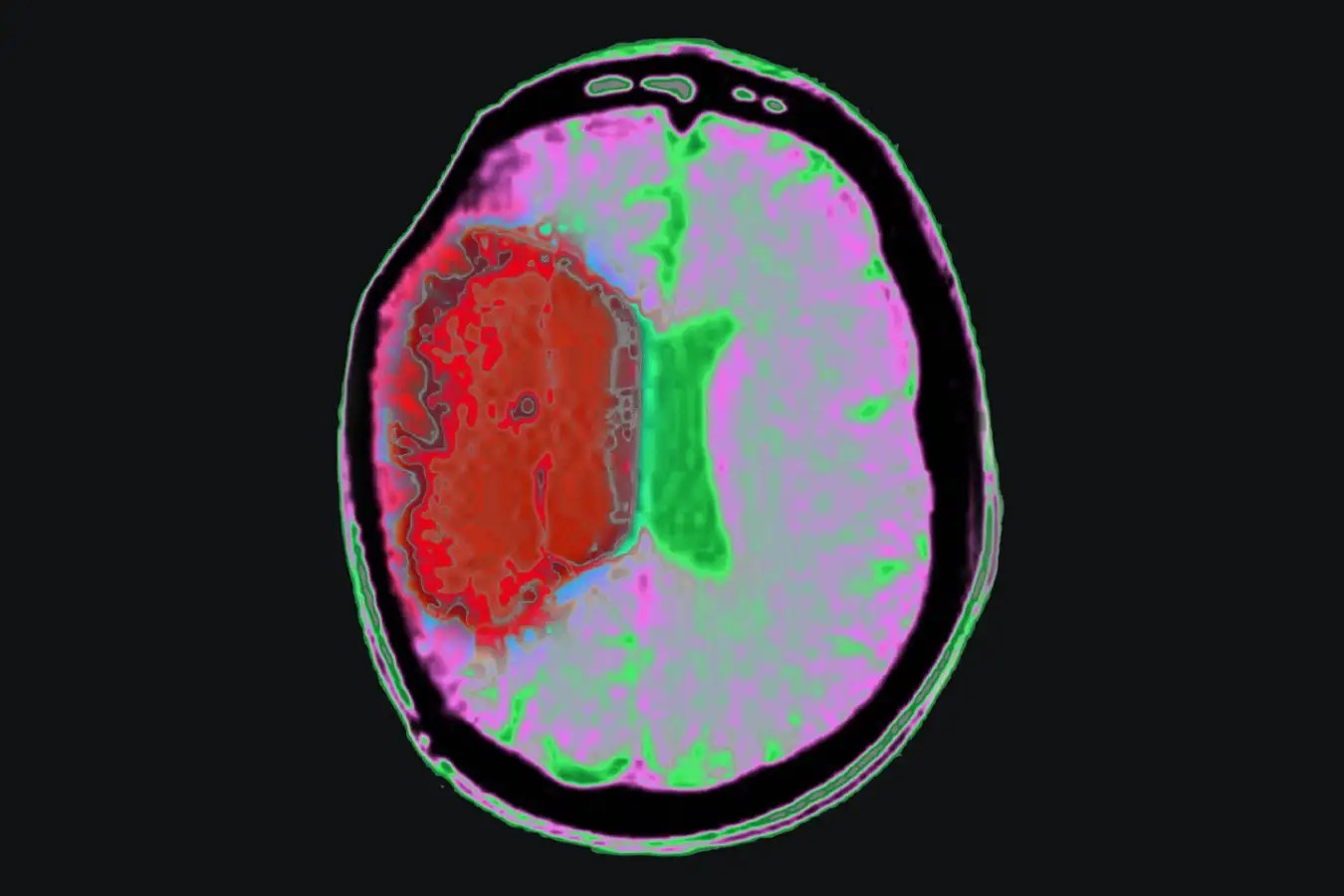
Brain cells need oxygen. Lots of it. Cut off the supply during a stroke, and they panic. They start dying. Fast.
Scientists have spent years trying to stop this carnage. The idea? Cool the brain down. Put those neurons into a hibernation-like stasis so they survive longer without blood. If you keep the cells alive long enough to remove a clot, maybe the patient keeps their speech. Their movement.
But here’s the rub. Physical cooling is a nightmare. Ice packs, cold helmets, chilled blankets—none of it really works well enough. Why? Because humans are wired to resist cold. We shiver. Shivering generates heat, fighting the hypothermia doctors are desperately trying to induce.
It makes physical cooling just about unfeasible, says Kirsten Couplland.
So a team in China decided to skip the ice packs entirely.
Shivering is the body’s way of “fighting the induction of hypothermia,” making it incredibly hard to get temperatures down.
Enter promethazine. You probably know it as an allergy pill. Maybe a sleep aid. And chlorpromazine? An antipsychotic. These aren’t new compounds. They’ve been around since the 1950.
Shuaili Xu and his crew at Capital Medical University gave both drugs to mice. Then to monkeys. After inducing strokes in these animals, the results were clear. The drug combo lowered core body temperature. It slowed glucose metabolism in cells. Brain damage dropped. The monkeys used their limbs better afterward.
Promising stuff. So they tried it on humans.
The trial was small—thirty-two patients who’d just had a stroke. They got the drugs plus standard clot removal therapy. Or they got a placebo.
Here’s where it gets interesting. The drugs barely worked. Temperature dropped by less than half a degree Fahrenheit. Zero reduction in brain damage.
Xu didn’t blame the chemistry. He blamed the clock. The infusion took twelve hours. Too slow. The drugs never reached a high enough concentration in the blood quickly enough to drop the core temperature meaningfully.
He thinks if they speed it up—to just one hour—they might actually see a result. A stronger cooling effect. Real therapeutic benefits.
Coupland is okay with the risk. The drugs are old. Safe, mostly. Already in human systems for other ailments. No weird new side effects to worry about. They act on the central nervous system without triggering shivering or that terrible, subjective feeling of freezing to death.
A slight chill without the shivers?
Seems reasonable to try again, right?