There’s a theory that floats around Parkinson’s research. Maybe a virus starts it all. It knocks out key brain cells, leaves you vulnerable to genetic and environmental risks, and sets the stage for the disease to take hold later on.
Plenty of history backs this up. Look at the 1918 influenza pandemic. The neurological aftermath was severe, lasting long after the flu itself vanished.
Now, a team at Texas A&M has built a model that actually proves how a virus might launch Parkinson’s-like damage. They used Theiler’s Murine Encephelitis Virus, or TMEV. It’s a common pathogen in mice, one that naturally targets and destroys the very dopamine-producing neurons that Parkinson’s attacks.
The results? Clear. And slightly disturbing.
The virus killed the neurons. That part tracks. But the real kicker came later. After the mice’s immune systems completely cleared the virus, the motor control issues persisted. The tremors didn’t stop. The stiffness didn’t fade.
“This indicates that the motor coordination loss… continues to be observed chronically,” the team notes in Brain, Behavior, and Immunity — Health.
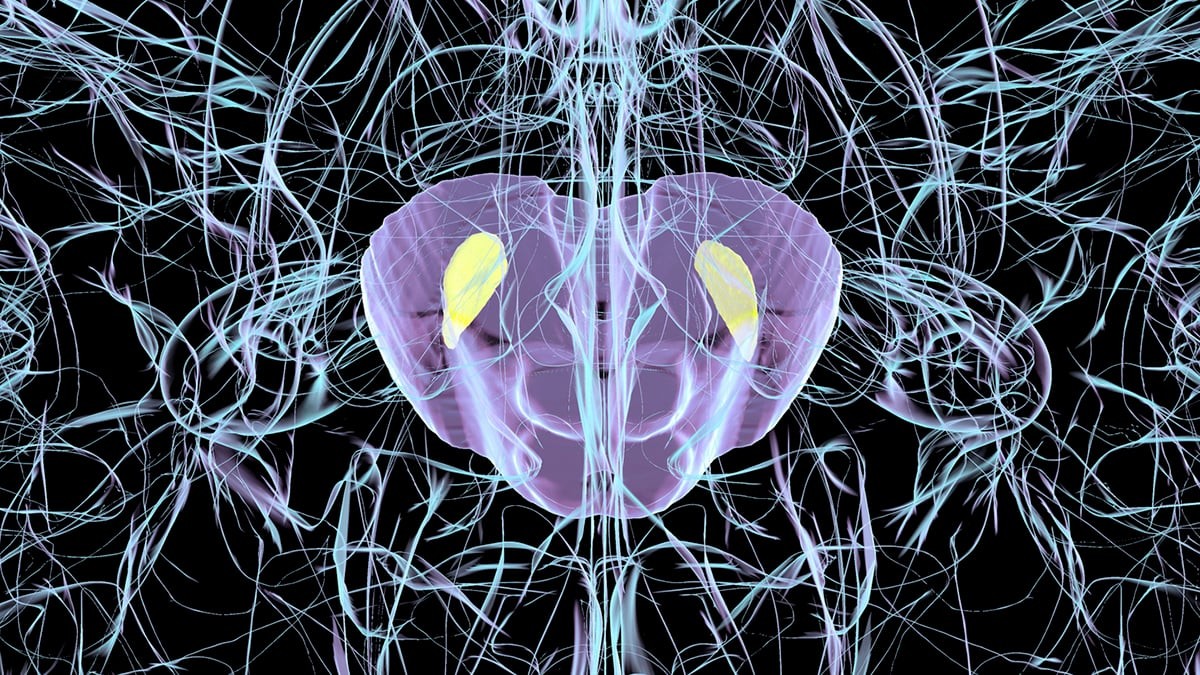
Why does this matter? Because the old way of studying this in mice felt… incomplete. Most models use genetic tweaks or direct injections of toxic chemicals into the substantia nigra. The part of the brain that handles motor planning. It causes the symptoms sure enough, but does it mirror reality? Not really.
“Not all people who are exposed to chemicals develop Parkinson’s,” says geneticist Candice Brinkmeyer-Langsford. She’s right. Human brains don’t just break from a single toxin drop. We need to know how the disease starts in the wild. How it builds.
In the new study, they saw the neuron loss hit after a week. Then they waited. For 20 weeks, they ran movement tests on these mice. Even though the pathogen was gone, the damage remained. Collateral damage. A permanent scar on the nervous system.
This suggests viruses might not cause Parkinson’s solo, but they break the system enough that other factors tip the scale. A weak foundation. A crack in the glass.
Viruses cause different diseases depending on genetics. Epstein-Barr gives you mono. Sometimes cancer. SARS-CoV-2 hits the lungs. Sometimes the brain. Sometimes the heart. Context is everything.
Don’t worry about catching TMEV from your pet mouse. It won’t transfer to humans.
But the mechanism? It could be the missing piece of the puzzle for humans. If viral infections weaken specific brain regions early on, understanding that timeline might change how we treat patients down the road. Prevention. Intervention before the cascade starts.
Parkinson’s is the second-most common neurological disorder, affecting 10 million people. And it’s rising fast. With populations aging globally, that number is about to balloon.
“The clock is ticking,” Brinkmeyer-Lansford warns.
We don’t have the full picture yet. But finally, we have a model that doesn’t force the disease. One that lets it unfold. Like a slow-moving storm that leaves the ground shaking long after the clouds have passed.
What happens when the next storm rolls in?