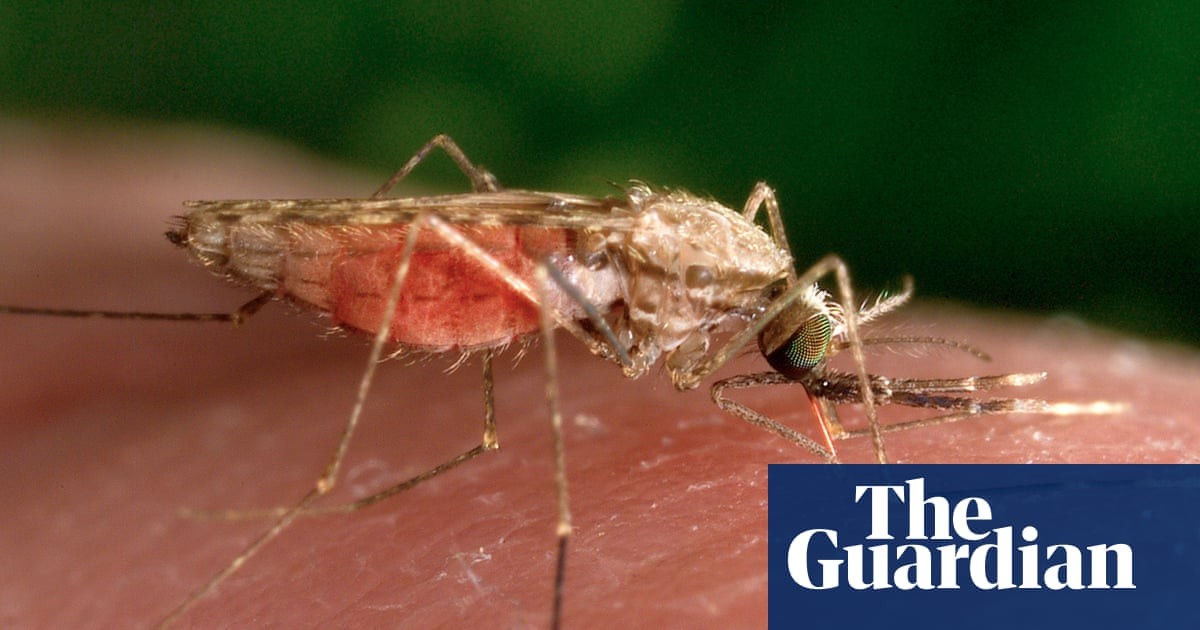
It smells like safety. It smells like vacation. It smells like Deet.
But what if it’s working against you?
A new study suggests mosquitoes aren’t just fleeing from the stuff. Under the right conditions they can actually learn to love it. Or at least they stop running away and start looking for a meal.
“The reaction can be modified by experience,” says Prof Claudio Lazzari.
That’s a big deal.
We’ve spent decades believing Deet (the fancy name is N,N-diethyl-meta-toluamide ) works because it’s gross to mosquitoes. It masks your scent. It’s toxic. It repels. Simple mechanics. Block the detection. Kill the interest. Done.
Not quite.
Lazzari’s team at the University of Tours found that mosquitoes can learn like Pavlov’s dogs. Ring the bell. Get food. In this case smell Deet. Get blood.
Here’s the kicker:
- 60% of mosquitoes fed alongside Deet tried to bite when exposed to the smell alone later.
- Only 17% of untrained insects did the same.
Think about that.
More than half the trained group went from ignoring Deet to seeking it out. Why? Because their tiny brains wired the chemical smell directly to lunch.
Another test involved a researcher’s hand. One hand treated with Deet. The other untreated. Untrained mosquitoes ignored the Deet hand. Trained ones? Almost 60% flew right toward it. They wanted a bite. The repellant was the beacon.
Dr. Nina Stanczyk from ETH Zürich isn’t surprised. Mosquitoes are smart pests. She notes the association happens best when the repellant is wearing off or the mosquito is desperate enough to feed despite the smell. It’s remarkable that such a strong odor becomes a cue for food rather than a warning sign.
So do you throw your spray in the trash?
No.
Listen closely.
The UK Health Security Agency still recommends products with 50% Deet. Why? Because malaria dengue Zika and Japanese encephalitis don’t care about your feelings. They care about your blood.
This phenomenon isn’t happening in the wild yet.
Prof. Francesca Romana Dani at the University of Florence points out a logistical nightmare for the insects. In a lab conditions are constant. Outside the same mosquito rarely finds the same host again. She also notes they only feed every few days. Do they remember a Deet-associated meal for three days? Probably not well enough to matter.
Lazzari agrees. Normal use doesn’t strip Deet of its power.
“People should understand that Deet does lose its effectiveness only under specific laboratory conditions.”
The study didn’t show Deet failing in the jungle. It showed it failing in a cage where scientists trained the bugs to associate the spray with survival.
Stanczyk has a good rule of thumb. Apply regularly.
If you reapply according to the label you stay protected. The “attraction” only spikes when the Deet concentration drops or when the mosquito has already linked it to food in a way that rarely happens on the trail.
We’re still safer with it on than off.
But it’s strange to think. We’re spraying chemicals to stay hidden. And if you stay in the same place long enough wearing the same spray maybe they start learning where the food is hiding.
Does it matter in practice? Maybe not today. But mosquitoes are persistent. They’re adaptable.
We keep spraying. They keep learning.
The next generation of repellant might need to do more than just block smell. It might need to avoid becoming a scent trail.