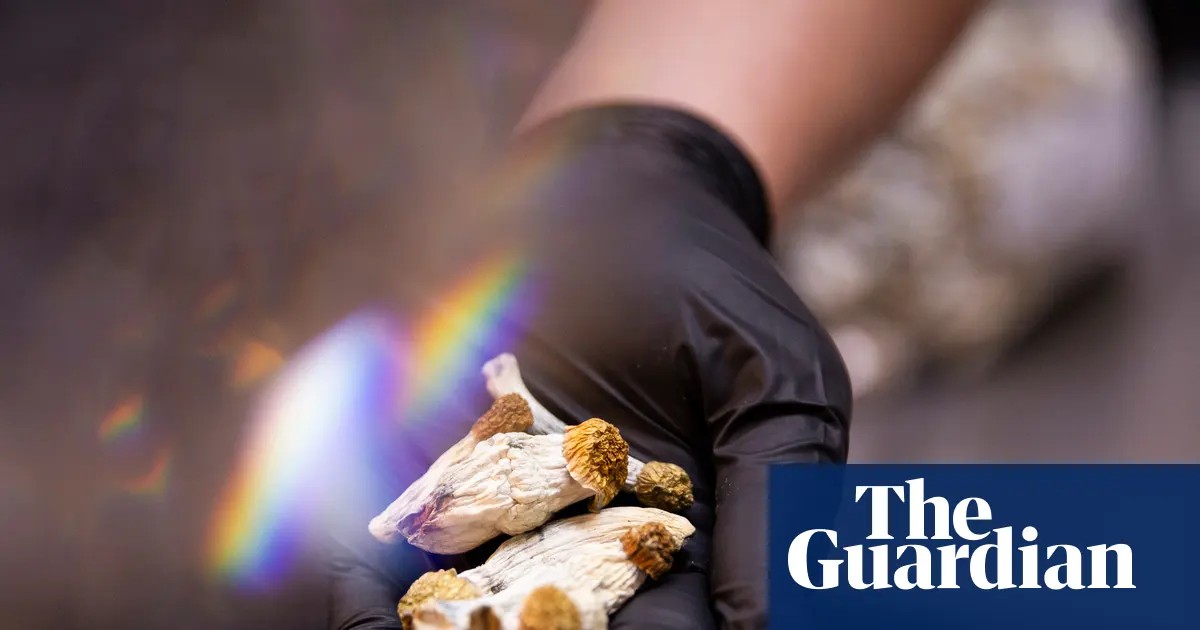
One dose might fix it. That is what a new study suggests regarding cocaine addiction and psilocybin. Published recently in JAMA Network Open the results look promising. Nineteen participants took a single hit of magic mushrooms. Seventeen took diphenhydramine — wait no — a placebo. The antihistamine served as the control. More people in the psilocybin group quit.
They had therapy too. Processing the experience matters. You can’t just pop a pill and walk away.
Dr. Peter Hendricks from the University of Alabama leads this work. He sees an urgent need. Why? There are no FDA-approved drugs for cocaine or methamphetamine addiction. Not one. Meanwhile overdoses are killing Americans by the minute. Production is at record highs. Deaths are climbing.
Hendricks started this line of thinking years ago. He looked at local data in Birmingham. Cocaine use was the strongest predictor of going to jail. Staying out of jail meant staying clean. It hit low-income Black men hardest. A demographic that faces arrest at higher rates for these crimes. White people use more. But Black people get locked up.
Does the mechanism hold water? Some experts say yes. Robin Carhart-Harris says psychedelics boost neuroplasticity. They change how we think. Addiction is about being stuck in rigid loops. Break the loop. You might break the habit.
It’s not like standard meds. Gabi Agin-Liebes from Yale points this out. Most drugs target the same chemical receptors. Nicotine patches give you safer nicotine. Opioid replacements bind to the same spots. Psilocybin? Completely different. It alters consciousness. One session. Within a therapy structure. Not a maintenance drug. You don’t keep taking it.
It’s more like a catalyst.
That single dose shifts perspective. It brings self-compassion. This might matter most for cocaine. Why? Because cocaine withdrawal isn’t physically painful like opioids. It’s psychological. Bad dreams. Agitation. Craving the rush. A mind trapped in a rut. Psilocybin might just kick the rut open.
A commentary in the same journal raised eyebrows. They excluded people with depression or anxiety. That limits the findings. Fair point. But Carhart-Harris counters this. Psilocybin works for those conditions too. They are also ruts. Maybe it’s a Swiss Army knife for the brain.
Here’s the twist that feels important. The majority of participants were Black. Most US psychedelic trials feature white people. Often wealthy. Think Silicon Valley. Think Michael Pollan. Think elite circles.
Agin-Liebes cites a review confirming this bias. Affluent, white, high SES. That’s the norm.
Hendricks changed the game here. Or tried to. They didn’t market it as “come get your trip.” That attracts enthusiasts. People who already believe in the magic. Who might guess their placebo isn’t doing anything because they know what the drug feels like.
No. The ad was blunt. Quit cocaine. That’s it. No psychedelic hype. The result? A sample that looks like actual people in Birmingham with a cocaine problem.
Is the “expectation effect” minimized? Probably.
The results are early. Small. But they scream for a larger trial. Does this change everything? Maybe not everything. But it cracks the door open. For a substance that killed countless people this year that counts for something. We are still waiting.